

Choosing the right flight school is one of the most critical decisions an aspiring aviator will make. A commercial pilot license requires a substantial investment of time, effort, and capital. To ensure your education aligns with your career goals, it is essential to evaluate training organizations thoroughly. Knowing which factors to prioritize can mean the difference between a seamless transition to the airlines and a frustrating, costly delay.
Accreditation and Regulatory Structure
The framework under which an aviation academy operates dictates the structure of your education. Flight schools generally fall under two distinct regulatory categories, each offering unique advantages depending on your learning style.
Structured vs. Flexible Pathways
Structured programs follow a rigid, pre-approved curriculum with strict timelines and phase checks. This environment closely mirrors the training environment of major airlines, making it highly attractive to students who want an accelerated path to a professional career. On the other hand, flexible programs allow students to progress at their own pace, balancing their lessons around external work or family commitments. Prospective students must assess their personal discipline and timeline to choose the model that fits their life.
Quality and Diversity of the Fleet
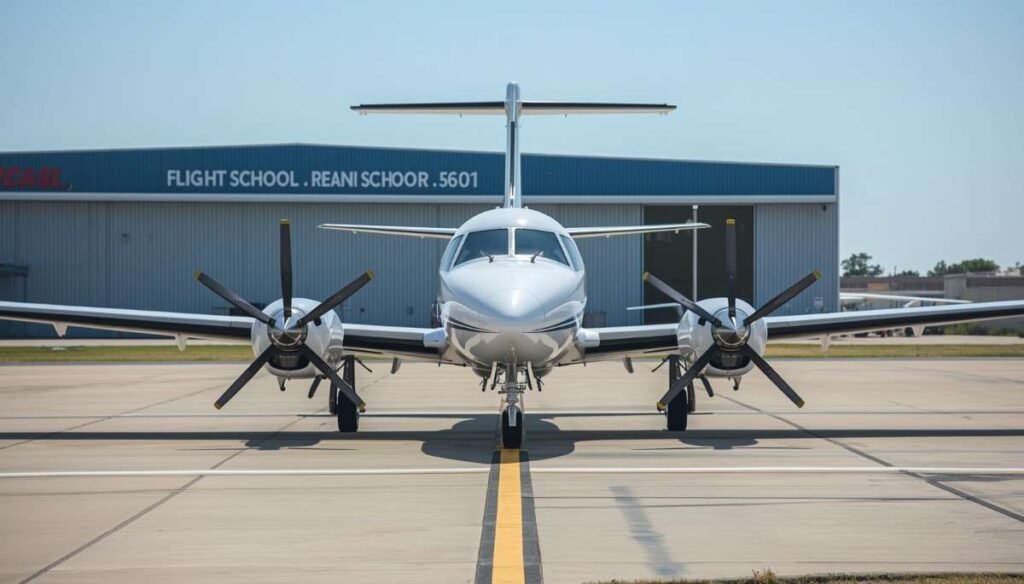
An aviation school is only as reliable as its aircraft. A well-maintained, modern fleet minimizes scheduling disruptions caused by mechanical issues, allowing students to maintain training momentum.
Technological Relevance
Look for programs that utilize aircraft equipped with modern avionics, such as electronic flight displays, reliable communications and advanced navigation systems. Training on technology that mirrors contemporary regional jets and cargo aircraft ensures a smoother transition into a professional cockpit.
Multi-Engine Availability
To work for a commercial airline, gaining experience in aircraft with more than one engine is a necessity. For students seeking specialized options, such as commercial multi-engine training in Dallas, ensuring the academy owns a sufficient number of twin-engine aircraft is vital. A shortage of these complex airplanes can lead to bottlenecks, delaying your graduation and entry into the job market.
Instructor Experience and Availability
The quality of your education depends heavily on the individuals guiding you through the skies. Certified flight instructors are responsible for shaping your foundational habits, safety mindsets, and decision-making skills.
Instructor-to-Student Ratios
A school might boast impressive facilities, but if there are too many students assigned to each instructor, your progress will stall. High student volume often leads to scheduling conflicts, meaning you might only fly once or twice a week instead of the optimal four to five times. Ask about the active roster of instructors to ensure you will receive dedicated, consistent mentorship.
Safety Culture and Maintenance Practices
Safety should be the foundational pillar of any aviation organization. A reputable program maintains transparent safety records and fosters an environment where students feel comfortable reporting safety concerns without fear of reprimand.
On-Site Maintenance Facilities
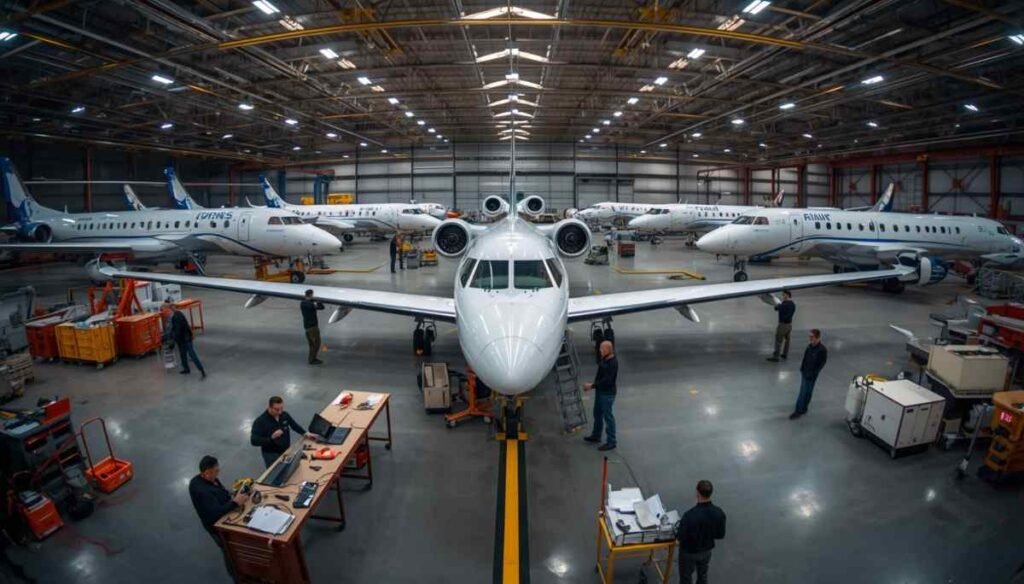
Flight schools with dedicated, on-site maintenance teams can address mechanical discrepancies immediately. This capability keeps planes in the air and ensures that every aircraft undergoes rigorous, routine inspections that exceed standard regulatory requirements. During your research, tour the maintenance hangars to observe the cleanliness and organization of the technical staff.
Career Pathways and Airline Partnerships
For many, the ultimate goal of commercial training is a seat at a major or regional airline. The top training programs actively help students bridge the gap between graduation and employment.
Hiring Agreements
Many elite academies establish direct partnerships with regional carriers, charter companies, or corporate flight departments. These relationships often lead to guaranteed interviews, conditional hiring agreements, or fast-track pipelines. Once a student reaches the required flight hour milestones. Opting for a school with a proven track record of alumni placement provides a distinct competitive edge in the aviation industry.