
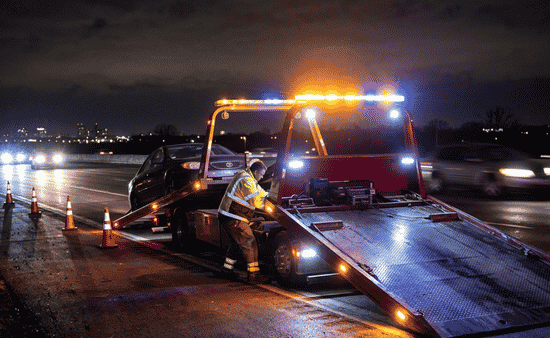
Tow truck drivers often work in difficult and unpredictable conditions. They may respond to disabled vehicles on dark highways, narrow roads, busy intersections, or poorly lit parking areas. At night, these situations become more dangerous because approaching drivers may not immediately notice a stopped tow truck or workers standing near the roadway. Warning lights help make towing vehicles easier to see from a distance.
A properly installed tow truck light bar alerts motorists that there is a service vehicle ahead and that they should slow down, move over, or prepare for changing traffic conditions. These lights create a visible safety zone around the tow truck, giving drivers more time to react. Nighttime towing requires careful planning, proper equipment, and constant awareness. Strong warning lights support these efforts by helping tow operators remain visible while they assist stranded motorists.
Warning Drivers About Roadside Activity
One of the main purposes of warning lights is to alert approaching drivers that unusual activity is happening near the road. A tow truck may be parked on the shoulder, partly blocking a lane, or positioned near a damaged vehicle. Without bright warning lights, motorists may not recognize the danger until they are too close. Flashing lights quickly attract attention, especially in dark conditions.
Their movement and brightness are easier to notice than standard vehicle lights. When drivers see them, they understand that they need to reduce their speed and approach the area carefully. Warning light bars are especially useful on highways where vehicles travel at high speeds. The earlier a motorist notices a tow truck, the more time they have to safely change lanes. This extra reaction time can help prevent dangerous roadside collisions.
Making the Tow Truck Easier to See
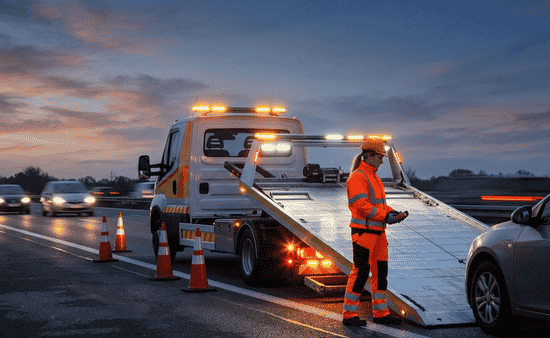
Tow trucks are large vehicles, but their size does not always make them easy to see at night. Darkness, heavy rain, fog, and glare from other headlights can reduce visibility. A dark-colored tow truck parked along an unlit road may be difficult to recognize until a driver gets very close. A tow truck light bar increases the vehicle’s visibility from different directions. Depending on the design and placement, the lights may be seen from the front, rear, and sides of the truck.
This wide visibility is important when the tow truck is entering traffic, reversing, turning around, or loading a vehicle. LED warning lights can also provide strong illumination while using less power than some traditional lighting options. Their brightness helps the tow truck stand out against dark surroundings without relying only on headlights or hazard lights.
Protecting Drivers While Loading Vehicles
Loading a disabled vehicle onto a tow truck can take several minutes. During this time, the tow operator may need to walk around the truck, attach chains or straps, inspect the vehicle, and operate towing equipment. These tasks can place the driver close to moving traffic. A bright light bar helps create awareness around the work area.
It tells approaching motorists that a person may be working near the roadway and that extra caution is necessary. For motorists whose vehicles require towing, knowing how to get the best price on last-minute car rentals can help them arrange temporary transportation while their vehicle is being repaired.
Emergency vehicle lights placed around the truck can further improve visibility, particularly when the operator needs to work behind or beside the vehicle. Warning lights do not replace reflective clothing, cones, or safe parking practices. However, they add another important layer of protection. Using several safety measures together gives tow operators a better chance of being seen throughout the loading process.
Supporting Safety During Bad Weather
Nighttime visibility can become even worse during rain, snow, or fog. Wet roads reflect headlights and may create glare that makes it harder to see stopped vehicles. Heavy rain can also reduce a motorist’s ability to identify road hazards from a safe distance. Bright flashing lights can help tow trucks remain noticeable in these challenging conditions.
Certain light patterns are designed to capture attention without blending into surrounding traffic. Properly positioned warning lights can also help drivers understand the location and size of the tow truck. Weather-resistant light bars are important because towing equipment is regularly exposed to moisture, dust, road debris, and changing temperatures. Reliable lighting allows tow drivers to remain visible even when working conditions are far from ideal.
Helping Guide Traffic Around the Scene
Tow truck operators sometimes arrive before other roadside support vehicles. They may need to position their trucks in a way that protects a damaged vehicle or creates space for recovery work. Warning lights help guide traffic around the area and show motorists which parts of the road may be unsafe. Different flash patterns can make the truck more noticeable, while directional lights may help indicate where traffic should move.
Drivers can use these visual signals to understand that they should merge, slow down, or avoid a blocked section of the roadway. Clear warning signals are especially valuable near curves, hills, intersections, and construction areas. Motorists may have limited time to react when they cannot see the towing scene from far away. Strong lighting helps communicate the danger before they reach the work zone.
Improving Safety When Entering or Leaving Traffic
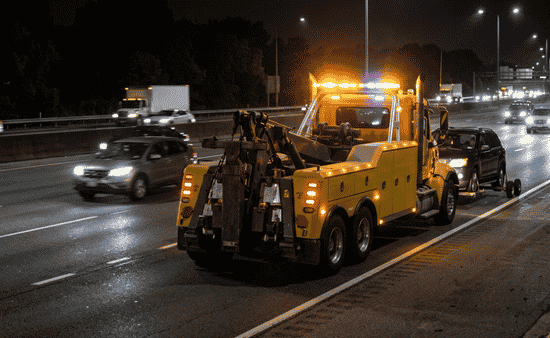
Tow trucks frequently need to pull onto the shoulder, merge into traffic, or leave a roadside scene while carrying another vehicle. These movements can be challenging at night because the truck may accelerate slowly and require more space than a regular vehicle. A visible light bar warns other motorists that the tow truck may be moving at a reduced speed.
It also helps drivers notice the truck when it is pulling away from a dark roadside area. This can reduce sudden braking and unsafe lane changes. Once the towing operation is complete, the driver should use warning lights according to local rules and the needs of the situation. Responsible use ensures that the lights remain an effective safety signal rather than becoming a distraction.
Choosing Reliable Warning Lights
Tow truck warning lights should be bright, durable, and suitable for frequent outdoor use. Operators should consider the size of the light bar, mounting location, visibility angles, flash patterns, and weather resistance. The system should also be compatible with the truck’s electrical setup. Regular inspections are equally important.
Drivers should check that every light is working, clean the lenses, examine wiring, and address loose mounting hardware. Dirt and damage can reduce brightness, making the lights less effective during an emergency. Proper placement also matters. Equipment, towing arms, or loaded vehicles should not block the lights. A well-maintained lighting system provides more dependable protection during every nighttime call.
Warning Lights Are an Essential Safety Tool
Night towing will always involve risks, but the right equipment can make roadside work safer. A tow truck light bar helps approaching motorists notice the truck, recognize roadside activity, and react before reaching the scene. It also protects tow operators while they load vehicles, manage traffic, and work in poor weather. Warning lights are most effective when used with reflective clothing, traffic cones, careful truck positioning, and safe work procedures.
Together, these tools create a more visible and controlled roadside environment. Reliable lighting gives tow drivers greater confidence while helping motorists understand when they need to slow down and move over. Clear visibility can make a major difference when every second of reaction time matters.