

Every remodel starts with the same basic question: what should the new surface actually be made of? The answer depends less on trend and more on how a space is used day to day.
Start With How the Room Functions
Before browsing finishes or colors, it helps to think through how a room actually gets used. A busy kitchen or mudroom sees constant foot traffic, spills, and heavy objects being set down, while a guest bathroom or accent wall faces a much lighter workload. Matching the material to that level of daily wear prevents the common mistake of choosing a surface for its looks alone, only to find it scratches, stains, or wears unevenly within a year or two.
Comparing Tile and Stone at a Glance
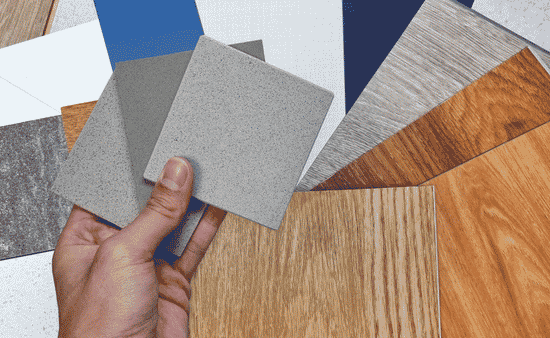
Tile tends to offer more consistency and a wider range of price points, since manufacturing allows for precise color matching and predictable performance across a whole batch. Stone, on the other hand, brings natural variation, no two pieces look exactly alike, which appeals to homeowners who want a one-of-a-kind result. Neither option is inherently better; the right choice comes down to whether a homeowner values uniformity or natural character more in a given space.
Texture and Finish Change the Feel of a Room
The same material can look completely different depending on finish. A honed or matte finish reads as soft and understated, while a polished finish adds brightness and a more formal feel. Textured surfaces also affect how a room feels underfoot and how light bounces around it, so it’s worth requesting samples in more than one finish before committing, since photos rarely capture the difference accurately.
Working With a Style Expert Pays Off
Homeowners researching tile flooring in Foley, AL, often assume they need to have every design decision finalized before reaching out for help, but that’s rarely necessary. A trained style consultant can narrow down dozens of options in a single conversation by asking about existing furniture, lighting, and the overall mood a homeowner wants. That guided process tends to save far more time than sorting through options independently, and it usually leads to a more cohesive result across connected rooms.
Sizing and Layout Matter More Than People Expect
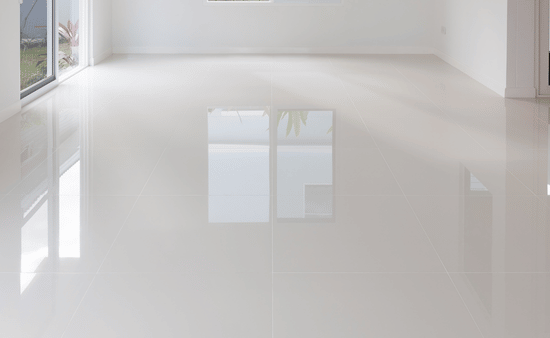
Larger format pieces create a more seamless, expansive look with fewer visible grout lines, which works well in open-concept layouts. Smaller formats, including mosaics, allow for more intricate patterns and are often better suited to curved surfaces, borders, or accent areas. Layout choice, whether a straight grid, a herringbone pattern, or a running bond, also changes how a space reads, so it’s worth discussing early rather than as an afterthought during installation.
Budgeting for the Full Project, Not Just Materials
Material cost is only one part of the overall budget. Installation complexity, especially for intricate patterns or large-format pieces that require precise leveling, can shift the total noticeably. Underlayment, trim, and edge details add up too, and skipping these in early budgeting is one of the most common reasons remodel costs come in higher than expected. Planning game-changing renovation ideas alongside your flooring selection can also improve long-term value and functionality.
Features such as open-concept layouts, upgraded lighting, built-in storage, energy-efficient fixtures, or modern kitchen and bathroom enhancements can complement new flooring and create a more cohesive, attractive living space. Coordinating these improvements during the same renovation project often reduces labor costs and minimizes disruption while delivering a more impactful transformation.
Getting Professional Installation Right
Even the best material choice underperforms with a rushed or inexperienced installation. Proper substrate preparation, spacing, and sealing all affect how a floor or wall holds up over years of use, not just how it looks on installation day. Working with an experienced team reduces the risk of issues like uneven surfaces, cracked grout, or premature wear showing up down the line.
Conclusion
A well-chosen surface brings a home together in a way that few other renovation choices can. Taking the time to weigh function, finish, and layout up front makes that outcome far more likely.