

Every property owner loves the thrill of an upcoming construction project. Whether you are remodeling a retail storefront, expanding an office footprint, or reinforcing a manufacturing plant, watching a physical space transform is deeply rewarding. It represents growth, progress, and a fresh financial chapter.
However, anyone who has ever survived a major build knows that the process can quickly become a logistical nightmare if it is managed poorly. Delays happen, material costs fluctuate, and communication can easily break down.
When a project goes off the rails, we often look at the construction crew for answers. Yet, the secret to a smooth build actually happens long before the first hammer swings. Contractors do not want to walk into a chaotic, unvetted environment.
By taking specific, deliberate steps before hiring a crew, you can save thousands of dollars and earn the lifelong respect of your builder. Here are the essential planning steps that every contractor appreciates.
1. Establishing a Definitive and Realistic Scope of Work
The quickest way to derail a construction timeline is to start a project with vague ideas. If you tell a builder you want to “refresh the warehouse floor” without specifying the exact materials, load bearing requirements, or square footage, you are setting yourself up for friction.
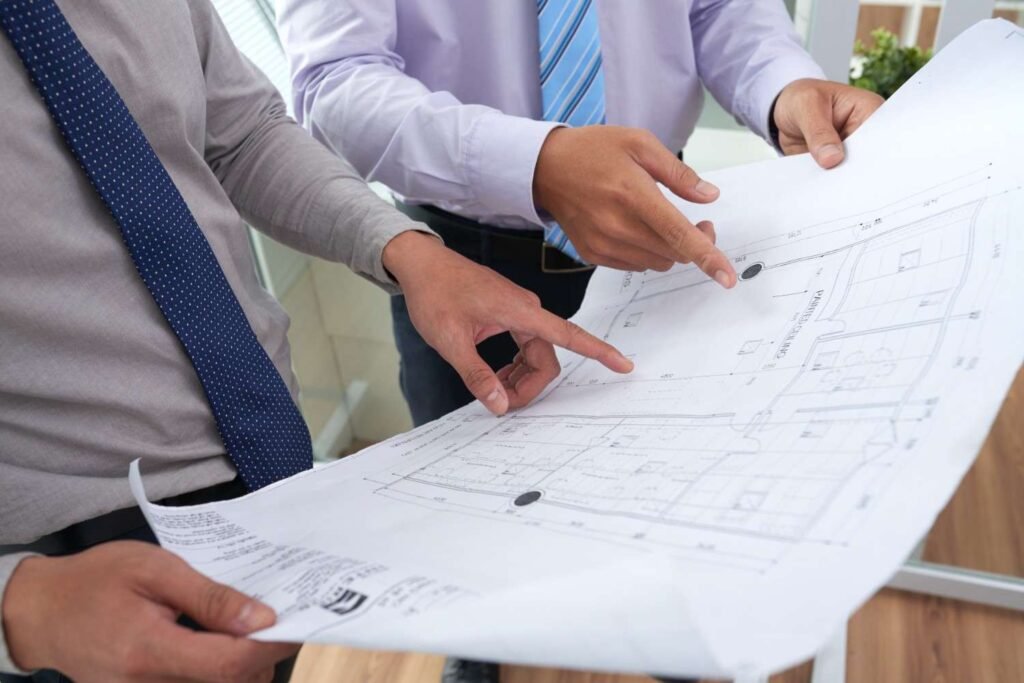
Contractors appreciate clients who put their vision down on paper in precise detail. Take the time to map out your exact expectations, architectural blueprints, and material preferences beforehand. A definitive scope of work allows your builder to generate an accurate estimate, purchase the correct supplies, and eliminate the stressful “scope creep” that delays timelines later on.
2. Setting Aside an Intentional Financial Contingency Fund
No matter how perfectly a project is mapped out on paper, the demolition phase will always uncover unexpected structural variables. Hidden plumbing issues behind walls, outdated electrical wiring, or uneven subfloors are completely invisible until the building is opened up.
If your budget is stretched to the absolute dollar limit from day one, an unexpected $2,000 pipe replacement can halt your entire build. Savvy property owners establish a dedicated financial cushion—typically 15 to 20 percent of the total project estimate—before signing contracts. Knowing that you have a financial shock absorber allows your contractor to fix problems correctly and safely without forcing the project into an indefinite, stressful pause.
3. Aligning Logistics with Proactive Operations and Upkeep
A major structural build requires seamless integration with your property’s ongoing operations. If you are updating a commercial asset, you must determine how the dust, noise, and heavy equipment deliveries will impact your surrounding tenants, loading docks, and daily workflows.
For highly specialized commercial hubs, this coordination requires professional oversight to ensure building codes and tenant safety are maintained throughout the disruption. If you handle large logistics or complex assets, partnering with a premier firm for industrial property management in Salt Lake City or your local industrial sector can streamline these moving parts. Having a professional management framework ensures that staging areas are cleared, zoning permissions are secured, and facility utilities are coordinated perfectly with your contractor’s construction sequence.
4. Securing Necessary Permits and Clearances Beforehand
Contractors are masters of carpentry, engineering, and physical assembly. While they understand local building codes, forcing your builder to wade through municipal bureaucracy to secure basic zoning permits is an unfair drain on their time and project momentum.
Take the initiative to research and secure the necessary permissions from your local city hall or homeowners association early in your timeline. Ensure that parking spaces are reserved for construction vehicles and that utility companies have clearly marked any underground lines. Clearing these administrative hurdles beforehand ensures that your crew can arrive on day one and focus entirely on building.
5. Designing a Unified Channel for Clear Communication

A construction site features dozens of moving parts, and miscommunication is the ultimate budget killer. If a contractor receives contradictory design instructions from a business owner, a business partner, and a building manager simultaneously, mistakes are inevitable.
Contractors thrive when they have a single, unified point of contact on the client side. Determine who will handle daily project updates and make executive decisions when field adjustments are required. Establishing an official communication channel—such as a weekly on-site meeting or a dedicated digital dashboard—keeps everyone aligned, reduces friction, and allows your builder to execute tasks with absolute confidence.
Conclusion
A successful construction project is never an accident; it is the natural byproduct of diligent, early preparation. By defining a crystal-clear scope of work, building an honest financial cushion, aligning facility logistics, choosing the right type of home elevator when accessibility is part of the build, managing administrative permissions, and streamlining your team’s communication, you transform a potentially chaotic build into a masterclass in efficiency.
Ultimately, the work you put in before the project starts pays massive dividends in build quality, budget preservation, and peace of mind. Taking the time to respect the planning process protects your physical investment and honors the craftsmanship of the team, bringing your vision to life.