
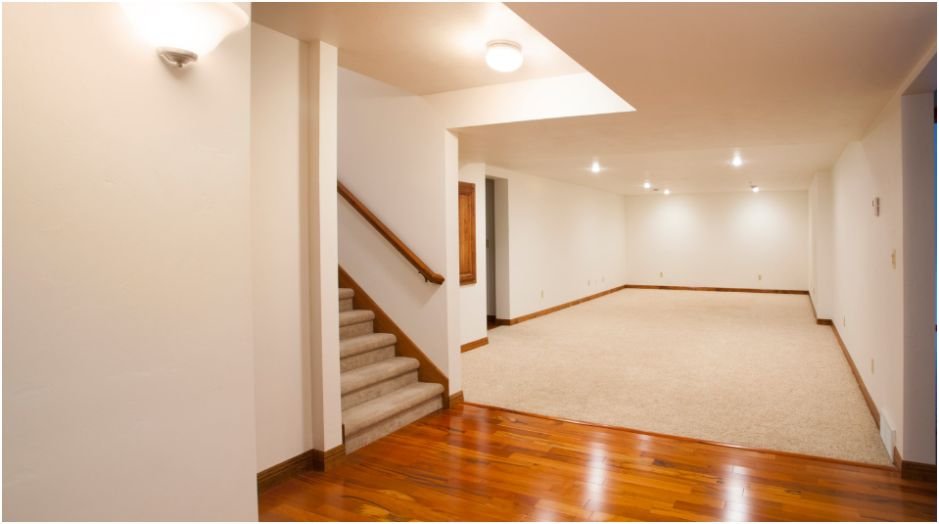
An unused basement offers enormous potential to expand your living space without the need for new construction. With thoughtful planning, it can become a multipurpose area for relaxation, work, or entertainment. From lighting improvements to smart storage solutions, transforming this space can significantly enhance both functionality and home value while adapting to your lifestyle needs.
Strategic Space Planning for Long-Term Functionality
A successful basement transformation begins with clear planning that considers how the space will be used over time. Instead of assigning a single purpose, think in layers. A basement can evolve into a flexible environment that adapts to changing needs, whether that involves family activities, quiet work, or recreational use.
Start by dividing the area into functional zones. Even in an open layout, subtle boundaries can define spaces for different activities. Furniture placement, floor textures, and ceiling treatments can help create natural separations without requiring permanent walls. This approach preserves openness while still providing structure.
It is also important to consider traffic flow. Basements often have limited entry and exit points, so ensuring smooth movement between zones prevents congestion and makes the space feel larger than it is. Check out some home office design ideas for any space to create your office at home by careful positioning of larger elements like storage units or seating areas can help guide movement naturally.
Lighting and Ventilation Optimization
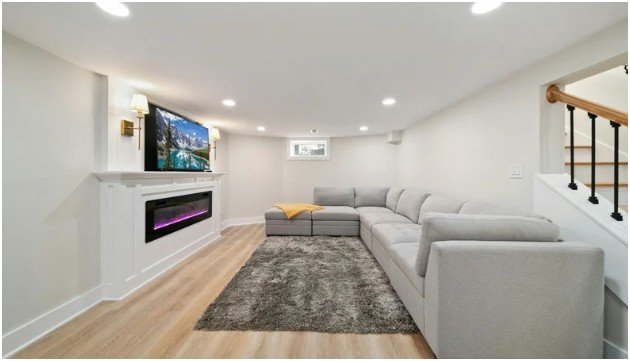
Basements typically suffer from limited natural light, which can make them feel enclosed or uninviting. Improving lighting design is one of the most impactful upgrades. Layered lighting—combining ambient, task, and accent sources—can dramatically shift the mood and usability of the space.
Light-colored surfaces and reflective finishes also help distribute illumination more effectively. Walls, ceilings, and flooring choices should be selected with brightness in mind, reducing the heavy or closed-in feeling that basements often have.
Ventilation is equally important for comfort and air quality. Proper airflow prevents humidity buildup and keeps the environment fresh. Strategic placement of air circulation points and moisture-resistant materials ensures long-term durability. A well-ventilated basement feels more like a natural extension of the home rather than a separate underground area.
Multi-Functional Living Zones for Everyday Use

Creating multiple functional areas within a basement increases its usefulness without requiring expansion. One corner can serve as a relaxation nook, while another becomes a productive workspace or creative studio. The key is adaptability—spaces should be easy to rearrange as needs evolve.
Flexible furniture plays a major role in this setup. Foldable tables, modular seating, and mobile storage units allow quick transitions between activities. This flexibility ensures that the basement remains relevant even as household routines change.
In some homes, this flexibility extends to specialized recreational setups. For example, a dedicated area can be designed for immersive entertainment experiences, such as a golf simulator home setup, blending leisure with physical activity in a controlled indoor environment. This type of zoning shows how versatile basement spaces can become when planned with intention.
Storage and Organization Systems That Reduce Clutter
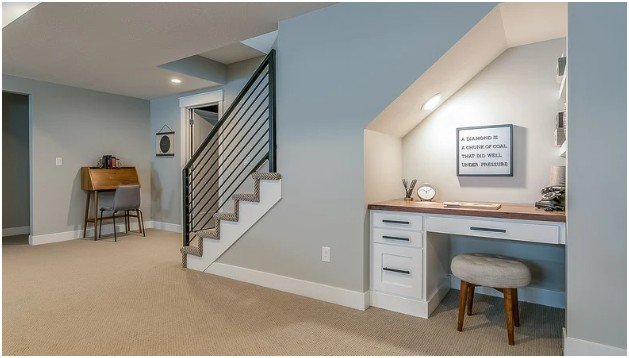
Efficient storage is essential in basement design, especially when the goal is to maintain an open and functional layout. Without proper organization, even large basements can quickly feel cramped and chaotic. Built-in shelving, under-stair compartments, and wall-mounted systems help maximize vertical and hidden space.
A good strategy is to categorize storage based on frequency of use. Items used regularly should remain easily accessible, while seasonal or rarely used items can be placed in higher or deeper storage areas. This reduces unnecessary clutter and keeps the space practical for daily use.
Clear labeling and structured organization systems also contribute to long-term usability. When everything has a designated place, maintaining order becomes significantly easier, even in high-traffic multi-purpose environments.
Entertainment and Wellness Conversion Possibilities
Basements are ideal for creating dedicated entertainment or wellness areas due to their separation from the main living zones. This separation allows for immersive experiences without disrupting the rest of the household. Whether designed for relaxation, fitness, or recreation, the space can be customized to suit personal preferences.
Get your home ready for the holidays and for entertainment, consider sound-controlled environments where acoustics are managed to enhance the experience. Soft furnishings, wall treatments, and flooring choices can all influence sound quality and comfort. This makes the basement suitable for gatherings, media viewing, or interactive activities.
On the wellness side, basements can be transformed into calming retreats. Incorporating elements such as soft lighting, natural textures, and open floor space can support meditation, stretching, or light exercise routines. The key is to maintain balance between functionality and comfort, ensuring the space encourages regular use rather than occasional visits.
Conclusion
An unused basement holds far more potential than simple storage when approached with thoughtful design and planning. By focusing on layout, lighting, ventilation, and flexible functionality, it can become a valuable extension of the home. Whether used for productivity, relaxation, or recreation, the right improvements can completely redefine how the space is experienced. With the right vision, even the most overlooked basement can evolve into a highly functional and inviting part of everyday living.