
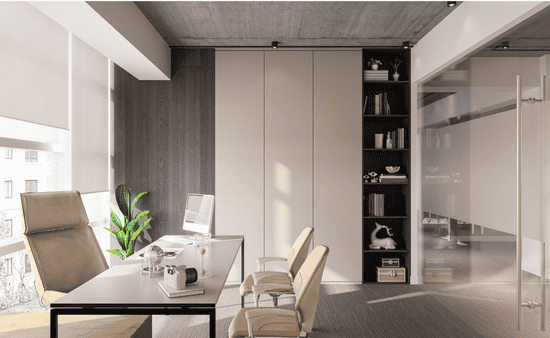
Creating a home office is no longer just about finding a corner for a laptop; it is a strategic endeavor to build an environment that fosters creativity, focus, and long-term well-being. Whether you are working with a sprawling spare room or a tiny alcove, a thoughtfully designed workspace can significantly improve your productivity and work-life balance. By balancing functionality with personal style, you can transform any area into a professional haven.
Prioritizing Purposeful Layouts and Ergonomics
The foundation of any successful home office is a layout that aligns with your specific workflow. Before selecting furniture, evaluate your daily tasks—do you spend most of your time in virtual meetings, or do you need a large surface for creative projects?. For those who require intense focus, a minimalist desk with ample storage keeps essentials within reach while reducing mental clutter.
Ergonomics should never be an afterthought, as comfort directly impacts your energy levels. Investing in a high-quality chair with lumbar support and adjustable height is essential for preventing back and neck strain during long hours. Pair your seating with a desk at the correct height so your arms rest comfortably and your screen is at eye level. For added flexibility, standing desks or convertible workstations allow you to alternate between sitting and standing, which can boost both health and alertness.
Maximizing Small and Challenging Spaces
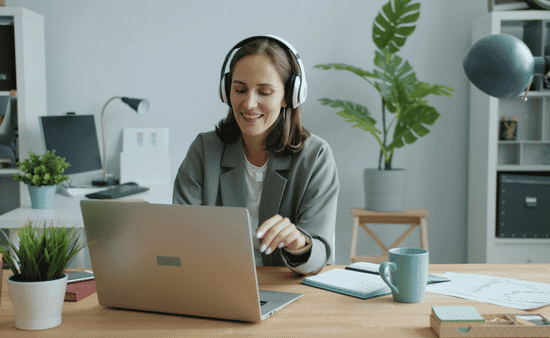
Not everyone has the luxury of a dedicated room, but even the smallest spaces can make a big impact with the right design choices. In compact areas, floating desks or wall-mounted options are excellent because they free up floor space and create a sense of openness. Corner desks are another smart solution, effectively utilizing underused areas without overcrowding the room.
Vertical storage is a game-changer for small offices. By using wall-mounted shelves, pegboards, and hanging organizers, you can keep your desk surface clear while maintaining easy access to tools and supplies. Additionally, using light colors like soft grays, whites, or pastels on the walls and furniture can visually expand a cramped room. Mirrors placed opposite windows are a classic trick to reflect natural light and create an illusion of depth, making a small nook feel significantly more expansive.
Lighting and Atmosphere for Enhanced Focus
Lighting plays a critical role in both mood and performance. Whenever possible, position your desk near a window to take advantage of natural light, which reduces eye strain and helps regulate your circadian rhythm. To prevent glare on your screen, use sheer blinds or adjustable shades.
When natural light is limited, choosing fixtures from a Best Lighting Store can help you find task lamps, desk lights, and adjustable lighting solutions designed to support productivity and comfort. Combining natural and artificial light effectively creates a workspace that is both functional and visually comfortable throughout the day.
For darker hours or windowless spaces, a layered lighting approach is best. Combine ambient lighting for general brightness with a stylish task lamp that offers adjustable brightness and color temperature. Incorporating color thoughtfully can also influence your mindset; calming blues and greens are ideal for concentration, while vibrant accents like yellow can energize collaborative or creative zones.
Organization and Technology Integration
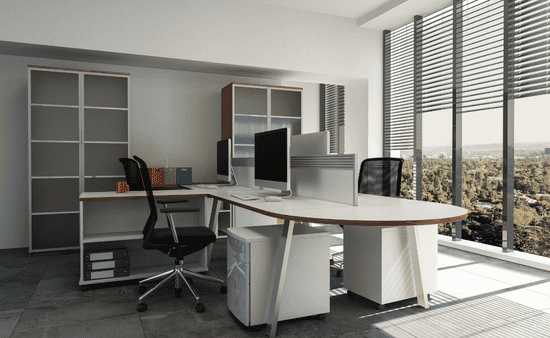
Clutter is the enemy of productivity. Smart storage solutions, such as modular shelving, rolling units, or hidden cabinets, help keep your workspace tidy and efficient. To further minimize physical clutter, consider a paperless workflow by using digital storage systems for documents and receipts.
A modern office must also handle technology seamlessly. Visible cords and gadgets can quickly become overwhelming in small spaces. Use cable management systems, under-desk trays, or wireless chargers to keep your tech tidy. Ensuring you have adequate outlets, surge protectors, and reliable internet is non-negotiable for a smooth, interruption-free workday.
Personalizing with Intention
Finally, your home office should be an inspiring space that reflects your personality. Personal touches make the environment more inviting and can boost job satisfaction. Consider adding indoor plants, such as succulents or snake plants, to improve air quality and add a touch of natural beauty.
Decorate with items that spark joy and motivation—perhaps a framed piece of art, travel mementos, or even a neatly displayed collection of model airplanes on a floating shelf. The key is to balance personalization with professionalism, ensuring your decor adds character without creating visual chaos. By designing with intention, you can create a powerhouse of productivity that you truly enjoy spending time in.