
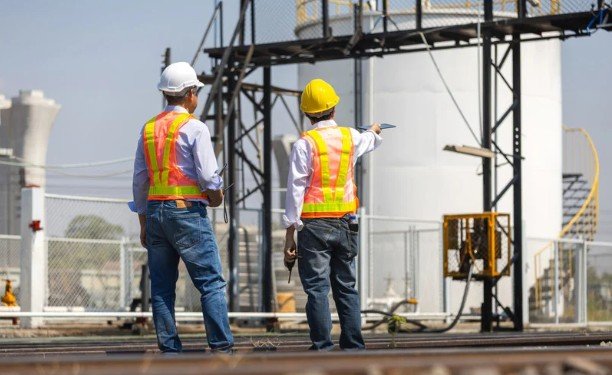
Opening an industrial facility—whether it is a manufacturing plant, a logistics hub, or a processing center—is a massive undertaking that serves as a long-term investment in operational success. While the pressure to begin operations quickly is often high, the most successful facilities are those that prioritize safety and compliance from the very first blueprint. Cutting corners during the planning and setup phases can lead to costly downtime, regulatory fines, and, most importantly, risks to employee well-being.
Foundational Planning and Site Selection
The journey to a functioning facility starts with a clear understanding of its purpose and scope. Different industries have specialized requirements; for example, a food processing plant must prioritize sanitation, while a logistics hub focuses on transportation access. Establishing these goals early informs every subsequent decision, from equipment layout to utility demands.
Choosing the right location is equally critical. Beyond simple logistics, site selection must account for labor availability, zoning regulations, and environmental conditions. A well-chosen site not only reduces operational costs but can also streamline the complex permitting process.
Environmental and Regulatory Compliance

Compliance is not just a legal hurdle; it is a fundamental part of responsible operations. Industrial facilities must navigate multiple layers of regulation, including zoning laws, worker safety standards (OSHA), and environmental mandates.
Environmental compliance is particularly nuanced and varies significantly by region. For instance, facilities in certain areas must strictly manage runoff to prevent local water contamination. In these cases, developing a comprehensive SWPPP plan in Idaho is essential to meet state-specific requirements issued by the Idaho Department of Environmental Quality (DEQ).
These plans must account for local topography, such as high-elevation mountain slopes or flat agricultural valleys, which dictate the types of erosion and sediment controls necessary. Identifying sensitive receiving waters—such as cold-water fisheries—early in the process reduces both compliance risk and potential environmental harm.
Designing for Efficiency and Safety
The physical layout of your facility is where functionality meets engineering. A well-designed floor plan maximizes workflow efficiency while minimizing unnecessary movement. In the same way that the features of startup data room platforms help organize important business information, a smart facility layout keeps people, equipment, and materials moving with clarity and control.
Safety must be integrated into the design phase rather than added as an afterthought. This includes:
- Workflow Mapping: Designing pathways where materials enter, move through production, and exit to minimize handling time and accident risks.
- Integrated Systems: Incorporating proper ventilation, fire safety measures, emergency exits, and structural integrity into the initial construction.
- Automation: Implementing automated systems can reduce human error in repetitive tasks, allowing staff to focus on more strategic, higher-level work.
Building a Safety-Conscious Team

The success of any facility ultimately depends on the people running it. Hiring experienced supervisors and safety-conscious operators is the first step. However, even the most skilled workforce requires continuous training.
Training programs should cover equipment functions, emergency response, and quality standards. It is important to distinguish between general worker training, such as OSHA courses, and specialized certifications. While general training protects workers from immediate worksite hazards, specialized certifications—like those for stormwater management—ensure that personnel can oversee environmental risk management and documentation. Investing in this knowledge before operations begin protects your investment in both personnel and infrastructure.
Operational Excellence and Continuous Improvement
Once the facility is open, the focus shifts to maintaining safety through discipline and data. Establishing a preventive maintenance schedule for all machinery is vital to reduce unexpected breakdowns and extend equipment lifespan.
Modern facilities leverage data-driven decision-making by tracking key performance indicators (KPIs) such as production output, energy usage, and defect rates. Using facility management software provides real-time insights that help managers identify bottlenecks and refine operational strategies.
Conclusion
Operating an industrial facility efficiently requires a careful balance of safety, maintenance, and workflow optimization. By prioritizing regulatory compliance, investing in a well-trained team, and designing for scalability, facility managers can gain a significant competitive edge. The industrial edge comes from foresight and the commitment to operate not just quickly, but smartly and safely.