

In the contemporary business environment, organisations continuously seek innovative approaches to optimise their workforce management strategies. One of the most compelling advancements in this field is the adoption of HR analytics. This data-driven methodology enables companies to make more informed decisions concerning their human resources, ultimately enhancing productivity, employee satisfaction, and organisational performance.
Understanding HR Analytics
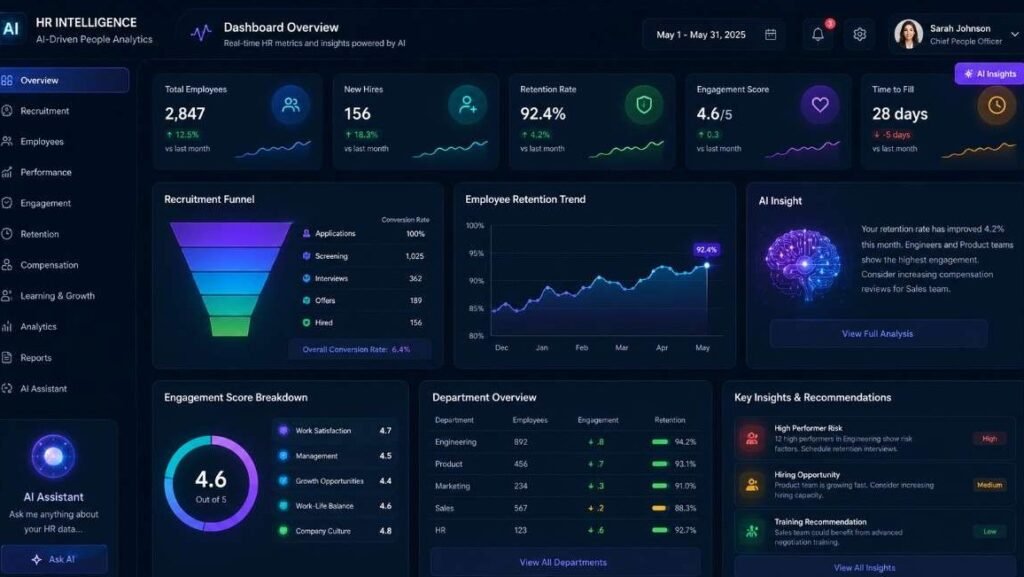
HR analytics refers to the systematic collection, analysis, and interpretation of workforce data to improve human resource practices. Unlike traditional HR methods that rely primarily on experience or intuition, HR analytics utilises statistical tools and technological platforms to provide evidence-based insights. This shift allows organisations to anticipate workforce trends, identify potential challenges, and make proactive decisions.
The Role of Data in Workforce Management
Data is the cornerstone of effective workforce management like choosing the right business account. Through the integration of disparate HR systems and the utilisation of advanced analytics software, companies can aggregate vast amounts of employee data. This data ranges from recruitment metrics and employee engagement scores to performance indicators and turnover rates. The analytical process transforms raw data into actionable insights crucial for strategic planning.
Improving Recruitment and Talent Acquisition

One significant application of HR analytics is in recruitment. By analysing historical hiring data and market trends, organisations can identify the most effective recruitment channels, predict candidate success, and reduce time-to-hire. This enhances the company’s ability to attract high-quality talent, reducing both cost and effort while improving overall hiring outcomes.
Enhancing Employee Retention Strategies
Employee retention is critical for maintaining organisational stability and reducing costs associated with turnover. HR analytics supports the identification of factors contributing to employee dissatisfaction or disengagement. Through predictive models, managers can anticipate which employees might be at risk of leaving and implement targeted interventions to improve retention.
Performance Management Optimisation
HR analytics also plays a vital role in refining performance management processes. By evaluating employee productivity metrics and feedback, organisations can better understand workforce capabilities and areas requiring development. This facilitates the creation of tailored training programmes and the alignment of individual goals with organisational objectives.
Benefits of Implementing HR Analytics
The adoption of HR analytics offers multiple benefits. Primarily, it empowers HR professionals to make data-driven decisions rather than relying on subjective judgment. This objective approach can lead to more equitable and effective workforce policies and practices.
Furthermore, HR analytics enhances strategic workforce planning. By forecasting future talent needs and potential skills gaps, organisations can align recruitment, development, and retention efforts with long-term business goals. This foresight mitigates risks associated with workforce shortages or surpluses.
Another critical benefit is improved employee experience. Through detailed analysis of engagement survey results and feedback mechanisms, HR teams can pinpoint areas where the work environment or job roles may be improved, thereby increasing job satisfaction and productivity.
Challenges in HR Analytics Implementation
Despite the advantages, implementing HR analytics does present challenges. Data quality and integration issues often arise, as HR data may be scattered across multiple systems or inconsistent. Overcoming these obstacles requires careful planning and investment in appropriate technology platforms.
There is also the matter of organisational culture. Some companies may resist adopting an analytical approach to HR, preferring traditional methods. To facilitate successful implementation, it is essential to ensure adequate training and to demonstrate the value of data-driven decision-making to HR professionals and management alike.
Future Trends in HR Analytics
The future of workforce management will increasingly be shaped by advances in HR analytics. Emerging technologies such as artificial intelligence and machine learning are expected to enhance predictive capabilities, allowing organisations to make more accurate forecasts regarding employee behaviour, skills requirements, and market dynamics.
Additionally, the integration of HR analytics with broader business intelligence platforms will provide HR teams with a more holistic view of organisational performance. This integration will support more strategic alignment between human resource activities and overall business objectives.
Leveraging HR Analytics for Organisational Success
To maximise the benefits of HR analytics, organisations must adopt a strategic approach. This includes selecting appropriate analytics tools, ensuring data governance and integrity, and fostering a culture that values data-driven insights. Effective communication between HR teams and other business units is also essential for translating analytical findings into meaningful actions.
Leadership plays a critical role in championing HR analytics initiatives. By supporting investments in technology and talent, senior management can ensure that the organisation utilises analytics to its full potential, driving sustainable growth and competitive advantage.
Conclusion
HR analytics represents a transformative development in workforce management. By harnessing data and analytical techniques, organisations can make more informed decisions, enhance employee experiences, and achieve strategic objectives. As businesses continue to face increasingly complex challenges, the application of HR analytics will become indispensable for effective human resource management.
Organisations interested in adopting this approach can benefit from resources and expertise provided by specialised platforms such as HR analytics, which offer tools and insights to successfully implement and leverage analytics in human resource functions.