
Choosing the right business bank account is a critical financial decision. A well-chosen account can help you manage cash flow, track expenses, and streamline daily operations. Whether you’re launching a new venture or growing an existing one, the right banking solution can pave the way for long-term success and financial stability.
Many entrepreneurs seek accounts that are user-friendly, affordable, and tailored to their specific needs, like free business checking. Understanding which features to prioritize and how to compare account types will help you make a confident decision that supports both growth and efficiency.
Why a Business Bank Account Is Essential for Your Company
A dedicated business bank account separates your personal and business finances, simplifying record-keeping and tax preparation. This separation helps you track income, monitor expenses, and manage your budget more effectively, while also presenting a professional image to clients and vendors.
Business accounts often include tools like online banking, mobile deposits, and payment processing that save time and improve financial management. A separate account also protects your personal assets and simplifies financial reporting, helping you build a strong foundation for responsible money management.
Understanding Different Types of Business Bank Accounts

Business bank accounts come in several forms, each designed to serve specific financial needs. Choosing the right type depends on how your company operates and manages transactions, alongside money management tips that help optimize cash flow and financial decision-making.
Business Checking Accounts
Business checking accounts are the most common option for daily financial activity. They allow companies to deposit revenue, pay bills, and manage payroll. Many business owners prefer checking accounts because they provide easy access to funds and flexible transaction options.
Business Savings Accounts
Savings accounts help businesses set aside funds for future expenses, emergencies, or long-term investments. These accounts typically earn interest and encourage responsible financial planning. Maintaining a savings reserve helps businesses handle unexpected costs without disrupting operations.
Merchant and Payment Accounts
Companies that accept credit card or digital payments often use merchant accounts to process transactions securely. These accounts support customer convenience and help businesses maintain steady cash flow. Understanding these account types helps business owners choose a banking solution that aligns with their operational goals.
Key Features to Look for in a Business Bank Account
Selecting the right account involves evaluating several important features. These factors influence convenience, cost, and overall financial performance.
Low or No Monthly Fees
Many businesses prefer accounts with minimal fees to reduce operating costs. Options such as free business checking in Lehi can help companies manage expenses more efficiently, especially during the early stages of growth. Lower fees allow businesses to allocate more resources toward development and expansion.
Online and Mobile Banking Access
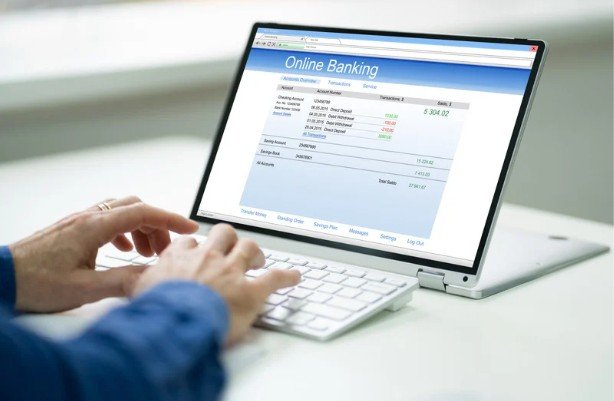
Digital banking tools provide convenience and flexibility for business owners who need to manage finances on the go. Online access allows users to monitor balances, transfer funds, and review transactions from anywhere. Mobile apps often include features such as remote deposit and real-time notifications.
Transaction Limits and Flexibility
Different accounts may have limits on the number of transactions allowed each month. Businesses with high transaction volumes should select accounts that support frequent deposits and withdrawals without additional charges. Choosing an account with flexible limits helps avoid unnecessary fees. Evaluating these features ensures that the account supports daily operations and financial efficiency.
Considering Your Business Size and Financial Needs
Every business is different, so financial needs vary by company size and industry. A small startup might prioritize low fees and simple banking tools, whereas a larger company may need advanced financial services and higher transaction limits. Consider factors like your monthly revenue, number of employees, and projected growth.
If you plan to expand, look for an account with scalable services and additional financial support. Planning ahead can help you avoid the hassle of switching accounts later. Understanding your financial needs will help you choose an account that supports both your current operations and future growth.
The Importance of Customer Support and Local Accessibility

Reliable customer support is crucial when choosing a business bank account. Businesses often face urgent financial questions or technical issues that require prompt assistance. Local accessibility is also beneficial, especially for companies that handle cash or need in-person services. A nearby branch allows owners to deposit funds, meet with advisors, and get personalized guidance. Strong support and local access create a positive banking experience and build long-term trust.
How the Right Account Supports Business Growth
A business bank account does more than manage transactions; it supports financial planning, budgeting, and long-term stability. Maintaining organized finances helps businesses handle challenges and seize new opportunities. Efficient banking systems allow companies to track spending, monitor cash flow, and identify areas for improvement.
Access to reliable financial tools also simplifies payroll and vendor payments, contributing to smoother operations. Choosing the right account helps businesses stay focused on growth, customer satisfaction, and emergency fund planning to ensure financial stability during unexpected challenges.
Steps to Take Before Opening a Business Bank Account
Preparing the necessary information in advance makes the account setup process faster and easier. Business owners should gather key documents and review their financial goals before selecting an account.
Common requirements may include:
- Business registration documents
- Identification for owners or authorized signers
- Employer identification or tax identification number
- Business license or permits
- Initial deposit funds
Taking time to organize these documents ensures a smooth application process and helps businesses begin operations without delays.
Conclusion
Choosing the right business bank account is a crucial step in building a successful company. By carefully evaluating features, fees, and support services, business owners can make informed financial decisions. A reliable account simplifies money management and supports daily operations.
When searching for options like free business checking, prioritize a solution that balances affordability with convenience and long-term flexibility. A dependable bank account provides the foundation for financial stability and future growth.