

The commercial real estate sector is undergoing a massive digital transformation. Historically, buildings were viewed simply as physical structures made of concrete, glass, and steel. Today, property technology, widely known as PropTech, has turned modern buildings into complex, data-driven ecosystems.
For these technologies to function properly, they require a robust digital foundation.
Traditional methods of installing isolated, proprietary networks for every individual tenant or service are no longer sustainable. Instead, shared commercial building infrastructure has emerged as the definitive future of property design.
By consolidating hardware, cabling, and spectrum management into a single collaborative network, landlords can reduce costs, improve connectivity, and significantly increase long-term property value.
The Flaws of Legacy Isolated Systems
In older property management models, telecommunications installation was treated as a fragmented, secondary task. Each service provider or large tenant would pull their own separate fiber lines, install independent routers, and mount proprietary antennas inside the building utility closets. This chaotic methodology created a massive tangle of redundant hardware.
This fragmentation leads to two major operational problems: physical clutter and radio signal interference. Telecom risers quickly become overcrowded, making it difficult for maintenance teams to troubleshoot network issues.
More importantly, when multiple uncoordinated wireless systems operate in close proximity, their signals overlap and degrade overall network performance. Tenants experience dropped calls and slow data speeds simply because the building systems are actively fighting each other for wireless dominance.
The Financial Benefits of Consolidating Hardware
Transitioning to a shared infrastructure model changes the financial equation for real estate developers and landlords. Building a single, unified digital pathway during the initial construction phase reduces upfront capital expenditures substantially. Rather than paying for multiple redundant installations, a developer invests in a high-capacity backbone capable of supporting all future property requirements.
This approach lowers ongoing operational costs as well. Maintenance teams only need to monitor and service one centralized framework rather than navigating dozens of scattered networks.
Furthermore, shared infrastructure minimizes energy consumption. Running a unified system requires far less power than maintaining separate, independent servers and cooling equipment for multiple service vendors, directly supporting corporate sustainability goals.
Enhancing Tenant Satisfaction and Adaptability
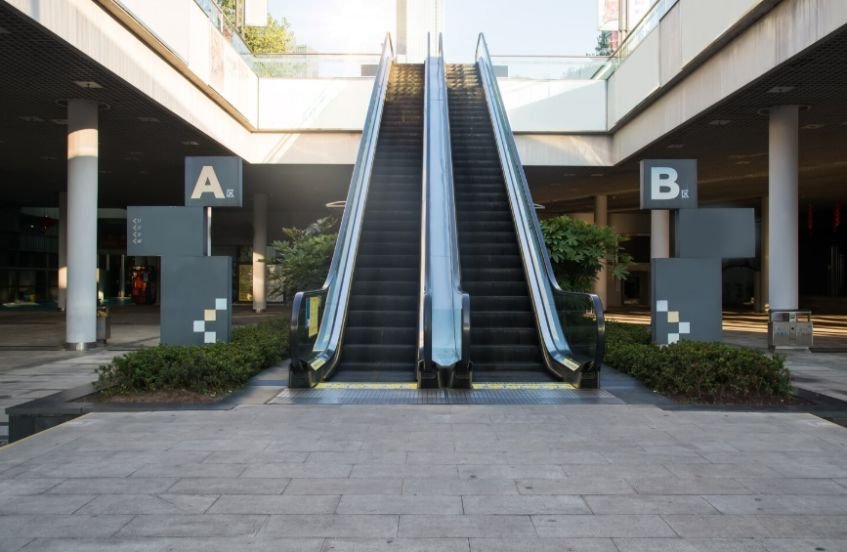
Modern commercial tenants demand seamless, enterprise-grade connectivity the moment they sign a lease. They expect robust coverage in elevators, underground parking garages, and interior conference rooms where cellular signals historically fail. A shared network model allows landlords to deliver this high level of service across the entire footprint of the property.
It also supports flexible workplace layouts inspired by modern home office design ideas for any space, enabling businesses to create connected work areas that adapt to changing team needs.
Instead of waiting weeks for a specific provider to hook up a new office, a tenant can connect instantly to the existing building framework. This agility makes a property far more attractive to premium corporate clients.
When a business expands or reorganizes its office layout, the shared network easily scales to meet the new demands without requiring invasive and expensive structural rewiring projects.
Bridging the Indoor Signal Gap
Modern construction regulations require energy-efficient building materials, such as low-emission glass and heavy insulation. While these materials are excellent for environmental sustainability, they are notorious for blocking external cellular frequencies. To overcome this indoor signal blockage, properties must generate and distribute cellular connectivity from within the building itself.
Integrating a shared neutral host das allows a single interior antenna array to transmit signals for all major telecommunications providers simultaneously. This eliminates the need for every individual carrier to install separate internal hardware.
Occupants enjoy flawless mobile coverage throughout the facility, regardless of which cellular provider they use, effectively eliminating dead zones.
Paving the Way for Smart Building Automation
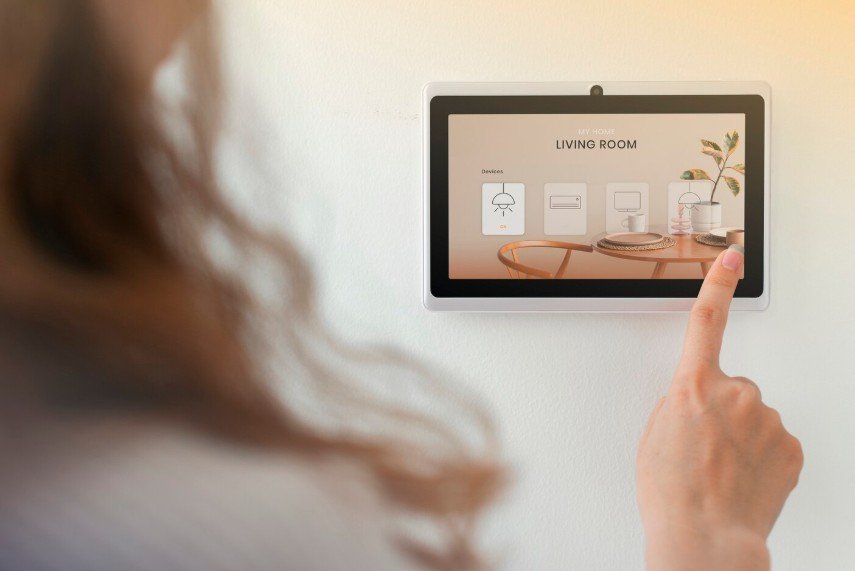
The true potential of PropTech relies on the internet of things, which connects smart thermostats, automated lighting, security systems, and environmental sensors.
This connected approach also supports emerging building technologies, including EV infrastructure shaped by the future of fast charging, as commercial properties prepare for rising power and mobility demands.
These devices constantly gather data to optimize energy usage and improve occupant comfort. However, an Internet of Things deployment requires thousands of data connection points throughout a building.
Attempting to run smart automation on a fragmented network is impossible. A shared infrastructure provides the expansive, reliable foundation needed to support thousands of smart sensors simultaneously. It ensures that critical building data moves efficiently between the sensors and the central management software without getting bogged down by casual user internet traffic.