
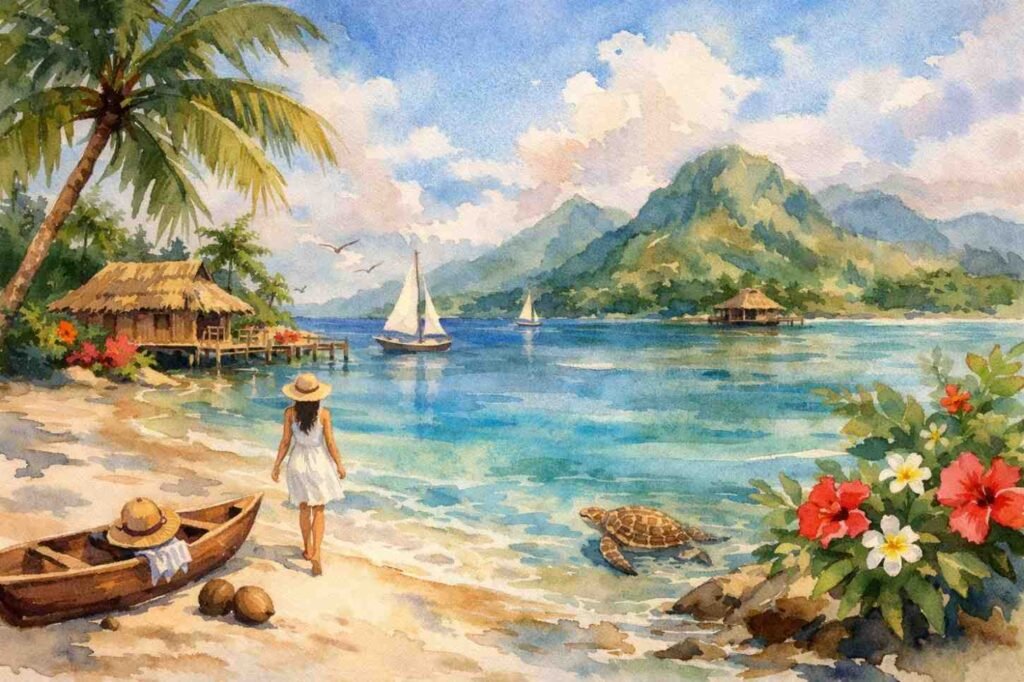
There is a distinct magic to coastal environments that stays with you long after your shoes have been cleared of sand. It is found in the fluid shift of the tides, the brilliant explosion of tropical flora, and the intense sun that changes the color of the ocean from moment to moment. For centuries, artists have attempted to bottle this unique energy, testing different mediums to see which can truly translate the warmth of island life onto a blank surface.
While oils and acrylics have their place, watercolor stands out as the ultimate artistic language for the coast. Because water is the literal lifeblood of coastal towns, using it as the medium to paint them creates an organic connection between the subject and the canvas. Let’s explore how original watercolor artwork successfully captures the fleeting beauty and radiant light of paradise.
1. Mimicking the Translucency of Tropical Waters
The oceans surrounding tropical islands are famous for their crystalline clarity. When you look out at a shallow reef, you aren’t looking at a solid, heavy block of color; you are seeing layers of light passing through moving fluid, bouncing off white sand below.
Watercolor naturally replicates this physical phenomenon through its transparency. Instead of covering the paper with a thick, opaque shield of pigment, watercolorists layer delicate washes of cerulean, turquoise, and emerald. The white of the paper shines through these translucent layers, giving the painted water a luminous depth that makes it appear as though it is actively reflecting the sun.
2. Masterfully Translating Radiance and Intense Sunlight
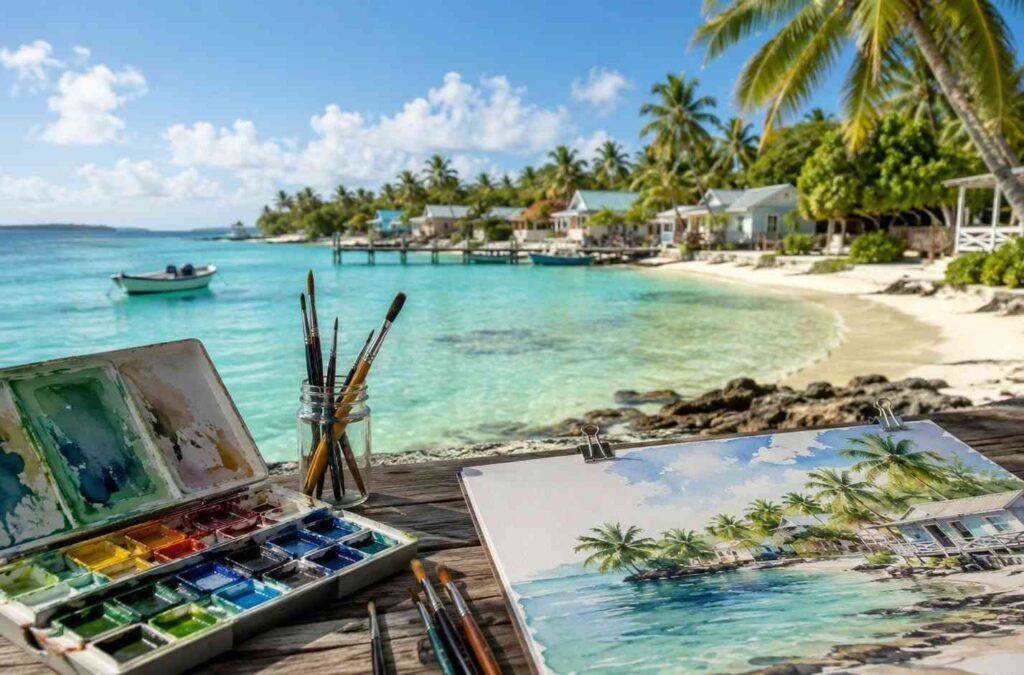
Coastal sunlight is unlike light anywhere else in the world. It is intense, bright, and has a way of washing over buildings and landscapes, creating high-contrast shadows and glowing highlights. Capturing this intense glow requires a medium that thrives on light.
In watercolor painting, artists do not use white paint to create brightness; instead, they strategically leave areas of the heavy paper completely untouched. This technique preserves a pure, brilliant white highlight that mimics the intense glare of a midday sun hitting a metal roof or the crest of a wave. The resulting contrast gives the artwork a sense of warmth and movement that feels alive.
3. Embracing the Fluid and Unpredictable Nature of Island Life
Island life is fundamentally defined by rhythm, movement, and a relaxed lack of rigid structure. The wind shifts, sudden afternoon rainstorms roll through, and the palms sway in unpredictable patterns. A stiff, overly controlled painting style often fails to capture this relaxed vibe.
Watercolor is a living, shifting medium. When wet pigment hits damp paper, it flows, bleeds, and blends in ways that the artist can guide but never entirely control. This beautiful spontaneity mirrors the natural environment itself. The soft edges and blended gradients created by running water perfectly communicate the hazy humidity of a tropical afternoon and the gentle, constant rustle of palm fronds.
4. Preserving the Charming Architectural Personality of Coastal Towns
From historic Conch homes to weather-beaten surf shacks, coastal architecture has a distinct personality shaped by the sea. The salt air fades the paint, the bright tropical trim colors pop against sun-bleached wood, and shadows stretch elegantly across deep wrap-around porches.
The delicate touch of watercolor is uniquely suited for detailing these architectural treasures without making them feel clinical or heavy. An expressive, hand-crafted key west painting can effortlessly blend the structured lines of historical architecture with the wild, organic chaos of surrounding bougainvillea and hibiscus. The fluid medium honors the historic charm, capturing the laid-back, historic essence of iconic island communities.
5. Creating an Emotional Portal to Paradise
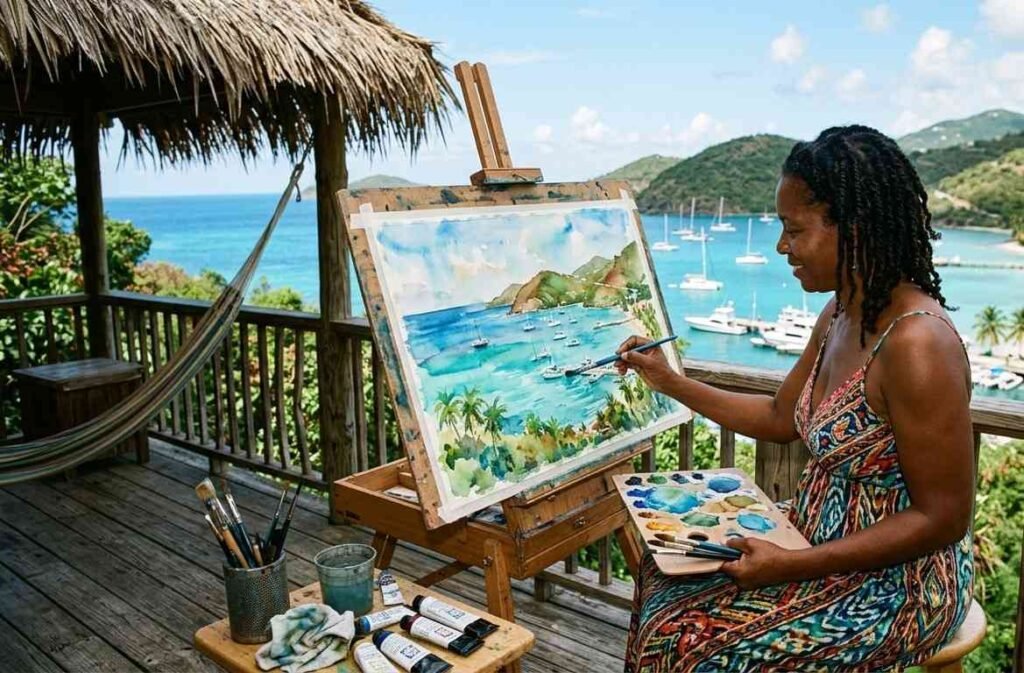
Ultimately, art is about capturing an emotion rather than a literal photographic copy of a place. When people look for coastal artwork, they are searching for a visual anchor that brings back the feeling of warm trade winds, the smell of salt water, and the profound peace of an open horizon.
Because watercolors possess a dreamy, ethereal quality, they evoke memories and nostalgia more intensely than rigid mediums. The soft washes and bright pops of tropical color act as a sensory trigger, instantly transporting the viewer back to their favorite slice of paradise. It changes a blank wall into a refreshing window to the sea, keeping the summer spirit alive all year round.
Conclusion
The coast is defined by transparency, fluid movement, and brilliant light—the exact traits that make watercolor painting so uniquely challenging and beautiful. By allowing water and pigment to mingle freely on the paper, artists can capture the true spirit of island communities and tropical shores. Investing in original coastal art keeps our connection to the natural world intact, serving as a daily reminder of the sun-drenched, peaceful spaces that wait for us at the edge of the ocean.