

Agricultural operations demand continuous adaptation to fluctuating market conditions, varying crop yields, and technological advancements. As an enterprise grows, existing infrastructure frequently becomes a primary bottleneck, restricting operational efficiency and profit margins. Adequate protection for equipment, harvests, and inputs is essential to prevent degradation and financial loss.
When facility enlargement becomes necessary, implementing strategic design choices ensures long-term viability. Exploring specialized regional expertise, such as consulting with experienced metal building contractors in Huntsville, can provide the precise structural engineering required for localized weather patterns and specific load requirements. Beyond the core physical structures, a comprehensive approach involves integrating several key storage methodologies.
The following seven storage solutions provide scalable, secure options for expanding agricultural enterprises.
1. Modular Grain Bins with Advanced Aeration
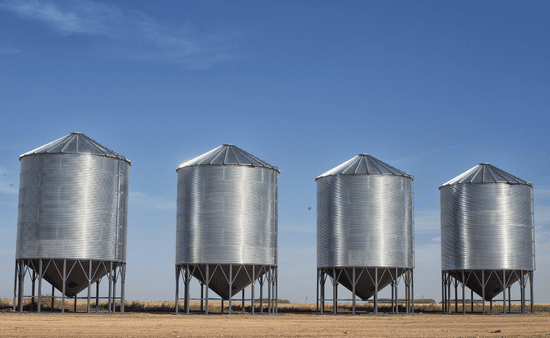
Traditional grain storage often relies on fixed capacities that become obsolete during exceptionally high-yield seasons. Modular grain bins allow for vertical or horizontal expansion without requiring completely new foundational installations. The primary benefit of modern modular units is the integration of automated monitoring systems.
Temperature and moisture sensors embedded within the bin walls communicate real-time data to help prevent spoilage from hot spots or insect infestations. Coupled with high-efficiency aeration fans, these systems allow operators to hold grain for longer periods, enabling sales during peak market windows rather than immediately post-harvest when prices are typically lowest.
2. Clear-Span Steel Machinery Storage
Modern agricultural implements continue to increase in physical size and mechanical complexity. Traditional pole barns with internal support pillars create logistical obstacles and increase the risk of accidental equipment collisions during tight maneuvering.
Clear-span steel buildings eliminate internal pillars entirely, offering unobstructed floor plans that maximize usable square footage. As advanced machinery is revolutionizing agriculture, farmers increasingly need flexible storage solutions that can safely accommodate larger, more sophisticated equipment while supporting efficient daily operations.
These structures provide superior protection against severe weather, pests, and fire compared to traditional wood-frame alternatives. The open layout also allows for flexible interior reconfiguration, facilitating the transition from equipment parking to a dedicated maintenance workshop as seasonal requirements shift.
3. Climate-Controlled Cold Storage Units
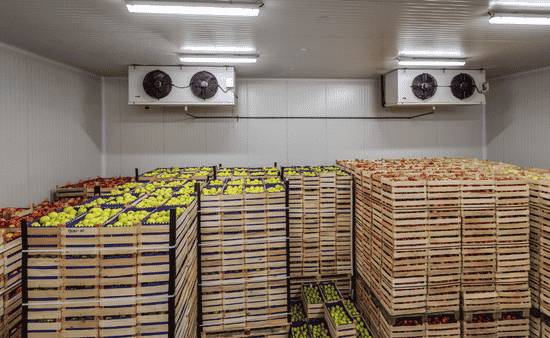
For operations involving specialty crops, fruits, vegetables, or dairy products, standardized ambient storage is insufficient. Expanding into climate-controlled cold storage units preserves product freshness and extends shelf life, directly reducing post-harvest losses.
Utilizing variable-capacity refrigeration and precise humidity controls prevents dehydration and weight loss in stored produce. Implementing zonal cooling within a single structure allows for the simultaneous storage of different crops with distinct temperature and humidity requirements, optimizing energy expenditure and space utilization.
4. Dedicated Chemical and Fertilizer Containment Facilities
As crop production scales upward, the volume of liquid and dry fertilizers, pesticides, and fuel stored on-site increases substantially. Storing these hazardous materials in general-use barns creates severe safety risks and potential regulatory non-compliance. Dedicated containment facilities built with corrosion-resistant materials are vital for risk mitigation.
These buildings should feature specialized secondary containment flooring, such as sloped concrete basins or grated drainage systems, to capture potential chemical spills before they reach local water tables. Proper ventilation systems are equally critical to prevent the buildup of volatile fumes, ensuring a safer environment for workers.
5. Elevated Feed and Seed Silos

Storing seed and animal feed on ground-level pallets exposes valuable inventory to moisture absorption from concrete floors and increased rodent pressure. Gravity-fed, elevated silos offer a highly efficient alternative for bulk material management.
Constructed from heavy-gauge steel or reinforced fiberglass, these silos utilize smooth interior walls to prevent bridging, a condition where clumping material gets stuck and stops flowing. The elevated design allows for direct dispensing into mixing wagons or seed tenders, reducing manual handling labor and minimizing product waste from bag tears or spills.
6. High-Density Pallet Racking and Mezzanines
Expansion does not always necessitate expanding the footprint of a facility outward. When square footage is limited, capitalizing on vertical space within existing high-ceiling structures is a highly economical strategy. High-density pallet racking systems allow for organized, multi-tiered placement of boxed goods, spare parts, and smaller agricultural supplies.
This efficient use of resources aligns with efforts to build a more sustainable commercial farm by maximizing storage capacity, reducing the need for additional construction, and supporting better operational management.
Integrating structural steel mezzanines creates an entire second level of usable floor area above active work zones or equipment parking. This approach effectively doubles the storage capacity of a single building without requiring additional foundation pouring or roof construction.
7. Covered and Ventilated Hay Barns
Hay preservation requires a delicate balance of protection from precipitation and continuous airflow to prevent internal combustion caused by moisture entrapment. Simple tarp coverings are prone to wind damage and trap ground moisture, leading to significant spoilage and nutritional degradation of the forage.
An engineered hay storage barn utilizing open or sloped side walls protects large round or square bales from direct rainfall while encouraging cross-ventilation. Elevating the floor surface with gravel or asphalt further prevents moisture wicking from the soil, ensuring the harvest remains marketable and nutritious throughout the winter months.