
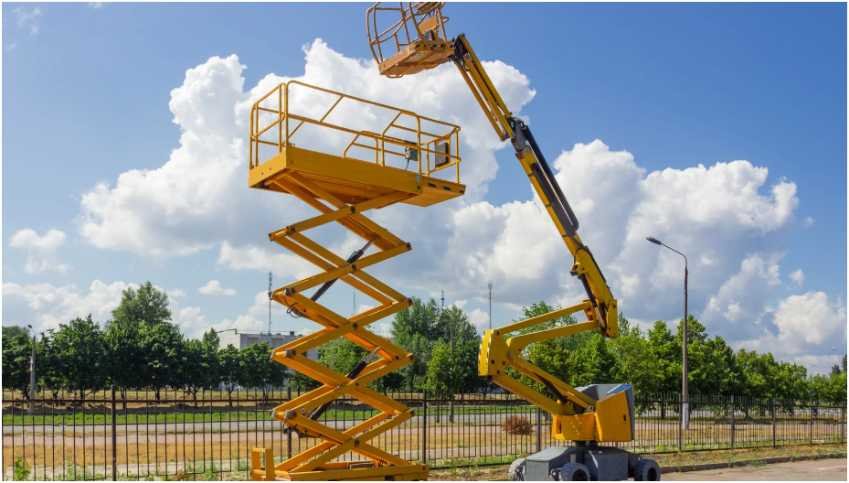
When winter weather arrives, industrial operations face a unique set of mechanical challenges. Among the most vulnerable pieces of equipment on any job site, warehouse, or ski resort during a cold snap are lift systems. Whether you are operating scissor lifts, boom lifts, material handling hoists, or passenger elevators, extreme cold introduces severe physical variables that test the limits of standard mechanical design.
Sub-zero temperatures do not just make operations uncomfortable for workers—they actively alter the molecular behavior of the materials that keep lifts moving safely. From changing fluid viscosities to embrittling high-strength structural steel, winter weather can quietly dismantle equipment reliability. Understanding how freezing temperatures compromise these heavy-duty systems is the first step toward preventing catastrophic field failures and ensuring winter operational safety.
1. The Thickening of Hydraulic Fluid
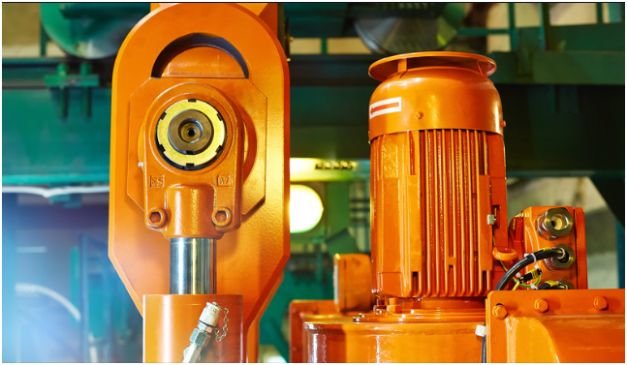
Hydraulic systems rely on the relative incompressibility of fluids to transfer immense force from a pump to an actuator. In temperate conditions, hydraulic oil flows smoothly, maintaining a precise balance between lubrication and pressure transmission. However, as temperatures plummet below freezing, the molecular structure of the oil changes rapidly.
Cold temperatures cause hydraulic fluid to thicken dramatically, a phenomenon known as increased viscosity. When the oil becomes thick and sluggish, the hydraulic pump must work significantly harder to move the fluid through the system. This restriction creates high internal pressure drops, slow or erratic lift responses, and can cause cavitation—a destructive process where air bubbles form and collapse inside the pump, eroding internal metal components from the inside out.
2. Seal Contraction and Fluid Leakage
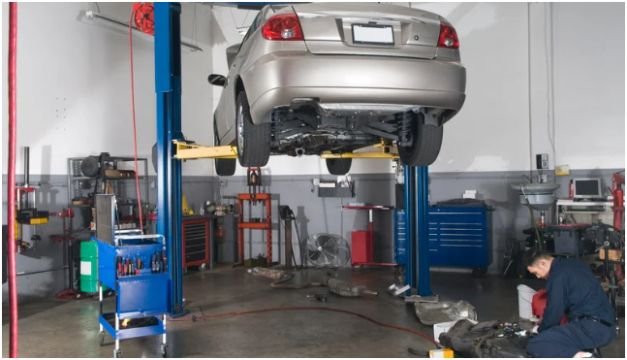
A lift system’s ability to hold a heavy load in mid-air depends entirely on maintaining a perfect pressure seal within its hydraulic cylinders. These seals are typically made from advanced polymers, elastomers, or synthetic rubbers designed to withstand intense friction and high operating pressures.
Unfortunately, extreme cold causes these elastomeric materials to contract and lose their inherent flexibility. When a seal hardens in sub-zero weather, it can no longer conform perfectly to the microscopic imperfections of the moving piston rod. This loss of elasticity creates tiny pathways for high-pressure fluid to escape, resulting in fluid weeping, pressure loss, and dangerous load drifting.
For operations navigating these harsh seasonal shifts, securing professional hydraulic machinery repair in Utah or similar mountainous regions is critical to replacing compromised seals before a total system failure occurs.
3. Structural Steel Embrittlement
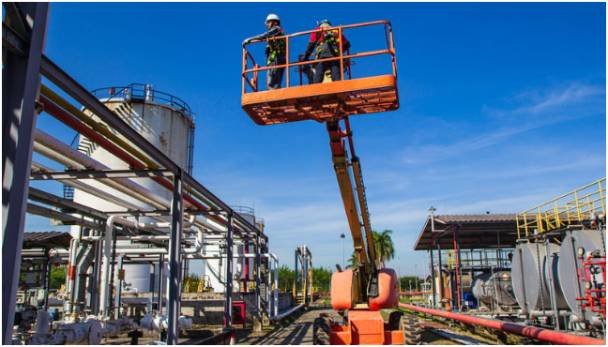
One of the most dangerous and hidden threats posed by sub-zero environments is the alteration of metal properties, specifically structural steel. Most the heavy lifting are constructed from high-strength carbon steel, valued for its load-bearing capacity and ductility under stress. Ductility allows the metal to bend slightly and absorb energy rather than snapping when subjected to sudden impacts or heavy loads.
When steel drops below a specific temperature threshold—known as the ductile-to-brittle transition temperature—it loses its ability to deform elastically. Instead, the metal becomes brittle, behaving more like glass or ceramic. In this fragile state, a lift boom or structural support frame that would easily handle a maximum load in summer can suddenly suffer from catastrophic brittle fracturing when subjected to the shock loads of a sudden winter gust or rapid weight shifting.
4. Electrical and Battery Performance Degradation
Modern lift systems are heavily reliant on complex electrical architectures, sensor arrays, and battery banks. Cold temperatures slow down the chemical reactions inside industrial batteries, drastically reducing their overall capacity and voltage output. A battery operating at zero degrees Fahrenheit may lose up to 50% of its standard runtime compared to its performance at room temperature.
Furthermore, extreme temperature fluctuations between active operation and overnight storage create internal condensation. Moisture freezes inside electrical enclosures, micro-switches, and proximity sensors. When this ice expands, it can physically crack delicate circuit boards or create short circuits that trick the lift’s computer control systems into triggering emergency shutdown codes, stranding operators mid-air.
5. Ice Accumulation and Mechanical Bind
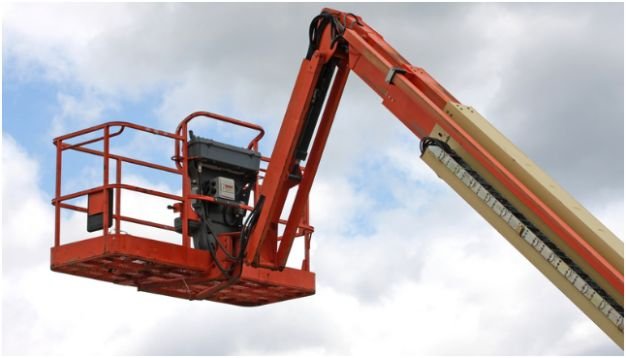
Beyond internal system failures, cold weather presents clear external physical hazards. Freezing rain, snowmelt, and high ambient humidity can form a layer of ice directly over the lift’s exposed mechanical linkages, pulleys, track rollers, and extension chains.
When an operator attempts to extend a boom or raise a platform encrusted with ice, the system encounters immense mechanical resistance. Ice acts as a physical block, jamming track systems and forcing drive motors to pull excessive electrical current to overcome the friction. If the system’s safety slip-clutches or circuit breakers fail to trip, this mechanical binding can bend underlying structural guide rails, snap extension cables, or burn out expensive drive assemblies.
Conclusion
Sub-zero temperatures represent a multi-front assault on the mechanical integrity of industrial lift systems and only professionals know how to maintain and care of Hydraulic systems. The cold targets every critical system simultaneously, transforming smooth-running fluids into sludge, flexible rubber seals into brittle plastic, and resilient structural steel into a fracturing hazard.
Managing these risks requires a shift away from standard operational assumptions toward disciplined winter maintenance protocols. By monitoring fluid conditions, checking structural welds for micro-cracks, and sheltering equipment from direct freezing moisture, you protect both the lifespan of your machinery and the lives of the operators who depend on it. Winter weather cannot be avoided, but understanding its mechanical consequences guarantees that your lift systems remain safe, stable, and completely under your control during the coldest months of the year.