
As energy efficiency and environmental concerns become increasingly important, many households and businesses are exploring alternative methods for heating water.
One of the most effective and sustainable solutions available today is the hot water heat pump. This technology offers numerous advantages over traditional water heating systems, making it an attractive choice for modern energy-conscious consumers.
What is a Hot Water Heat Pump?
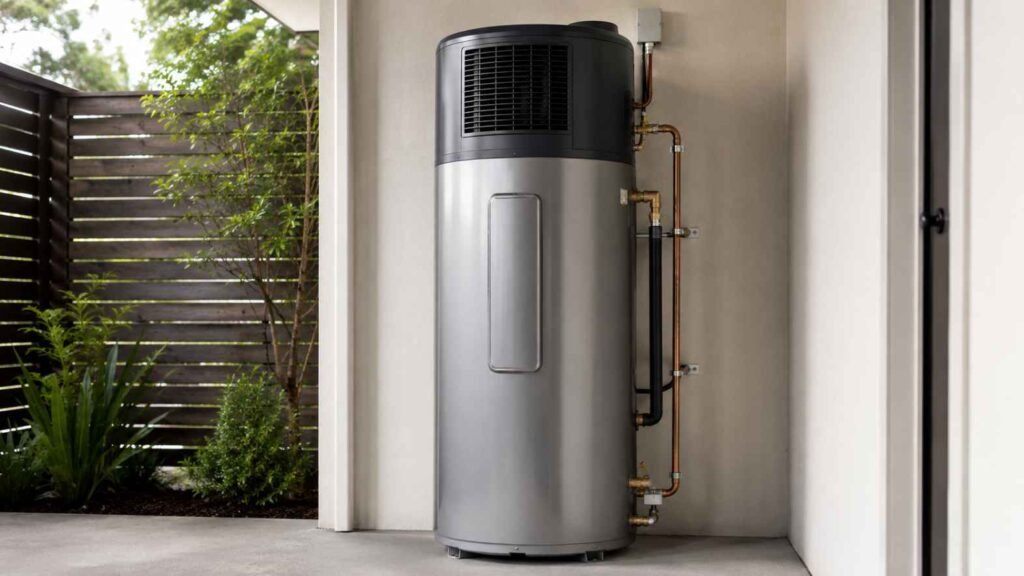
A hot water heat pump is a device designed to efficiently provide hot water by extracting heat from the surrounding air. Unlike conventional water heaters that generate heat directly through electrical resistance or gas combustion, a heat pump transfers existing thermal energy, using electricity primarily to power the transfer mechanism rather than to create heat. This results in significant energy savings and lower environmental impact.
Energy Efficiency and Cost Savings
One of the primary benefits of using a hot water heat pump is its energy efficiency. By utilising ambient air as a heat source, heat pumps can use up to 50% less electricity compared to traditional electric water heaters. This efficiency translates directly to cost savings on energy bills, especially in regions with high electricity prices.
Since the operational cost of a heat pump water heater is considerably lower, the initial investment can be recouped over time. Many users report that after a few years, the reduced running costs outweigh the higher upfront installation expense. This is particularly true when combined with government incentives or rebates for energy-efficient appliances.
Environmental Benefits
Reducing carbon emissions is a critical consideration when selecting heating systems. Hot water heat pumps contribute positively by consuming less energy derived from fossil fuels. Because they primarily transfer heat instead of generating it, their carbon footprint is substantially smaller than that of conventional electric water heaters or gas boilers.
This decrease in emissions aligns with global sustainability goals and legislative targets aimed at reducing greenhouse gases. As a result, integrating heat pumps into residential or commercial properties not only benefits users financially but also supports broader environmental responsibility.
Reliability and Longevity
Modern heat pump technology has advanced significantly, offering reliable performance and long operational lifespans. Hot water heat pumps are designed with durable components that require minimal maintenance, making them a practical choice for consistent hot water supply.
Compared to traditional systems that may suffer from corrosion or frequent breakdowns, heat pumps tend to have fewer mechanical issues. Proper installation and regular servicing ensure optimal functionality, typically lasting between 15 to 20 years, which is comparable or superior to many conventional water heating options.
Versatility in Installation
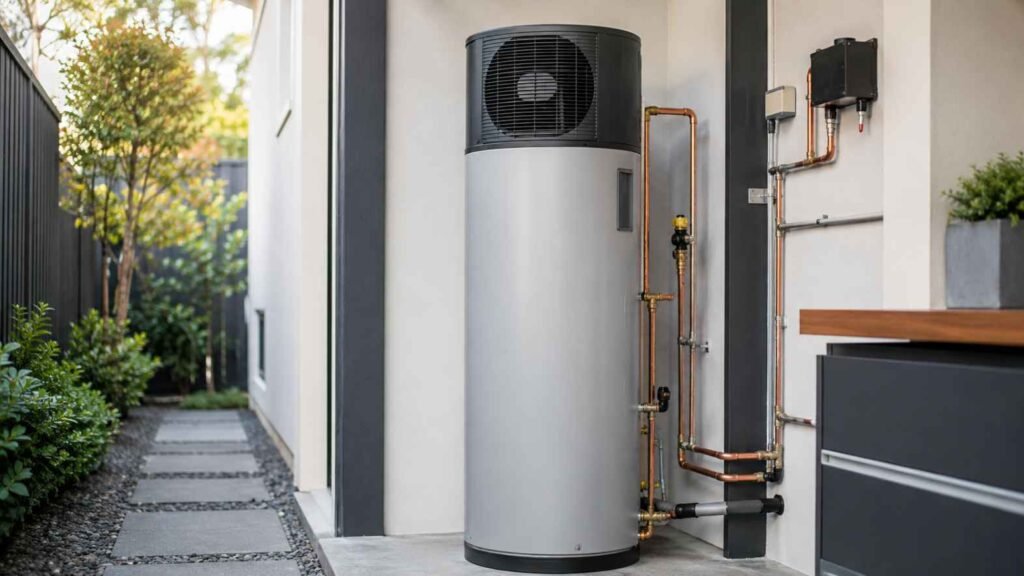
Hot water heat pumps can be installed in a variety of settings, including residential homes, apartment complexes, and commercial buildings. Their design flexibility allows for both indoor and outdoor placement, depending on space availability and climatic conditions.
Since they extract heat from the air, some models perform better in mild climates, while others are equipped to handle colder environments effectively. This adaptability makes them suitable across a broad range of geographical locations.
Safe and User-Friendly Operation
Heat pumps operate quietly and do not involve combustion, eliminating risks associated with gas leaks or carbon monoxide poisoning. Their safe operational characteristics make them preferable for households with children or elderly residents, enhancing overall domestic safety.
Additionally, most hot water heat pumps come with digital controls that allow users to set desired temperatures and schedule heating cycles. This user-friendly interface contributes to efficient energy management and personalised comfort.
Integration with Renewable Energy
Another important advantage is the potential for integrating heat pumps with other renewable energy technologies, such as solar photovoltaic panels. This combination can further reduce dependency on grid electricity and lower carbon emissions.
For example, solar panels can provide electricity to run the heat pump, enabling the production of hot water entirely from renewable sources. This synergy supports the transition to clean, sustainable energy systems and maximises economic savings.
Reduced Peak Demand on Electrical Grids
Heat pumps, due to their efficiency, place less strain on electrical grids during peak demand hours compared to traditional electric heaters. This aspect is beneficial in preventing overloads and outages, enhancing the stability of power supply networks.
Communities adopting heat pump technology contribute to overall energy system resilience. This benefit is especially significant as urban areas experience rising energy consumption and the need for smarter grid management increases.
Government Incentives and Support
Many governments recognise the environmental benefits of heat pumps and offer incentives to encourage their adoption. These incentives may include rebates, tax credits, or subsidised installation costs.
Such support reduces the financial barriers to upgrading to energy-efficient hot water heating systems, accelerating market growth and consumer uptake. Potential buyers should investigate local programmes to take advantage of these opportunities.
Compatibility with Existing Systems
Hot water heat pumps can often be integrated with existing hot water storage tanks or central heating systems. This compatibility means that upgrading to a heat pump does not always require complete replacement of current infrastructure, minimising disruptions and additional expenses.
For homeowners planning wider improvements, this upgrade can work well alongside other ways to boost your homes value with renovation ideas that improve comfort, efficiency, and long-term property appeal.
In some cases, hybrid systems can be developed, combining traditional heating elements with heat pump technology to optimize performance and reliability.
Advantages Over Solar Water Heating Systems

While solar water heaters are also popular for sustainable hot water production, they can be limited by weather conditions and space requirements. Hot water heat pumps, by contrast, can efficiently operate regardless of sunlight availability, providing a more consistent hot water supply.
This reliability enhances user convenience and ensures that hot water needs are met at all times, even during periods of low solar radiation or adverse weather.
Contribution to Property Value
Installing a hot water heat pump can increase the value of a property by improving its energy rating and reducing ongoing running costs. Prospective buyers often consider energy efficiency features attractive due to the associated cost savings and environmental benefits.
Along with efficiency-focused improvements, homeowners ,should also know the building upgrades that improve safety and security to make a property more practical, comfortable, and appealing in the long term.
Consequently, heat pumps not only provide immediate advantages but also represent a long-term investment in property quality and market appeal.
Challenges and Considerations
Despite these benefits, some considerations need to be addressed when choosing a hot water heat pump. Initial installation costs may be higher than traditional systems, and correct sizing and placement are crucial to maximise performance.
Additionally, in regions with extremely low temperatures, supplementary heating may be necessary to ensure sufficient water temperature, potentially impacting overall savings. Consultation with a qualified professional is recommended to assess suitability and system design.
Conclusion
In summary, the adoption of a hot water heat pump presents compelling benefits, including enhanced energy efficiency, environmental advantages, cost savings, and operational reliability. Its ability to integrate with renewable energy sources and government incentives further supports its role as a leading solution for sustainable hot water production.
For individuals and organisations seeking dependable and eco-friendly heating options, the hot water heat pump offers a viable and future-proof choice. Proper installation and maintenance ensure that users can enjoy the advantages of this technology for many years.