
Protecting a commercial or residential building requires constant vigilance. Outdated systems leave properties vulnerable to harsh weather conditions and unauthorized entry. Property owners must proactively invest in modern solutions to protect their occupants and valuable assets. Simply reacting to incidents after they happen costs significantly more money and causes unnecessary stress. This guide outlines seven essential upgrades that significantly improve building security and overall physical safety.
Upgrading the Outer Perimeter
The first line of defense always starts at the property line. Securing the exterior prevents threats from ever reaching the interior of your building.
1. Advanced Access Control Systems
Traditional keys easily get lost or duplicated without your knowledge. Upgrading to electronic access control gives you complete command over who enters your building at any given time. Keypad entries, biometric scanners, and smart card readers provide highly trackable data. You can instantly revoke access for former employees or problematic tenants without the massive expense of changing physical locks. Furthermore, you can restrict certain areas of the building to specific personnel, adding layers of internal protection.
2. High-Definition Surveillance Cameras
Old, grainy security footage rarely helps identify intruders or solve property crimes. Modern high-definition cameras capture crystal-clear video in both bright daylight and total darkness. Placing these cameras prominently at all entry points, loading docks, and parking lots creates a massive visual deterrent. Potential trespassers usually move on to easier targets when they spot quality surveillance equipment. Motion-activated recording and secure cloud storage ensure you never lose crucial footage during a critical incident.
Fortifying Windows and Doors
Burglars and severe weather both exploit weak entry points. Strengthening the physical barriers of your building is incredibly important for long-term safety.
3. Reinforced Glazing and Window Solutions
Standard glass shatters easily under pressure from severe storms or forced entry attempts. Replacing vulnerable windows with heavy-duty alternatives keeps the elements and dangerous intruders outside. For example, installing impact glass in Pembroke Pines FL protects properties against intense hurricane winds and flying debris. This structural upgrade also deters burglars because the thick glazing resists repeated strikes from heavy tools like crowbars and hammers.
4. Commercial-Grade Door Hardware
A sturdy door fails instantly if the frame or lock remains weak. Upgrading to heavy-duty, commercial-grade deadbolts and solid metal frames prevents violent kick-ins. Installing anti-pry plates and reinforced hinges adds another necessary layer of defense. These physical barriers slow down attackers significantly. That extra time gives local law enforcement a much better chance to respond and intervene before anyone gains access to the building.
Improving Internal Safety Systems
Physical security focuses heavily on keeping bad things out. However, internal safety systems protect the people inside when emergencies start from within. Similarly, just as you should carefully hand wash clothes to preserve their integrity, ensuring internal safety systems are properly maintained can help protect the occupants during critical situations.
5. Smart Fire Detection and Suppression
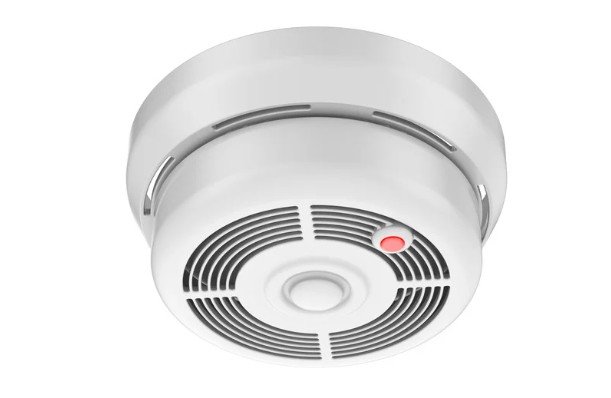
Basic smoke alarms save lives, but older models often fail to detect slow-burning, smoldering fires quickly. Smart fire detection systems use advanced sensors to identify dangerous heat and smoke much faster. These connected systems automatically alert the local fire department while activating targeted overhead sprinkler systems. Quick response times minimize structural damage and give occupants ample time to evacuate the premises safely.
6. Dependable Emergency Lighting
Sudden power outages cause immediate panic and confusion. If a building goes dark during a fire or severe storm, occupants might struggle to find the nearest exit. Installing bright, battery-backed emergency lighting illuminates long hallways and stairwells automatically. Upgraded exit signs with long-lasting LED bulbs ensure the correct path to safety remains visible even through heavy smoke or total darkness.
Securing the Digital Environment
Modern physical security heavily depends on internet connectivity. Protecting your network is just as vital as locking your front doors.
7. Integrated Cybersecurity Networks
Physical security devices rely on digital networks to communicate. Hackers can remotely disable smart cameras or unlock electronic doors if your internet network remains weak. Upgrading your building means securing your digital connection. Using encrypted wireless networks and separate servers for your security devices keeps your physical access systems safe from outside digital manipulation. Regularly updating the software on your cameras and keypads blocks newly discovered vulnerabilities.
Conclusion
Investing in building safety upgrades protects your property value and provides massive peace of mind. Start by auditing your current structural vulnerabilities. Focus on fortifying your physical entry points before moving on to upgrade your internal digital monitoring systems. Contact a local security professional to evaluate your building and recommend the most effective hardware solutions for your specific needs.