
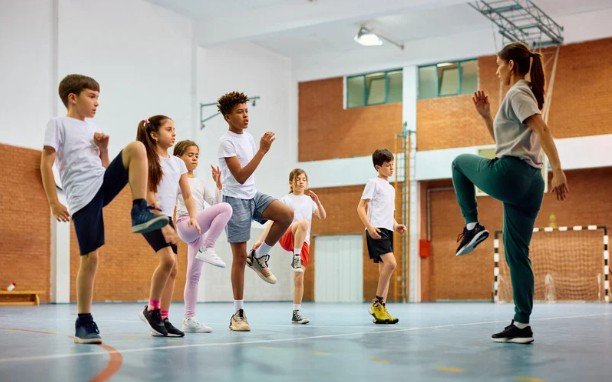
For many students, Physical Education (PE) class is simply a time to change into gym clothes, run a few laps, play a game of dodgeball, and burn off some energy before head-down classroom learning resumes. It can easily feel like just another requirement on your daily schedule.
However, PE is actually a live laboratory for peak human performance, biology, and history. The movements you practice and the sports you learn are rooted in incredible science and surprising origin stories. When you understand what is happening beneath the surface, gym class transforms from a routine workout into a fascinating look at what the human body can achieve.
Here are five incredible fun facts that will completely change the way you view your next PE class.
1. Exercise Literally Makes Your Brain Grow
Physical education directly increases the size of your brain by stimulating neurogenesis—the growth of new brain cells—through the production of a specialized protein called Brain-Derived Neurotrophic Factor (BDNF).
When you participate in cardiorespiratory activities during gym class, your heart pumps more oxygen to your brain. This process triggers the release of BDNF, which scientists often refer to as “Miracle-Gro for the brain.” This protein strengthens the areas of your mind responsible for memory, focus, and long-term learning.
If you have ever noticed that you feel sharper, more focused, and less stressed during your math or science classes after a solid workout, you are experiencing the direct mental benefits of exercise. Moving your body is quite literally a cheat code for getting better grades.
2. Your Muscles Have a Built-In “Hard Drive”
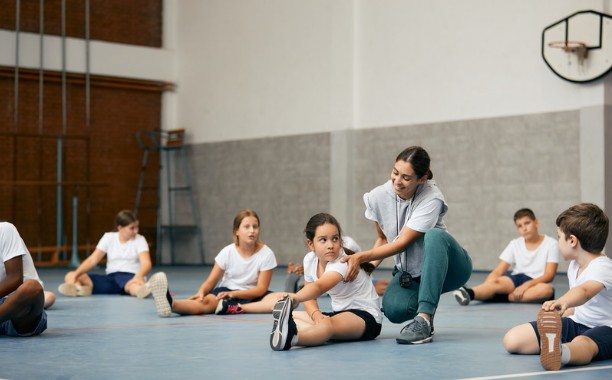
Muscle memory is not actually stored in your muscles; it is a neurological process where your brain creates permanent, optimized neural pathways to automate complex physical movements.
When you first try to learn a new skill in PE—like serving a volleyball, dribbling a soccer ball, or executing complex agility training drills—your movements feel clunky and awkward. This happens because your brain is manually sending slow signals down unpaved neural pathways.
However, as you repeat the movement correctly, your brain wraps those pathways in a protective insulation layer called myelin. This speeds up the electrical signals significantly. Eventually, the movement becomes fully automatic. Your brain no longer has to consciously think about the mechanics; your body just executes it seamlessly.
3. The Fastest-Growing PE Sport Was Invented to Kill Boredom
Pickleball, which has quickly become one of the most popular activities in modern physical education, was invented in 1965 by three dads in Washington who were simply trying to entertain their bored children on a rainy summer afternoon.
Joel Pritchard, William Bell, and Barney McCallum gathered on an old, unused badminton court but couldn’t find a complete set of rackets. Improving with what they had, they cut down old ping-pong paddles, grabbed a perforated plastic wiffle ball, lowered the net, and created a brand-new game.
Today, pickleball has evolved far beyond a simple backyard pastime. It is an international phenomenon that attracts elite athletes from various backgrounds. For instance, former top professional tennis players like Donald Young have successfully transitioned into the professional pickleball circuit. This crossover proves that the fundamental hand-eye coordination and spatial awareness skills you practice in standard PE racket sports are highly transferable to elite, modern athletic careers.
4. Your Heart is the Most Resilient Machine on Earth
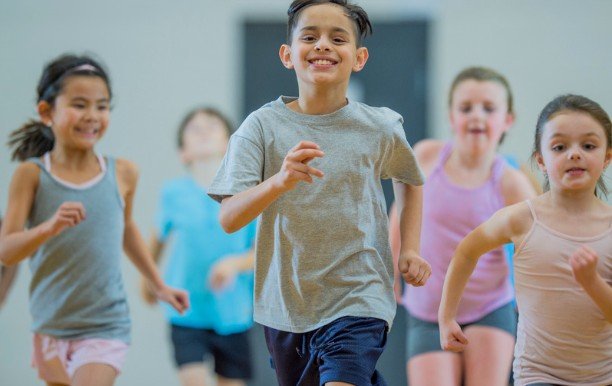
The human heart is an extraordinary endurance muscle that pumps roughly 2,000 gallons of blood every day and beats over 100,000 times without ever taking a single second to rest.
During high-intensity PE activities like the PACER test or running laps, your muscles demand large amounts of oxygen. Your heart responds by beating faster and stronger to deliver that fuel. Just as a traveler should do before hitting the road, your body prepares its essential systems before taking on a demanding physical challenge.
Because the heart is a muscle, it adapts directly to this regular physical stress. Every time you push through a challenging cardio session, you are thickening the walls of your heart and increasing its chamber size. This allows it to pump more blood with less effort, lowering your resting heart rate and building a highly efficient cardiovascular system that protects your health for decades.
5. Ancient Greeks Invented Gym Class for the Mind
Modern physical education traces its roots directly back to ancient Greece, where the concept of the “gymnasium” was created to cultivate a perfect harmony between physical strength and intellectual philosophy.
The word gymnasium comes from the ancient Greek word gymnos, which means naked—because athletes originally trained completely without clothing to ensure total freedom of movement.
However, ancient Greeks didn’t view physical training as separate from academic studies. Elite philosophers like Plato and Aristotle taught their students inside the gymnasiums. They firmly believed that a weak body led to a weak mind, and that developing lifelong active lifestyle habits was a fundamental civic duty for every educated citizen.
Myth vs. Fact: Common Physical Fitness Misconceptions
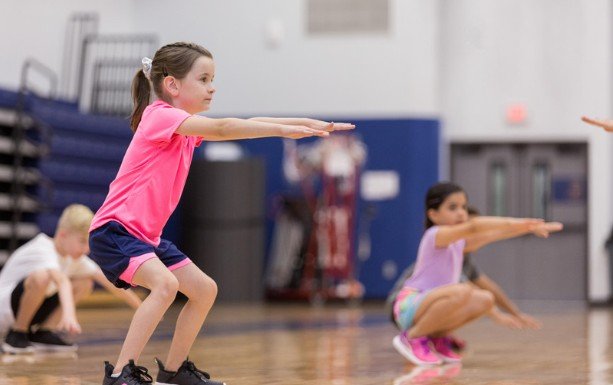
- Myth: If you don’t feel incredibly sore the day after a PE workout, you didn’t work hard enough.
- Fact: Muscle soreness is caused by microscopic tears in muscle tissue, which happens when you try an entirely new movement. As your fitness improves, your body adapts, meaning you can get an elite workout without feeling miserable the next morning.
- Myth: Drinking sports drinks is always better than drinking plain water during gym class.
- Fact: Unless you are exercising intensely for more than 60 to 90 minutes consecutively, plain water is the absolute best way to stay hydrated. Most commercial sports drinks contain unnecessary sugars that can lead to energy crashes.
Frequently Asked Questions
1. Why do we have to spend time doing dynamic warm-ups before playing a game?
Dynamic warm-ups raise your core body temperature, increase blood flow to your muscles, and lubricate your joints with synovial fluid. Skipping a warm-up forces cold, stiff muscles to stretch suddenly, which is the primary cause of painful strains and pulls.
2. What is the point of learning sports I might not play outside of school?
PE isn’t about turning every student into a professional athlete. Learning a wide variety of sports introduces your body to different movement patterns, improves balance, and teaches strategic teamwork—skills that keep your body agile and adaptable for life.
Conclusion
Physical education is far more than just a break from a traditional desk. It is a vital investment in your biology, your cognitive longevity, and your personal resilience. By understanding that every lap you run grows your brain cells, every drill you practice builds permanent neural pathways, and every sport you play connects you to a rich history of human movement, you can approach the gym floor with a completely new perspective. Your body is built to move—embrace the opportunity to see what it can do.