
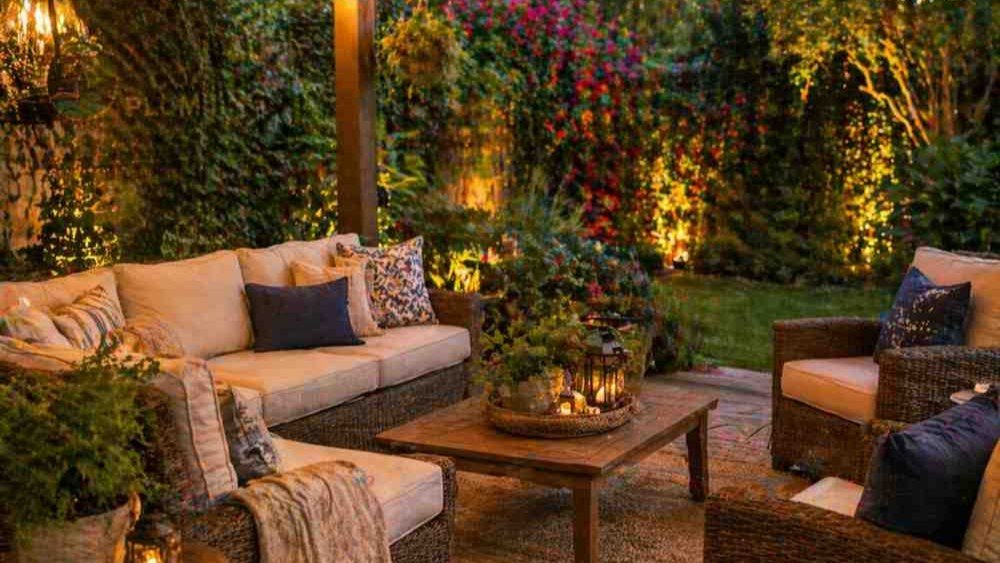
Transforming an outdoor space into a personal retreat brings immense satisfaction. You step outside, breathe the fresh air, and enjoy a vibrant environment you created with your own hands. Landscaping adds value to your home and provides a peaceful area for relaxation, family time, or entertaining guests.
Laying the Foundation: Planning Your Landscape
Every successful garden starts with a clear plan. Rushing to the garden center without a strategy often leads to wilted plants and wasted money. Take time to understand your yard before you buy anything.
Assess Your Space
Walk around your yard at different times of the day. Notice which areas receive full sun, partial shade, or deep shade. Understanding your sun exposure dictates which plants will thrive. Next, check your soil type. Is it sandy, clay-heavy, or rich in organic matter? Finally, take note of existing features like mature trees, slopes, or utility lines that you need to work around.
Define Your Vision
Decide how you want to use your outdoor space. A family with young children might prioritize a large, durable lawn for playing. Someone who loves hosting barbecues will want a spacious patio and ambient lighting. Determine your preferred style early on, whether that means a structured formal garden, a relaxed cottage aesthetic, or a sleek modern look.
Set a Budget
Landscaping costs can add up quickly. Establish a realistic budget before you start digging. You do not need to finish everything in one season. Prioritize the most important elements first, such as fixing drainage issues or planting a privacy hedge. Cost-effective ideas like growing plants from seeds or buying smaller shrubs can stretch your dollars significantly.
Essential Elements of a Beginner-Friendly Landscape
Choosing the right components makes garden maintenance manageable. Focus on elements that offer maximum visual impact with minimal ongoing effort.
Choose the Right Plants
Selecting the right greenery is crucial for a beginner. Look for low-maintenance flowers and shrubs that do not require constant deadheading or specialized pruning. Drought-tolerant options are excellent choices because they survive periods of low rainfall and reduce your water bill. Additionally, native plants naturally adapt to your local climate and soil conditions, making them incredibly resilient and resistant to local pests.
Basic Hardscaping
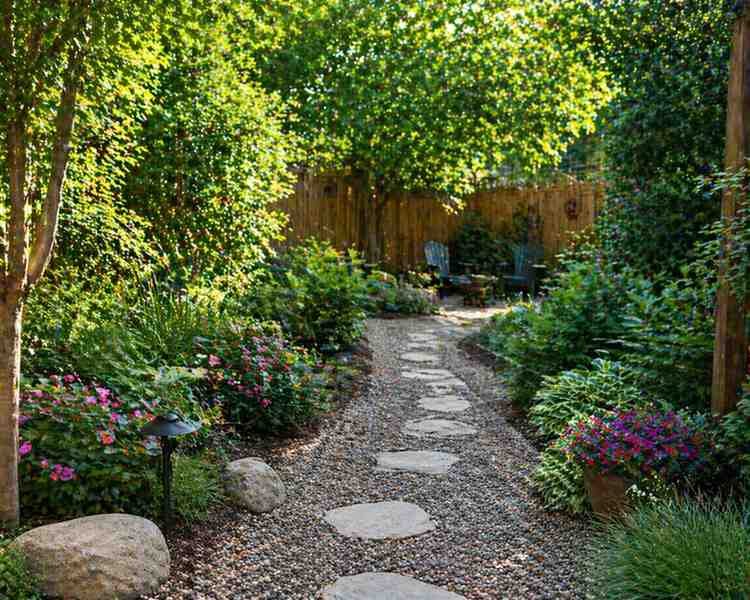
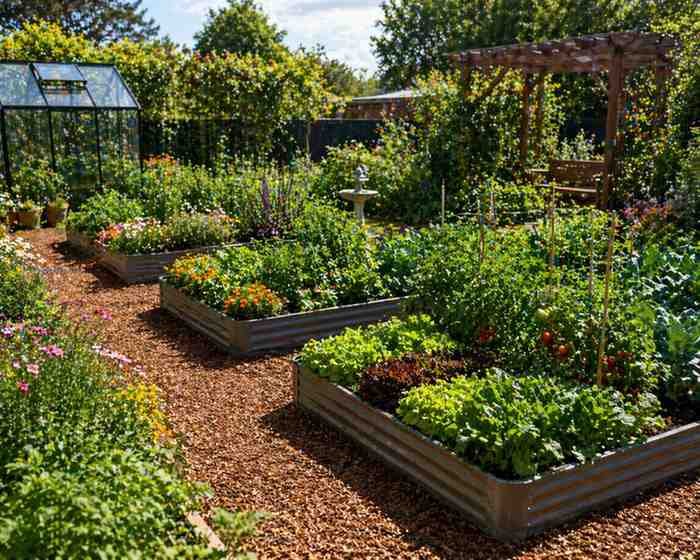
Hardscaping refers to the non-living elements of your yard. Adding a simple gravel pathway or placing stepping stones through a garden bed creates structure and guides visitors through the space. Small raised beds are another great beginner project. They offer better drainage, warm up faster in the spring, and give you complete control over the soil quality.
Smart Watering Solutions
Watering correctly determines the health of your garden. Hand watering with a hose or watering can works well for small spaces and helps you keep a close eye on your plants. For larger areas or vegetable gardens, installing a basic drip irrigation system saves time and delivers water directly to the roots. Always research the specific moisture needs of your plants, so you group thirsty plants and keep dry-loving plants separate.
Simple Steps for a Stunning Yard
With your plan in place and your materials selected, you are ready to get your hands dirty.
Start Small
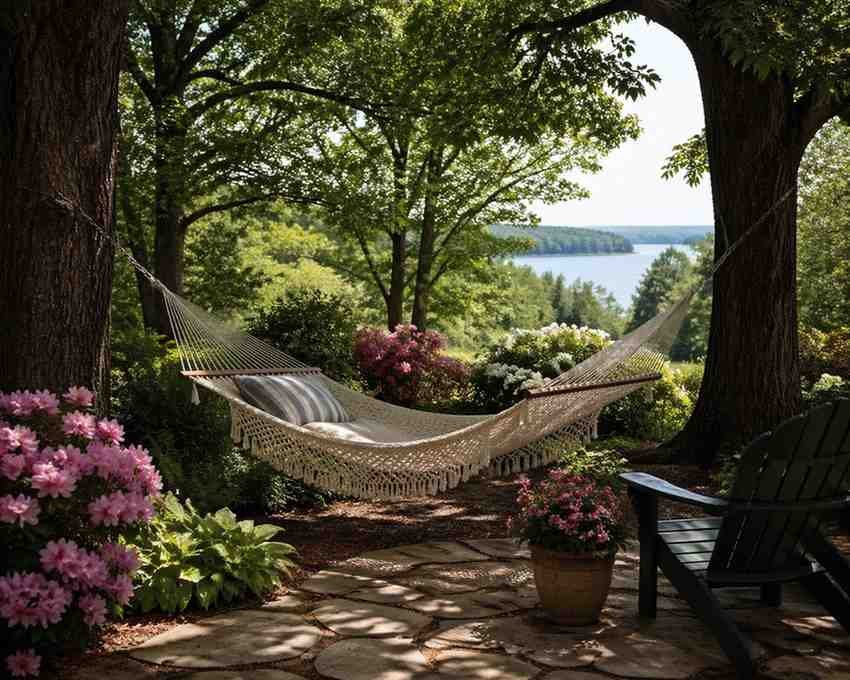
Tackling the entire yard at once leads to exhaustion. Focus on one small area at a time. Create a single flower bed near your front door or set up a few container plants on your patio. Once you master that small zone, you can expand your efforts to other parts of the yard.
Soil Preparation
Healthy plants rely on healthy soil. Before planting, clear the area of weeds and debris. Turn the soil and mix in organic compost. This step improves drainage in clay soils and helps sandy soils retain moisture. Good soil preparation gives your new plants the nutrients they need to establish strong root systems.
Planting Techniques
Read the plant tags carefully. They provide vital information on proper spacing and planting depth. Dig a hole twice as wide as the root ball but no deeper than the pot it came in. Gently loosen the roots before placing the plant in the ground, fill in the soil, and water thoroughly to remove air pockets.
Mulching
Mulch acts as a protective blanket for your soil. It suppresses weed growth, regulates soil temperature, and retains crucial moisture during hot summer days. Applying a thick layer of black landscape mulch in Salt Lake City around your plants also creates a clean, high-contrast look that makes bright green foliage and colorful flowers pop.
Basic Pruning and Maintenance
Keep your yard looking tidy with routine maintenance. Remove dead or diseased branches from shrubs as soon as you spot them. Pull weeds while they are small and before they go to seed. Regular, light maintenance prevents garden chores from turning into a massive weekend project.
Troubleshooting and Tips for Success
Every gardener faces challenges. Learning how to handle common issues builds your confidence.
Dealing with Pests and Diseases
Insects and fungal diseases occasionally appear in the best gardens. Start with beginner-level solutions before reaching for harsh chemicals. Hand-pick large bugs off your plants, or use a simple spray of soapy water for aphids. Ensure your plants have good air circulation to prevent powdery mildew and other fungal issues.
Watering Schedule
Finding the right watering balance takes practice. Over-watering rots roots, while under-watering causes plants to wilt and die. Check the soil moisture by sticking your finger an inch into the dirt. If it feels dry, it is time to water. Water deeply and less frequently to encourage deep, robust root systems.
Learning from Mistakes
A plant might die, or a flower bed might not look exactly as you envisioned. This is a normal part of the process. Treat mistakes as learning opportunities. Adjust your approach next season, move plants that are unhappy in their current spot, and celebrate the successes along the way.
Recommended Tools for Beginners
You only need a few basic tools to get started. Invest in a sturdy shovel, a comfortable trowel for planting, a quality pair of bypass pruners, and a pair of thick gardening gloves. A reliable wheelbarrow or garden cart also helps transport soil and plants across your yard with ease.
Conclusion
Landscaping offers a deeply rewarding way to connect with nature and improve your home and its value. By planning carefully, starting small, and choosing the right materials, you can create a gorgeous yard regardless of your prior experience. The process requires a bit of sweat, but the result is a private retreat you can enjoy for years.