
Termite infestations present a significant risk to residential and commercial properties in Australia. Sydney, in particular, experiences a high prevalence of termite activity due to its favourable climate and abundant timber structures. Given the potential damage termites can cause, conducting a thorough termite inspection Sydney is essential for protecting a property effectively.
Understanding Termite Threats in Sydney
Termites are known as silent destroyers because they can cause extensive damage before any visible signs appear. These insects consume wood and cellulose-based materials, which form the structural framework of many buildings. The moist and temperate environment of Sydney creates ideal conditions for termite colonies to thrive, increasing the risk to homes and commercial premises.
Types of Termites Commonly Found in Sydney
In Sydney, the most common termite species include subterranean termites and drywood termites. Subterranean termites live underground and build mud tubes to access timber, while drywood termites infest dry wood without requiring soil contact. Understanding the species present is crucial for determining the appropriate inspection and treatment methods.
The Importance of a Professional Termite Inspection
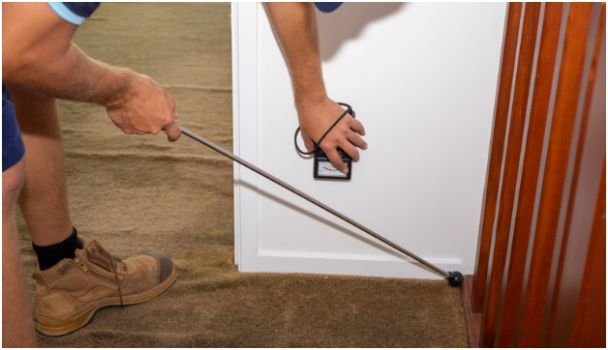
A professional termite inspection provides a detailed evaluation of a property’s susceptibility to termite infestations. This assessment goes beyond simply looking for visible signs; it involves a comprehensive examination of structural elements, timber features, and environmental factors.
A termite inspection can identify current infestations, residual damage, and potential entry points. Early detection significantly reduces repair costs and minimises disruption to property use. For homeowners and property managers in Sydney, a detailed inspection ensures proper prevention and control measures are implemented. Without getting rid of termites completely, starting any new home improvement projects would be pointless.
Scope of a Comprehensive Termite Inspection
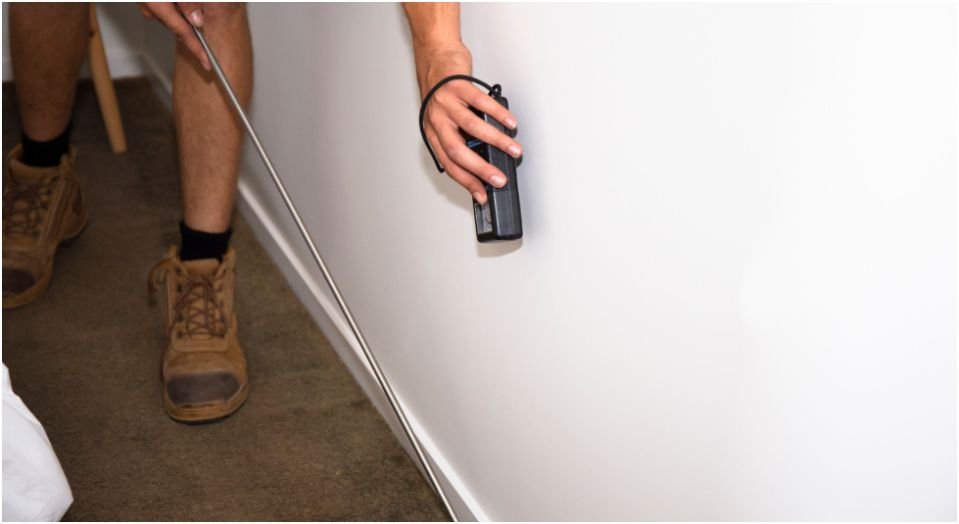
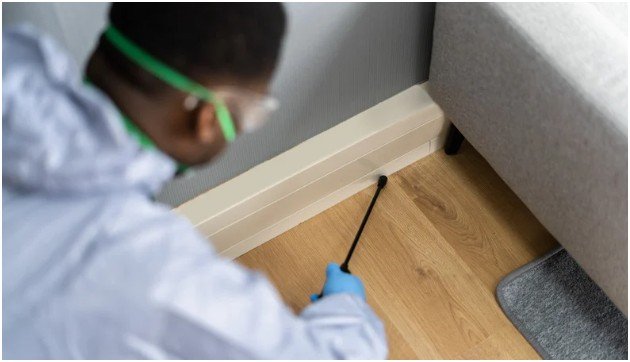
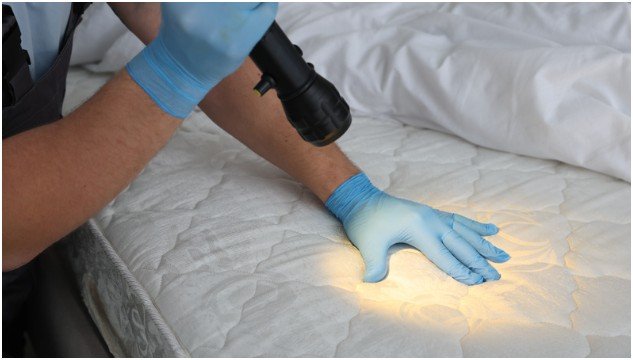
A thorough termite inspection includes several key components. Inspectors assess the subfloor area, exterior wooden elements, wall cavities, roof spaces, and even fencing and garden timber. Each area is examined for signs such as mud tubes, damaged wood, shed wings, and termite droppings.
Modern inspections may employ additional tools such as moisture meters, thermal imaging cameras, and acoustic devices to detect hidden infestations. Combining visual assessment with technological methods increases the accuracy and reliability of the inspection.
Detailed Reporting and Recommendations
Upon completion of the inspection, a detailed report is provided. This document outlines findings, risk levels, and recommended actions tailored to the specific property conditions. The report helps homeowners make informed decisions about treatment plans or prevention strategies. If a homeowner is facing more than a termite problem, such as needing to get rid of mice, a professional can tailor recommendations to their home requirements.
Termite Prevention Strategies Post-Inspection
Following an inspection, prevention is critical to maintain a termite-free environment. Common preventative measures include constructing physical barriers, ensuring proper drainage, removing timber debris, and maintaining adequate ventilation to reduce moisture accumulation.
For properties with high risk or existing infestations, targeted chemical treatments or baiting systems may be recommended. These methods aim to eliminate termite colonies and prevent reinvasion while minimising environmental impact.
Regular Inspections as a Long-Term Strategy
Given the persistent nature of termite threats, regular inspections are advised. Annual or biannual inspections allow early detection of new activity and ensure ongoing protection. Consistent monitoring is especially important for older buildings or properties located in termite-prone zones.
Choosing a Reputable Termite Inspection Service in Sydney
To ensure accuracy and reliability, selecting a licensed and experienced inspection service is vital. Professionals specialising in termite management offer the expertise and tools needed to conduct comprehensive evaluations.
Clients should verify qualifications, insurance coverage, and track record before engaging inspection providers. Additionally, services that provide clear communication and detailed documentation enhance client trust and satisfaction.
Benefits of Professional Termite Inspection Services
Professional services offer several advantages including expert identification of termite species, understanding of local environmental risks, and access to modern inspection technology. Furthermore, they provide peace of mind by ensuring the property’s structural integrity is maintained.
The Cost-Effectiveness of Investing in Termite Inspections
While a termite inspection involves upfront expenditure, it is a cost-effective strategy in the long term. Detecting and treating termite infestations early can save substantial repair costs and prevent loss of property value.
Investing in preventative inspections and treatments reduces the likelihood of severe damage and supports the overall durability of the building.
Termite Inspection and Property Transactions
Termite inspections are commonly required during property sales or purchases in Sydney. Incorporating a thorough inspection as part of due diligence informs buyers of any existing pest concerns, facilitating transparent transactions.
For sellers, completing a termite inspection prior to listing can identify problems early, allowing for remedial actions that enhance property marketability.
Conclusion
Given the significant threat termites pose to properties in Sydney, a comprehensive termite inspection Sydney is essential for effective protection. Professional inspections provide early detection, accurate assessments, and strategic recommendations that safeguard the property’s structural integrity.
Regular inspections combined with appropriate preventative measures minimise the risk of costly termite damage. Homeowners, buyers, and property managers are encouraged to prioritise termite inspections as part of an integrated pest management approach, ensuring long-term safety and value retention.