

A dating scan is a crucial step in early pregnancy, providing vital information for both expectant parents and healthcare professionals. This ultrasound examination helps determine the gestational age of the pregnancy, estimate the due date, and assess the overall health of the developing embryo. Understanding the importance of a dating scan enables expectant mothers to better navigate the early stages of their pregnancy with confidence and care.
What Is a Dating Scan?
A dating scan is an ultrasound scan usually performed between seven and 13 weeks of pregnancy. It is designed to confirm the gestational age of the fetus by measuring the crown-rump length, which is the length of the embryo or fetus from the top of its head to the bottom of its body. This measurement is the most accurate in early pregnancy for estimating how far along the pregnancy is.
The Role of a Dating Scan in Pregnancy Care
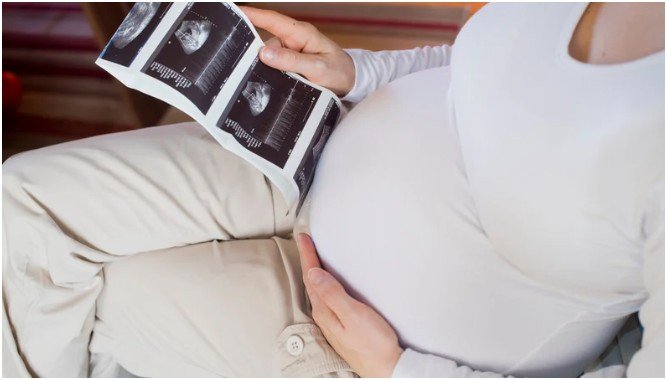
The dating scan plays a key role in guiding pregnancy care. It provides an accurate estimate of the expected delivery date, which influences the scheduling of necessary tests and prenatal care. Accurate dating is essential because it helps avoid unnecessary interventions, such as inductions or premature delivery, by offering a reliable timeline of fetal development.
Confirming Pregnancy Viability
The dating scan also confirms the viability of the pregnancy. Early ultrasounds can detect the fetal heartbeat, which is a reassuring sign that the pregnancy is progressing normally. The absence of a heartbeat at an appropriate gestational age may indicate a non-viable pregnancy and allows healthcare professionals to advise on possible next steps.
Detecting Multiple Pregnancies
Another important aspect of the dating scan is the identification of multiple pregnancies, such as twins or triplets. Multiple fetuses require closer monitoring due to the higher risk of complications, and knowing this early facilitates specialised care and planning.
How Is a Dating Scan Performed?
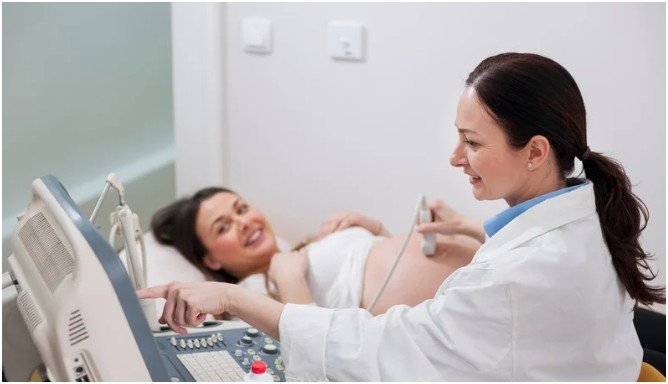
During a dating scan, a sonographer performs the ultrasound either abdominally or transvaginally. In early pregnancy, a transvaginal scan is often performed because it provides clearer images of the uterus and developing embryo. The procedure is painless and typically completed within 15 to 20 minutes.
What to Expect During the Scan
Expectant mothers will be asked to lie down, and a lubricated ultrasound probe is either moved over the abdomen or inserted vaginally, depending on the stage of pregnancy and image clarity needed. The sonographer examines the uterus to measure the embryo and look for signs of a healthy pregnancy, such as the presence of a gestational sac and fetal heartbeat.
The Benefits of Early Pregnancy Dating Scans
One of the primary benefits of a dating scan is the accurate establishment of the pregnancy timeline. This accuracy is vital for monitoring fetal growth and development throughout pregnancy. It also aids in planning other important prenatal tests at appropriate gestational ages, such as the nuchal translucency scan which screens for chromosomal abnormalities.
Reducing Anxiety for Expectant Parents
Knowing the exact stage of pregnancy can alleviate anxiety for expectant parents. Early confirmation of fetal viability and the expected due date offers reassurance and helps parents prepare for the arrival of their baby. Furthermore, it facilitates clear communication with healthcare providers regarding the pregnancy progress.
Managing Risks and Complications
Dating scans can identify early pregnancy complications such as ectopic pregnancies or miscarriages. Early detection of these issues improves the chances of effective treatment and management. Additionally, it helps distinguish between miscarriages and normal early pregnancy bleeding, providing crucial diagnostic clarity.
When Is a Dating Scan Recommended?
A dating scan is generally recommended for all pregnant women to confirm gestation and the expected delivery date. It is particularly advised in cases where the last menstrual period is unknown or irregular, or if there has been bleeding in early pregnancy. Women with previous pregnancy complications or a history of miscarriage may also benefit from early scanning. Also, soon-to-be parents need to be ready with smart ways to cover sudden expenses during pregnancy and for delivery.
How to Book a Dating Scan
Booking a dating scan usually involves contacting a healthcare provider, midwife, or ultrasound clinic. It is advisable to seek a reputable facility specialising in obstetrical ultrasound services. For instance, a dating scan is available through specialised clinics that provide accurate and timely ultrasounds during early pregnancy.
Understanding Results from the Dating Scan
Following the scan, a sonographer typically provides initial feedback on the viability and dating of the pregnancy. A more detailed report is sent to the referring healthcare professional. Most pregnancy timelines are confirmed or occasionally revised based on the measurements taken during the scan.
When Dates Need Revising
The scan may reveal that the pregnancy is more or less advanced than initially thought based on menstrual dates. This is common due to variations in ovulation and implantation timing. Revising the expected due date ensures that prenatal care is accurately timed.
Limitations of a Dating Scan
While highly accurate, a dating scan is not infallible. Factors such as a very early scan, maternal obesity, or suboptimal fetal positioning can affect measurement precision. Despite these limitations, it remains the most reliable method for dating pregnancy in the first trimester.
Conclusion: The Value of a Dating Scan
A dating scan is fundamental in pregnancy care, providing accurate dating and early assessment of fetal health. It assists in planning care, reducing parental anxiety, and identifying potential complications. Ensuring that expectant mothers access this scan at the recommended time between seven and 13 weeks helps set the foundation for a safe and well-managed pregnancy journey.