
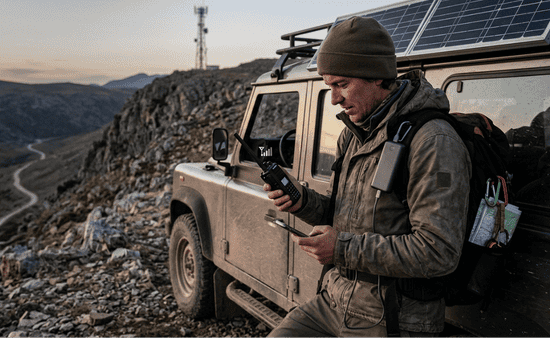
Traveling off the grid or moving frequently for work often presents a significant challenge: maintaining a stable connection. Dropped calls, unsent emails, and GPS failures can disrupt daily operations and cause unnecessary stress. Preparing a solid communication strategy before heading out ensures that critical information flows smoothly, regardless of your physical location.
Understanding the limitations of standard cellular networks is the first step toward better connectivity. Cell towers rely on line-of-sight and dense infrastructure, which quickly disappear as you move into rural areas, mountains, or open water. Relying solely on a standard smartphone in these environments leaves you vulnerable to sudden communication blackouts.
Building a dependable mobile communication setup requires a mix of the right hardware, software, and planning. By adopting a few practical strategies, travelers and remote workers can maintain contact with colleagues, family, and emergency services. The following tips will help you establish a resilient communication framework for your next journey.
Invest in the Right Hardware

Standard cell phones work perfectly in urban centers but often fail in remote regions. If your travels take you beyond the reach of local cell towers, you need purpose-built equipment. A satellite two way radio provides consistent connectivity by bouncing signals off satellites rather than relying on ground-based infrastructure. This ensures you can send and receive messages from virtually anywhere on the planet. Evaluate your typical travel destinations and select hardware that matches the terrain and network availability.
Carry Redundant Power Sources
Even the most advanced communication devices become useless with a dead battery. Cold weather, roaming searches for network signals, and heavy usage drain batteries faster than expected. Always carry multiple power options to keep your devices running. High-capacity power banks are essential for immediate recharges. For longer trips, consider investing in portable solar panels that can clip to a backpack or vehicle. Keep charging cables organized and inspect them regularly for fraying to prevent unexpected failures.
Download Offline Communication Apps
When internet bandwidth is low or intermittent, traditional voice calls and video meetings become impossible. Certain messaging applications are designed specifically to operate in low-bandwidth environments. These apps compress data efficiently, allowing text messages and small files to pass through weak connections. Additionally, mesh network applications can link smartphones together via Bluetooth or Wi-Fi to create localized communication networks without needing a central cell tower. Download and set up these tools before you lose your primary internet connection.
Map Out Network Coverage Zones

Pre-trip planning dramatically improves your ability to stay connected. Before departing, research the coverage maps of your cellular provider and note areas with known dead zones. Download topographic maps and mark locations where you expect to find a signal. If you are crossing international borders, research local telecom providers and consider purchasing regional SIM cards. Knowing exactly when and where you will have service allows you to schedule important calls and data transfers during those specific windows.
Secure Your Mobile Connection
Using public Wi-Fi networks at airports, hotels, and cafes exposes your personal and professional data to significant security risks. Intercepted emails and compromised passwords can create massive headaches while traveling. Always route your internet traffic through a reliable Virtual Private Network (VPN). A VPN encrypts your data, masking your online activities from potential threats on the same network. Furthermore, ensure your devices require biometric authentication or complex passwords to unlock them in case they are lost or stolen.
Establish Clear Check-In Protocols
Technology can sometimes fail despite your best preparations. Establishing a clear communication schedule with your team or family adds a crucial layer of safety. Agree on specific times and methods for routine check-ins. If you miss a scheduled contact window, your team should know exactly what steps to take next. Determine backup methods of contact, such as leaving a message with a specific local contact or using a secondary email address. Clear protocols prevent panic and ensure a coordinated response if an emergency arises.
Staying Connected Anywhere
Maintaining reliable communication while on the move requires a combination of preparation, the right equipment, and smart habits. By diversifying your hardware and understanding the limitations of your networks, you can eliminate the anxiety of sudden disconnections. Implement these strategies on your next trip to ensure your vital communications remain uninterrupted, no matter where your travels take you.