
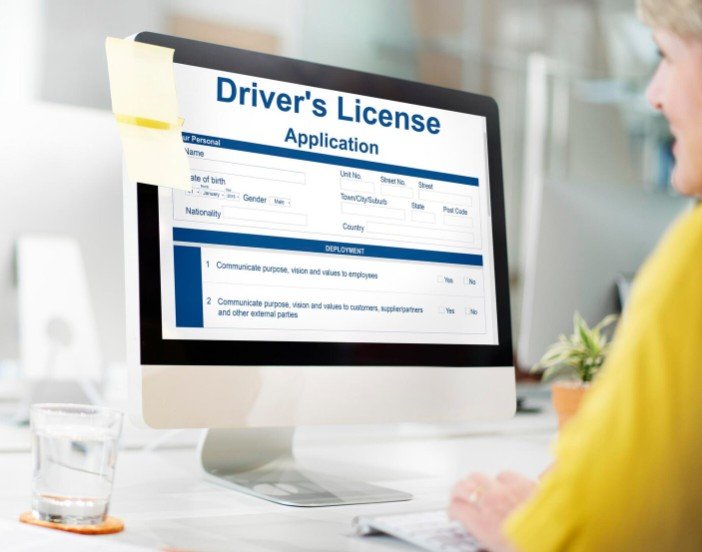
Earning your first driver’s license is an exciting milestone that represents greater independence and responsibility. While getting behind the wheel opens new opportunities, becoming a safe and confident driver requires preparation, knowledge, and practice. Understanding what to expect before applying for your license can help reduce stress, improve your driving skills, and increase your chances of passing every required step with confidence.
Understand the Licensing Requirements
Before beginning the licensing process, it’s important to become familiar with the requirements established by your state’s licensing authority. While regulations vary depending on where you live, most applicants must meet minimum age requirements, complete educational or training programs when applicable, pass written knowledge exams, and successfully demonstrate safe driving skills during a road test.
Reviewing the required documentation early can prevent unnecessary delays. Many licensing offices require proof of identity, residency, and legal eligibility before allowing applicants to take examinations or receive a license. Organizing these documents ahead of time helps make the application process smoother.
Applicants should also understand the different stages of graduated licensing if they apply to younger drivers. These systems often include learner permits, supervised driving periods, and restrictions designed to help new drivers gain experience gradually before receiving full driving privileges.
Taking time to learn the complete licensing process allows you to prepare for each requirement with fewer surprises and greater confidence.
Build a Strong Foundation of Driving Knowledge
Driving safely begins long before sitting behind the wheel. Every new driver should develop a solid understanding of traffic laws, road signs, right-of-way rules, speed regulations, and defensive driving principles. These concepts not only prepare applicants for written examinations but also help establish safe habits that last throughout their driving lives.
Studying consistently instead of cramming information improves long-term understanding. Breaking lessons into manageable sections makes it easier to remember important regulations and recognize situations that require quick decision-making.
Many new drivers also benefit from structured educational programs that explain both driving laws and practical safety techniques. Enrolling in an online driving school in Utah can provide flexible instruction that helps students understand essential driving concepts while preparing for licensing requirements through organized coursework.
Learning should go beyond memorizing answers for an exam. Understanding why traffic rules exist encourages safer decision-making in real driving situations, helping reduce the likelihood of accidents and traffic violations.
Practice Behind the Wheel
Following what every traveler should do before hitting the road helps new drivers build a responsible pre-drive routine and reduces the risk of preventable problems during practice.
Develop Basic Vehicle Control
Practical driving experience is one of the most valuable parts of becoming a licensed driver. Before attempting complex traffic situations, beginners should first become comfortable with basic vehicle controls. Learning how to steer smoothly, accelerate gradually, brake safely, and maintain proper lane position builds confidence and prepares drivers for more advanced situations.
Parking, backing up, making turns, and using mirrors effectively are also essential skills that require regular practice. Repeating these maneuvers in low-traffic environments allows drivers to improve without unnecessary pressure.
Experience Different Driving Conditions

As driving skills improve, practicing under a variety of conditions becomes increasingly important. Driving during daylight, at night, in light rain, on highways, and through residential neighborhoods exposes learners to different situations they will eventually encounter independently.
Each environment presents unique challenges. Highway driving requires maintaining safe following distances and merging confidently, while neighborhood driving demands greater awareness of pedestrians, cyclists, and children. Gradually expanding driving experiences helps build adaptability and confidence.
Practice Defensive Driving
Defensive driving means anticipating potential hazards instead of simply reacting to them. New drivers should learn to scan the road continuously, monitor surrounding vehicles, maintain safe following distances, and avoid distractions while driving.
Developing defensive driving habits early significantly reduces risk. Remaining alert, staying patient, and preparing for unexpected actions by other drivers contribute to safer driving throughout a lifetime.
Prepare for the Written and Road Tests
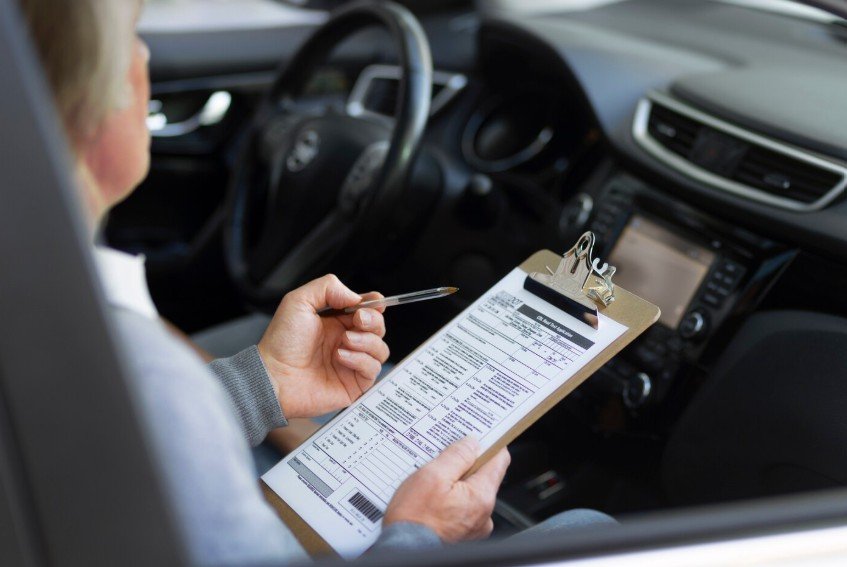
Many first-time applicants feel nervous about licensing exams, but thorough preparation greatly increases confidence. The written knowledge test evaluates understanding of traffic laws, road signs, and safe driving practices. Consistent studying, reviewing official materials, and completing practice exams help reinforce important concepts before test day.
The road test focuses on demonstrating practical driving skills under the observation of a licensing examiner. Examiners typically evaluate vehicle control, adherence to traffic laws, awareness of surroundings, parking ability, lane changes, turning techniques, and overall safety.
Before the road test, applicants should practice the specific skills commonly evaluated during examinations. Becoming comfortable with parallel parking, three-point turns, proper signaling, complete stops, and observing speed limits helps reduce mistakes caused by nervousness.
It is equally important to ensure the test vehicle is safe and properly maintained. Functioning lights, brakes, mirrors, tires, seat belts, and registration documents are often required before testing begins. Verifying these details beforehand prevents avoidable complications.
Adopt Safe Driving Habits From the Start
Receiving a driver’s license marks the beginning of lifelong learning rather than the end of driver education. Developing safe habits early helps reduce accidents while building confidence through experience.
Avoiding distractions remains one of the most important responsibilities for every driver. Keeping full attention on the road allows quicker reactions to changing traffic conditions and unexpected hazards. Even brief distractions can significantly increase accident risk.
Responsible drivers also understand the importance of managing emotions while driving. Frustration, impatience, and aggressive behavior often lead to poor decisions. Staying calm, allowing extra travel time, and respecting other drivers contribute to safer roads for everyone.
Regular vehicle maintenance should become part of every driver’s routine. Checking tire pressure, monitoring fluid levels, inspecting brakes, and keeping lights in working condition improve both safety and vehicle performance. Understanding basic maintenance also helps prevent unexpected mechanical problems.
Weather conditions require additional caution. Rain, snow, fog, and strong winds reduce visibility and traction, making defensive driving even more essential. Adjusting speed, increasing following distance, and remaining alert help drivers navigate difficult conditions safely.
Night driving also requires extra awareness around stopped tow trucks and roadside recovery scenes. Understanding how warning lights help tow drivers stay safe at night reminds new drivers to reduce their speed, move over when required, and leave enough space for roadside workers to operate safely.
Finally, continue learning after receiving your license. Every driving experience offers opportunities to improve observation skills, decision-making, and confidence. Safe driving develops through consistent practice and a commitment to responsible behavior throughout life.
Conclusion
Preparing for your first driver’s license involves much more than passing a test. Understanding licensing requirements, learning traffic laws, practicing consistently, and developing safe driving habits create the foundation for confident and responsible driving. By investing time in proper preparation and continuing to build your skills after earning your license, you can enjoy greater independence while helping keep yourself and others safe on the road.