
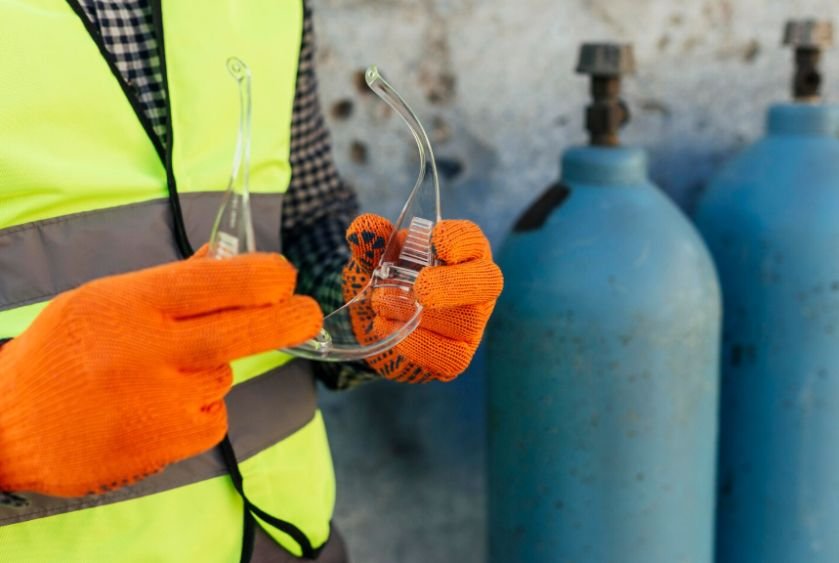
Gas leak detection is an essential safety measure across numerous industries and residential settings. The presence of gas leaks can pose significant health risks, cause environmental damage, and potentially lead to catastrophic explosions. Therefore, the implementation of reliable and accurate detection techniques is critical for preventing hazards and ensuring safety.
Importance of Gas Leak Detection
Gas leaks often occur unnoticed due to the colorless and odourless nature of many gases. Early identification is vital to mitigate risks to human health and property. In industrial environments, undetected leaks can result in downtime, financial losses, and regulatory penalties. Residential gas leaks, meanwhile, may lead to poisoning or fire hazards.
This is why every property should have a safety check to identify gas leaks and other hidden hazards before they place occupants or buildings at risk.
Consequently, effective gas leak detection techniques are integral components of safety management systems.
Common Types of Gases Requiring Detection
Many gases require monitoring due to their potential hazards. These include natural gas (methane), propane, hydrogen, carbon monoxide, and volatile organic compounds (VOCs).Each gas exhibits different physical and chemical properties, influencing the appropriate detection methods. Addressing these variations is a core consideration when selecting detection technology.
Principles of Gas Leak Detection
Gas leak detection methods are based on identifying changes in gas concentration within an environment. Sensors and detection instruments measure variations in gas properties such as concentration, pressure, or spectral absorption. Techniques may be classified into active detection, which involves injecting a tracer and monitoring its presence, and passive detection, which relies on sensors to detect gas naturally present in the atmosphere.
Tracer Gas Detection
One of the most reliable techniques for pinpointing gas leaks is the use of tracer gas detection. This process involves introducing a harmless gas, often helium or a specific mixture, into a system and monitoring for its escape from potential leak points. This method facilitates precise localisation of leaks, including those that might be difficult to identify using conventional techniques.
An excellent example of this is gas leak detection services that employ tracer gases to detect leaks in underground pipes and other concealed infrastructure. These procedures are particularly valuable in urban environments where gas pipelines are buried and inaccessible.
Electronic Gas Detectors
Electronic gas detectors are widely used across various sectors due to their sensitivity and real-time detection capabilities. These devices commonly employ technologies such as catalytic combustion sensors, electrochemical sensors, and infrared sensors. Each type exhibits specific advantages depending on the target gas and environment.
Catalytic combustion sensors operate by oxidising combustible gases, resulting in a change in electrical resistance that is measured to determine gas concentration. Electrochemical sensors, on the other hand, detect toxic gases such as carbon monoxide by generating an electrical current proportional to the gas concentration. Infrared sensors detect gases by measuring the absorption of infrared light at specific wavelengths, making them suitable for detecting hydrocarbons and carbon dioxide.
Ultrasonic Gas Leak Detectors
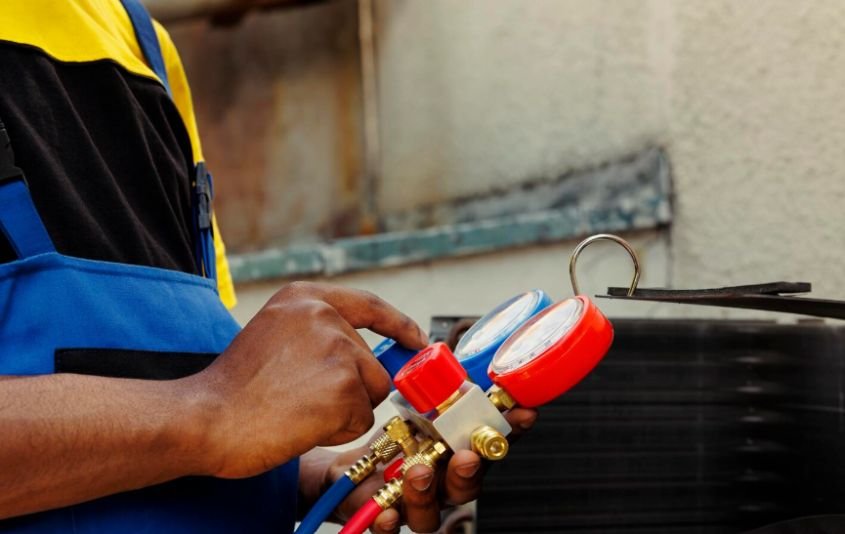
Ultrasonic gas leak detectors employ a different detection principle based on the sound generated by escaping gas under pressure. As gas leaks through small openings, it produces ultrasonic sound waves beyond the range of human hearing. Specialized ultrasonic sensors pick up these waves and quantify the presence and severity of leaks.
This technology is effective in noisy industrial environments where traditional gas detection might be impaired. Ultrasonic detectors provide the advantage of locating leaks without requiring direct exposure to hazardous gases, enhancing operator safety.
Infrared Imaging
Infrared (IR) imaging technology has emerged as a powerful visual tool for detecting gas leaks. IR cameras detect the unique spectral absorption characteristics of different gases and generate images that highlight leak locations and intensities. This method allows for remote sensing and rapid scanning of extensive areas.
Due to its non-invasive and non-contact nature, infrared imaging is well-suited for inspecting pipelines, storage tanks, and industrial installations. It enables inspectors to identify leaks quickly and with minimal disruption to operations.
Manual Detection Methods
Manual techniques for gas leak detection include the use of soapy water or other bubble-forming solutions applied to suspected leak points. The formation of bubbles indicates gas escaping through fissures or fittings. Although simple and low-cost, these methods are more suitable for small-scale applications and less effective for concealed or large-area leak detection.
Additionally, combustible gas detectors and hand-held sensors may be used by trained personnel to survey areas prone to leaks. These portable devices allow for spot checks and confirmatory testing but are generally less comprehensive than fixed detection systems.
Fixed Versus Portable Detection Systems
Gas leak detection systems are available in fixed and portable configurations. Fixed systems provide continuous monitoring at strategic locations, transmitting alerts in real time when gas concentrations exceed preset thresholds. These are essential in hazardous areas where early warning is critical.
Portable systems offer flexibility and mobility for inspections over varied locations or during maintenance activities. Each configuration serves complementary roles within comprehensive gas safety protocols.
Regulatory Standards and Compliance
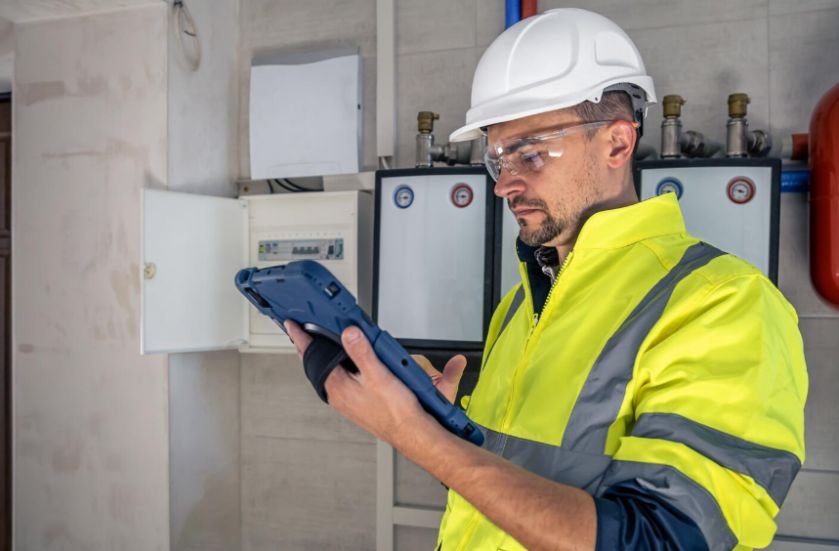
Compliance with regulatory requirements is a pivotal factor in selecting and implementing gas leak detection techniques. Standards established by organisations such as the British Standards Institution (BSI), Health and Safety Executive (HSE), and international bodies dictate the design, installation, and performance criteria for detection systems.
Adhering to these regulations ensures legal compliance, reduces liability, and enhances workplace safety. Furthermore, certification and calibration of detection devices are necessary to maintain accuracy and reliability over time.
Integration with Safety Systems
Modern gas leak detection solutions are often integrated with broader safety management systems, including alarm systems, ventilation controls, and emergency shutdown mechanisms. Such integration facilitates automated responses to detected leaks, minimising human intervention and accelerating risk mitigation.
When designing or renovating workspaces, incorporating modern home office design ideas for any space alongside essential safety measures helps create an environment that is both functional and secure.
Challenges in Gas Leak Detection
Despite advancements, gas leak detection remains challenging in some contexts. Factors such as environmental conditions, interference from other gases, and accessibility issues can affect detection accuracy. For example, leakage through underground infrastructure requires specialised methods like tracer gas detection to overcome ambient contamination and access limitations.
Emerging Technologies
Research into novel materials and sensor technologies continues to improve gas detection capabilities. Developments include nanomaterial-based sensors, wireless sensor networks, and artificial intelligence-driven data analysis. These innovations promise enhanced sensitivity, real-time analytics, and predictive maintenance capabilities.
Conclusion
Effective gas leak detection is a crucial component of health, safety, and environmental protection in various sectors. The selection of appropriate detection techniques depends on factors such as the type of gas, environment, regulatory requirements, and operational needs. Methods such as gas leak detection using tracer gases, electronic detectors, ultrasonic sensors, and infrared imaging provide reliable means to identify and locate leaks accurately.
Integrating these technologies within comprehensive safety programmes ensures rapid response, reduces risks, and maintains compliance for organisations and property owners concerned with gas safety.