
When travelers look back on their favorite vacations, they rarely reminisce about the size of the hotel television or the style of the dressers. Instead, they remember the moments that made them smile, sweat, or unwind. They remember teaching their child how to play paddle tennis at sunset, the guided morning nature hike, or the relaxing afternoon spent lounging by a beautifully designed pool.
In the modern hospitality industry, a clean room and a comfortable bed are no longer differentiators—they are the bare minimum. To truly stand out, properties must focus on what guests do outside of their rooms.
Recreation is the secret weapon of guest satisfaction. By shifting your focus from standard lodging to curated experiences, you can transform a simple overnight stay into a lifelong memory.
How Recreation Directly Impacts the Guest Experience
Recreation enhances the guest experience by turning a passive overnight stay into an active, engaging journey. Providing on-site activities creates a strong emotional connection between the guest and the property, which directly boosts online reviews, extends the average length of stay, and drives repeat bookings.
When guests have access to high-quality recreational activities, their perception of value changes. They no longer view your property as just a place to sleep; they view it as a destination. This mental shift alters key guest satisfaction metrics and fundamentally changes how they talk about your brand to friends and family.
Shifting from Simple Lodging to Experiential Travel
The modern traveler is actively searching for experiences over physical things. Whether they are traveling for business, a family vacation, or a solo retreat, people want to stay at places that offer an escape from their daily routines.
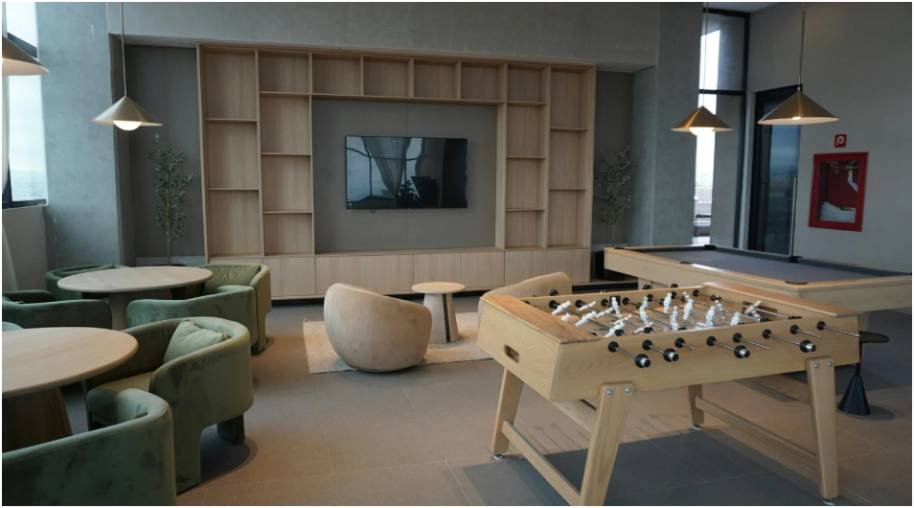
This behavior has drastically altered modern hotel amenity trends. Traditional spaces like generic, windowless fitness centers are being replaced by dynamic outdoor fitness zones, multi-sport courts, and communal game areas.
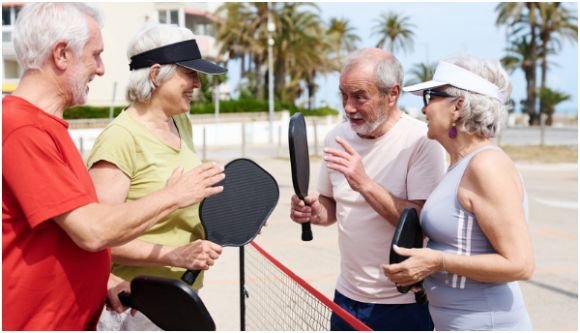
When a property offers robust recreation, it caters to the human desire for play and connection. A guest who spends an hour playing pickleball or renting a kayak on-site is significantly more engaged with your brand than a guest who simply streams a movie in their room.
The Financial Return of On-Site Recreation
Investing in recreational facilities is not just about making guests happy; it is an incredibly effective strategy for maximizing resort revenue. Understanding why shared commercial building infrastructure matters can also help property owners design amenities, utilities, and common spaces that support multiple guest services efficiently.
Recreational activities keep guests on your property longer. When a family stays on-site to play a round of mini-golf or use the sports courts, they are also highly likely to purchase lunch at your patio restaurant, buy drinks from the lounge, or pick up merchandise from the gift shop.
Furthermore, premium recreational amenities allow properties to command higher average daily rates (ADR). Travelers are consistently willing to pay a premium for resorts and hotels that offer built-in entertainment options, saving them the hassle of booking third-party excursions.
Premium Sports Facilities: A Magnet for Modern Travelers
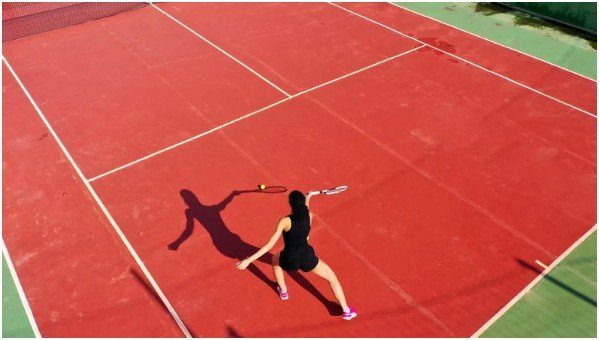
Among all recreational offerings, high-quality sports infrastructure provides some of the highest engagement rates. Racquet sports, in particular, have seen a massive surge in popularity among travelers of all ages.
Whether a guest wants an early morning match or a casual family hit, the physical condition of your sports infrastructure speaks volumes about your brand’s commitment to quality. If you manage a destination property or a boutique resort, cutting corners on court maintenance leads to safety hazards and poor reviews. For properties looking to install or restore athletic amenities, partnering with specialized providers for tennis court surfacing in Utah ensures a professional-grade finish that withstands both heavy use and changing weather conditions.
A flawless, brightly colored court looks beautiful in marketing photography and invites guests to step outside and play. The visual appeal of premium recreational facilities acts as a silent salesperson on your website and social media channels.
Common Mistakes Properties Make with Recreational Spaces
Get your home ready for the holidays for your guests, but while adding recreation is highly beneficial, many hospitality businesses fall into common traps that minimize their return on investment:
- The “Build It and Forget It” Approach: Installing a beautiful amenity but failing to maintain it. A cracked basketball court, flat volleyballs, or broken pool toys send a message of neglect to your guests.
- Ignoring the Target Demographic: Installing a high-intensity, concrete skatepark at a quiet, adult-only wellness retreat doesn’t make sense. Match your recreational offerings to the exact demographic of your primary guests.
- Poor Signage and Accessibility: If guests don’t know an amenity exists, or if borrowing equipment requires a complicated, multi-step process at the front desk, they simply won’t use it. Make fun easy to access.
Myth vs. Fact: Hospitality Recreation
- Myth: Only massive, luxury resorts need to offer recreational amenities.
- Fact: Small boutique hotels, bed and breakfasts, and even suburban business hotels can benefit immensely from scaled recreation. Even a single premium fire pit with lawn games can completely alter the evening atmosphere of a property.
- Myth: Recreation is only a seasonal driver of business.
- Fact: While outdoor sports thrive in the summer, successful properties adapt their strategy for colder months by introducing indoor game rooms, heated wellness spaces, or structured winter activities like snowshoe rentals.
Quick Checklist for Optimizing Your Property’s Recreation Strategy
If you want to evaluate your property’s current recreational footprint, use this quick diagnostic checklist to find areas for improvement:
[ ] Visual Appeal: Do your outdoor recreational areas look modern, clean, and inviting from a distance?
[ ] Ease of Use: Is it clear to guests how they can access equipment (rackets, balls, bikes) without friction?
[ ] Photo-Worthiness: Are your recreational spaces aesthetically pleasing enough that guests want to take photos and tag your property on social media?
[ ] Demographic Alignment: Do your activities mirror the interests of your actual customer base?
Frequently Asked Questions
How do we choose the right recreational amenities for a limited space? Focus on multi-functional spaces. A single, well-surfaced concrete pad can be lined to host both pickleball and basketball. Similarly, lawn spaces can host yoga in the morning and giant chess or cornhole in the afternoon.
How do we measure the success of our recreational offerings? Track usage rates by monitoring equipment checkout logs or observing traffic patterns during peak hours. Additionally, look closely at your online reviews. If guests regularly mention specific activities or facilities in their five-star write-ups, your recreation strategy is working.
Conclusion
At its core, hospitality is about how you make people feel. While a clean room provides comfort, it is recreation that provides joy, connection, and excitement. By intentionally designing, maintaining, and promoting high-quality recreational spaces, you elevate your property above the competition. You give your guests a compelling reason to step outside, engage with your brand, and ultimately return year after year.