
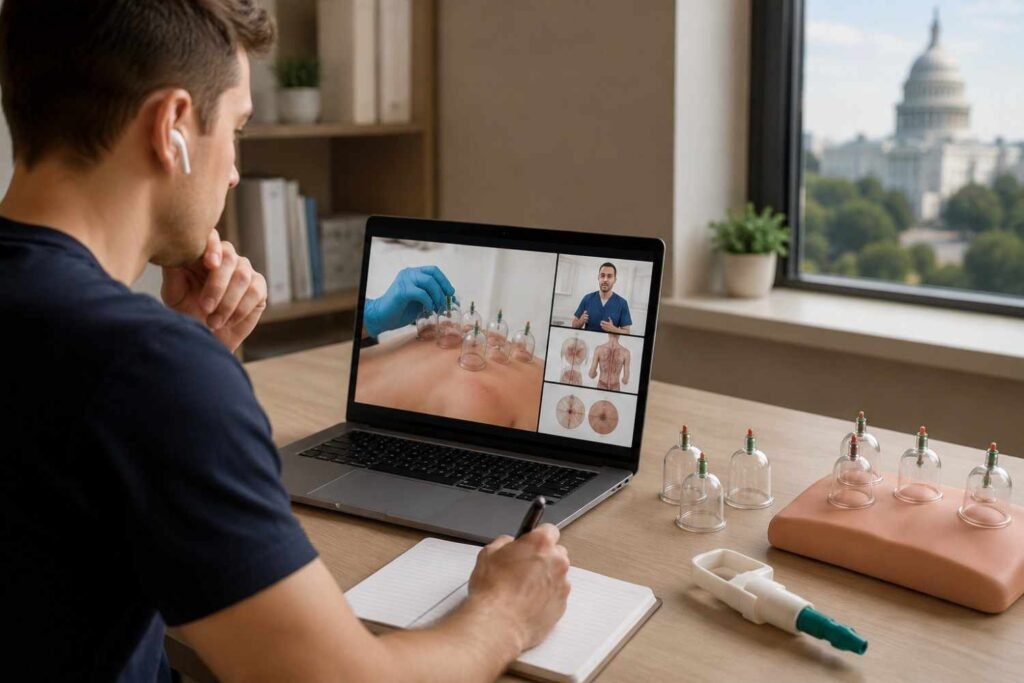
Hijama, commonly known as wet cupping therapy, has been practised for centuries as a traditional healing method. This therapeutic technique involves creating suction on the skin using cups to mobilise blood flow and facilitate healing. In recent years, the demand for professional hijama practitioners has increased, prompting many to seek formalised training. For those keen to master this therapy, enrolling in an online hijama course provides a convenient and effective pathway.
Understanding Hijama Therapy
Hijama therapy is a form of bloodletting originally rooted in prophetic medicine but now recognised globally for its health benefits. The treatment is often used to address various ailments such as pain management, detoxification, and improving circulation. Practitioners use cups, sometimes heated or attached to suction devices, to draw blood to the surface of the skin, followed by superficial incisions to release it.
The Importance of Proper Training

Given the medical implications involved in wet cupping therapy, comprehensive training is essential. Proper knowledge ensures patient safety, hygienic practices, accurate cup placement, and the correct depth of incisions. Lack of adequate training increases risks such as infections, excessive bleeding, or improper technique, undermining the therapy’s effectiveness and compromising patient safety.
Advantages of Choosing an Online Hijama Course
The evolution of digital learning platforms has made specialized courses more accessible. Engaging in an online hijama course has multiple benefits that traditional in-person training may not offer. Firstly, it provides flexibility, allowing learners to study at their own pace and revisit materials as needed. This is particularly useful for healthcare professionals or individuals balancing other responsibilities.
Secondly, online courses often offer a structured curriculum that combines theoretical knowledge with practical demonstrations through videos and interactive content. This approach reinforces understanding and skill acquisition. Additionally, many courses provide certification upon completion, enhancing credibility and employability in the healthcare or complementary therapy sectors.
Course Curriculum and Content
A well-designed online hijama course covers multiple facets of hijama therapy. Core topics typically include the history and principles of hijama, anatomical knowledge relevant to cupping sites, contraindications, hygiene protocols, and aftercare procedures. The course also instructs on types of cups used, suction methods, and differences between dry and wet cupping.
Practical modules include demonstrations on correct cup placement, techniques for making incisions safely, and managing adverse reactions. This comprehensive approach ensures learners are not only knowledgeable but also confident in performing hijama therapy competently.
Who Should Take an Online Hijama Course?

Various individuals may benefit from online hijama training. Healthcare practitioners such as physiotherapists, chiropractors, and nurses can complement their services with hijama therapy. Complementary and alternative medicine practitioners often expand their skill set by including cupping techniques.
Additionally, people interested in holistic health, self-care, and daily practices for healthy aging might pursue training to apply hijama techniques safely on family members or within community settings. The accessibility of online learning enables individuals worldwide to enhance their health services or knowledge without geographical constraints.
Accreditation and Certification
When selecting an online hijama course, ensuring the provider delivers an accredited certification is crucial. Accredited courses comply with health and safety standards and provide recognized documentation of competency. This can be critical for legal compliance and professional practice in certain jurisdictions.
Successful completion of the course often involves assessments through quizzes, practical assignments, or examinations. Certification serves as proof of expertise and can improve a practitioner’s reputation and client trust.
Safety and Hygiene in Hijama Practice
In hijama therapy, hygiene is paramount to prevent infection and other complications. Online courses extensively cover sterilisation techniques, use of disposable needles, appropriate cleaning of equipment, and personal protective measures. Such knowledge is essential to safeguard both practitioner and patient during therapy.
Proper disposal of sharps and biohazardous waste is another critical area addressed in training. Learners gain an understanding of medical waste regulations and the importance of responsible practice in clinical environments.
Integrating Hijama Therapy into Professional Practice
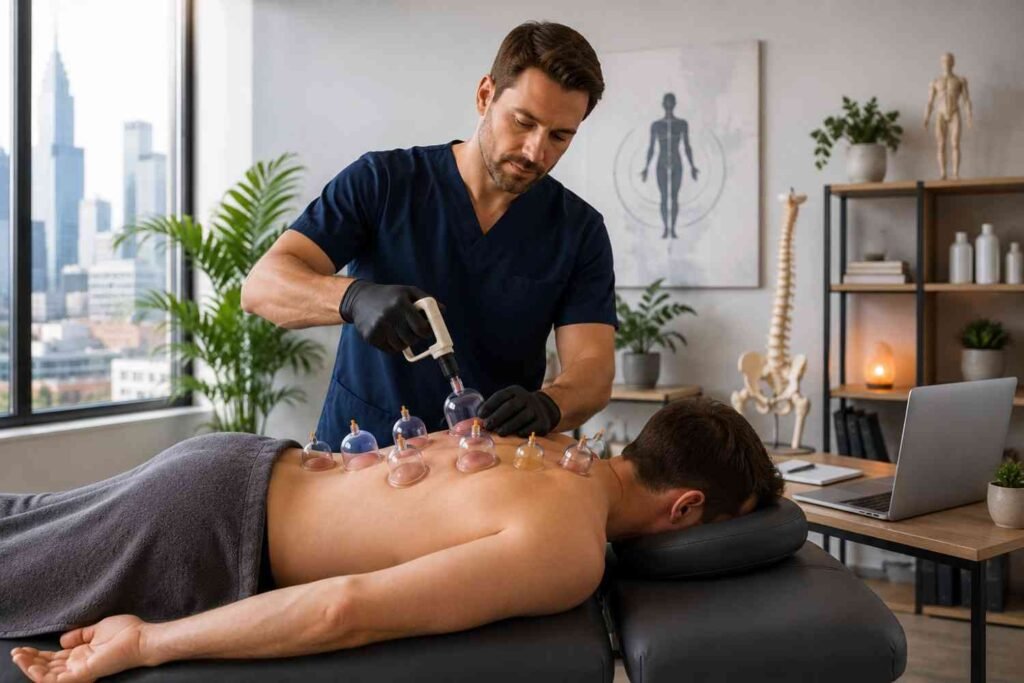
Practitioners who complete an online hijama course may integrate this therapy into their existing services, providing a holistic approach to patient care. This integration can differentiate their practice, offer new revenue streams, and enhance patient satisfaction.
Furthermore, hijama therapy can be applied alongside other treatments such as massage therapy, acupuncture, or physiotherapy. Knowledge from the course enables practitioners to assess when hijama is suitable and to combine it effectively with other modalities.
Cost Effectiveness and Accessibility
Online training often reduces costs associated with travel, accommodation, and time away from work. Courses are usually competitively priced and may offer payment plans or discounts. This affordability can encourage wider uptake and enable more practitioners to offer high-quality hijama services.
Accessibility is another advantage; learners from remote areas or those with busy schedules can access the course material anytime, anywhere. This widespread availability contributes to raising the standard and awareness of hijama therapy globally.
Technical Requirements for Online Learning
To participate effectively in an online hijama course, learners require basic technology such as a computer or tablet with a reliable internet connection. Many platforms support multiple devices and offer downloadable resources for offline study. User-friendly interfaces and dedicated support services enhance the learning experience.
Conclusion
Hijama therapy remains a valuable physical treatment with growing demand worldwide. Obtaining professional training through an online hijama course offers a comprehensive, flexible, and accessible method to acquire crucial knowledge and skills. Proper education ensures the safe application of therapy, enhances professional opportunities, and contributes to patient well-being.
Overall, online hijama training represents a significant step forward in the evolution of complementary and alternative medicine education, providing high-quality instruction for practitioners and enthusiasts alike.