
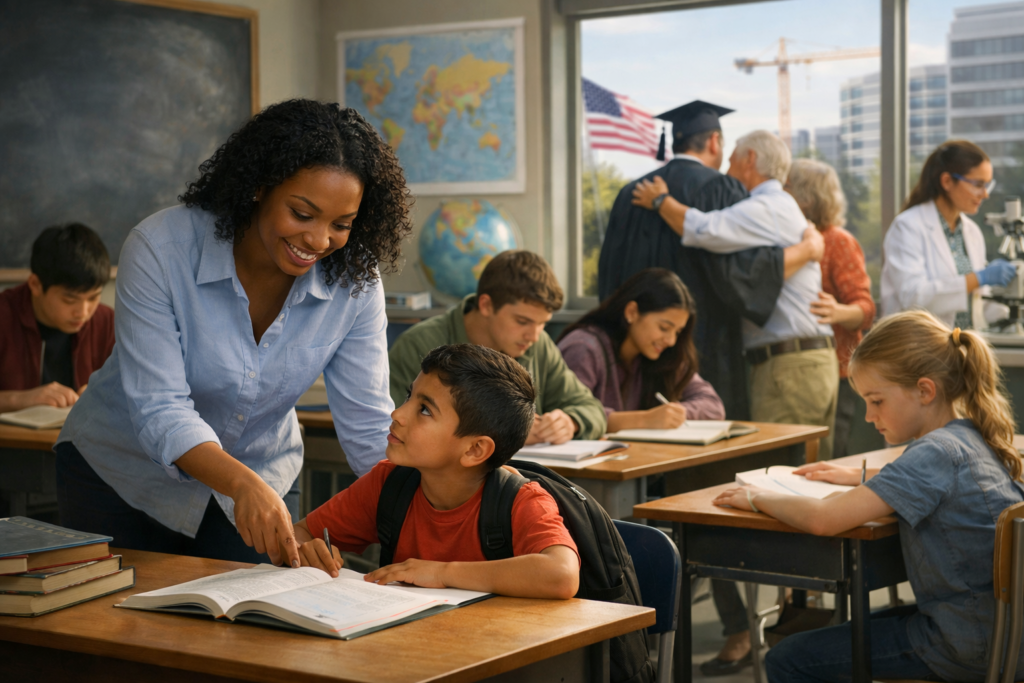
Education has always been a cornerstone of human progress, but in today’s rapidly changing world, its importance has grown even more. With advancements in technology, shifting job markets, and global interconnectedness, learning is no longer limited to childhood or formal schooling. It has become a lifelong necessity that shapes how individuals think, adapt, and succeed.
Education in a Changing World
The modern world is evolving at an unprecedented pace. Automation, artificial intelligence, and digital transformation are reshaping industries and redefining the skills required for success. Jobs that existed a decade ago are disappearing, while new roles are emerging that demand critical thinking, creativity, and digital fluency.
In this environment, education serves as a stabilizing force. It equips individuals with the ability to learn new skills quickly and remain relevant in uncertain times. More importantly, it encourages adaptability—one of the most valuable traits in the 21st century.
Economic Opportunity and Financial Growth

One of the most significant benefits of education is its direct connection to economic opportunity. Higher levels of education often lead to better job prospects, increased income potential, and improved job security. However, education is not limited to traditional degrees; vocational training, certifications, and self-directed learning also play a vital role.
In a competitive global economy, employers increasingly value skills over titles. This shift means that continuous learning has become essential for career advancement. Those who invest in their education are better positioned to navigate economic uncertainty and take advantage of emerging opportunities.
Digital Learning and Access
Technology has transformed how education is delivered. Online platforms, virtual classrooms, and open educational resources have made learning more accessible than ever before. Students no longer need to be physically present in a classroom to gain high-quality instruction.
In places like Utah, initiatives such as free online school in Utah demonstrate how digital education can break down barriers related to geography, cost, and scheduling. This type of flexibility allows students to learn at their own pace while balancing personal responsibilities and other commitments.
Digital education also encourages inclusivity. Learners from different backgrounds can access the same materials, participate in discussions, and develop skills that were once limited to traditional institutions. This democratization of knowledge is one of the most important educational shifts of our time.
Beyond Careers: Personal Development
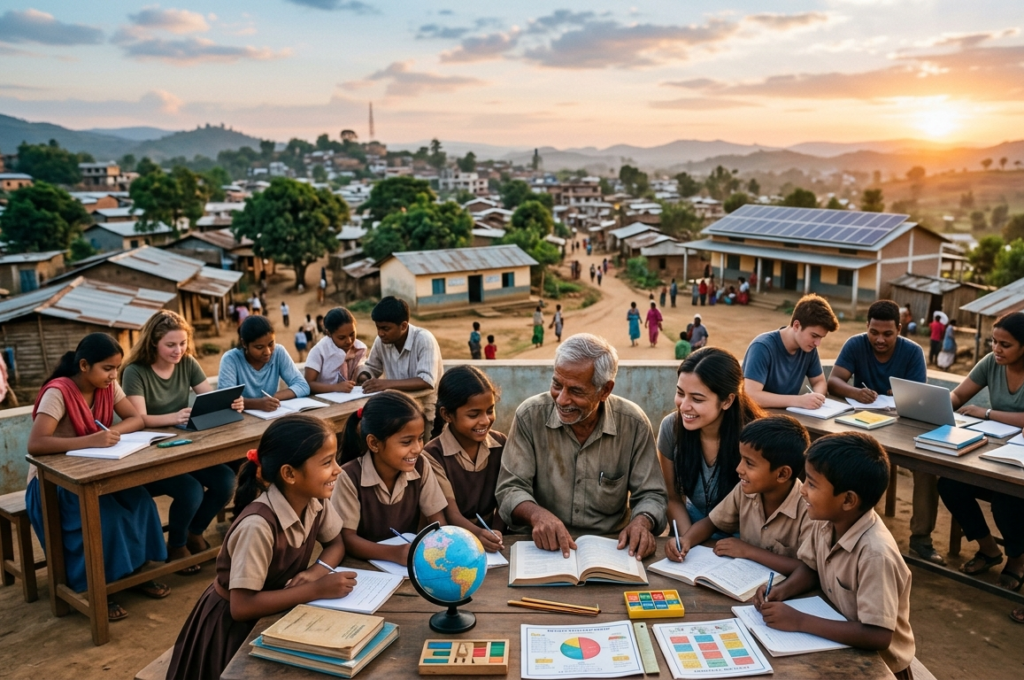
Education is not only about earning a living; it is also about personal growth. It helps individuals develop confidence, discipline, and a sense of purpose. Through learning, people gain a better understanding of themselves and the world around them.
Exposure to diverse subjects encourages curiosity and broadens perspectives. Whether studying science, literature, history, or technology, education fosters critical thinking and empathy. These qualities are essential for building meaningful relationships and making informed decisions in everyday life.
Education and Society
A well-educated society is more stable, innovative, and resilient. Education promotes civic awareness, enabling individuals to participate more effectively in democratic processes and community development. It also helps reduce inequality by providing people with the tools they need to improve their circumstances.
When education is accessible and inclusive, it strengthens entire communities. People are better equipped to solve problems, support one another, and contribute to collective progress. In this way, education becomes a shared foundation for social well-being.
Lifelong Learning and the Future

The concept of education has shifted from a fixed phase of life to an ongoing journey. Lifelong learning is now essential for staying relevant in a constantly evolving world. Whether through formal programs, online courses, or self-study, individuals must continuously update their knowledge and skills.
This mindset also encourages resilience. Instead of fearing change, lifelong learners see it as an opportunity for growth. They are more prepared to adapt to new technologies, industries, and global challenges.
In Conclusion
Education matters more than ever because it empowers individuals to navigate complexity, seize opportunities, and contribute meaningfully to society. It is the foundation of economic mobility, personal development, and social progress. Understanding concepts like the Key Features of an Effective Startup also shows how education supports innovation, leadership, adaptability, and long-term business success in today’s competitive world.
As the world continues to evolve, the value of education will only increase. Those who embrace learning—at every stage of life—will be better equipped to shape their futures and positively influence the world around them.