
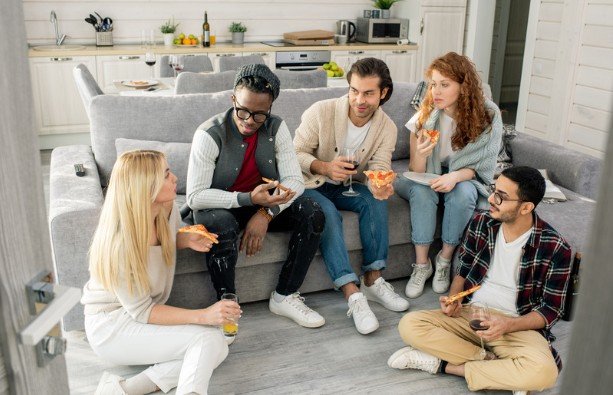
Community spaces are the heartbeat of any neighborhood, apartment complex, or commercial property. People naturally gravitate toward environments that feel welcoming, comfortable, and thoughtfully designed. When a common area lacks adequate seating, shade, or engaging amenities, it often sits empty. Revamping these social zones encourages interaction, improves property value, and builds a stronger sense of community among residents.
Upgrading a shared space requires a strategic approach. Property managers and homeowners associations must balance aesthetics with long-term durability. The primary goal involves creating an inviting atmosphere that accommodates a wide range of activities, from quiet morning coffees to energetic weekend gatherings.
By evaluating how people currently interact with the environment, you can make targeted improvements that deliver an immediate impact. Let’s look at several actionable ways to transform your shared environments into thriving, highly utilized social hubs.
Assess the Current Layout and Usage
Before purchasing new furniture or breaking ground on an expansion, take time to observe how residents currently use the area. Are they seeking shade during the afternoon heat? Do teenagers need a safe place to burn off energy after school? Gathering feedback directly from the community ensures your investment aligns with their actual needs.
Surveying residents or tenants can reveal surprising insights. You might discover that families want a safe toddler play area, while young professionals are looking for outdoor workbenches with Wi-Fi access. Tailoring the layout to the specific demographics of your community is the first critical step toward a successful renovation.
Implement Versatile Seating Options
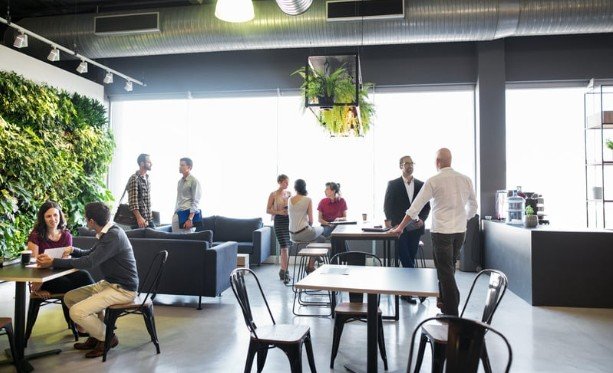
Rigid, uniform benches rarely invite people to linger. Instead, incorporate a diverse mix of seating styles to accommodate different group sizes and personal preferences. Modular outdoor sofas, sturdy picnic tables, and movable lounge chairs give users the flexibility to create their own cozy corners.
Select weather-resistant materials that can withstand heavy use while maintaining their visual appeal. Powder-coated aluminum, recycled plastic lumber, and treated teak are excellent choices for outdoor durability. Providing seating arrangements that face each other naturally encourages conversation and prolonged social interaction.
Introduce Dynamic Recreational Amenities
Social spaces thrive when they offer active entertainment options. Adding sports facilities or casual game areas provides a central gathering point for residents of all ages. You might consider installing a communal fire pit, a bocce ball court, or even a multi-use sports surface that accommodates tennis and pickleball.
If you decide to add a larger athletic feature, partnering with a reliable professional is crucial to ensure longevity and safety. For instance, hiring a reputable basketball court contractor in Utah ensures the concrete is poured correctly and the surfacing materials can endure harsh seasonal weather changes. High-quality recreational additions significantly boost property appeal and keep residents active.
Elevate the Lighting Design
Proper illumination extends the usability of your common areas well into the evening hours. Harsh, bright floodlights often create an uninviting, clinical atmosphere that drives people away. Swap them out for warm, layered lighting that feels cozy and residential.
String lights draped across pergolas, pathway lanterns guiding foot traffic, and subtle up-lighting on prominent trees create a magical, welcoming environment after the sun goes down. Good lighting also serves a highly practical purpose. It improves overall property safety, significantly reduces trip hazards, and deters unwanted late-night activity.
Add Lush Greenery and Shade Structures
A barren concrete patio rarely feels like a social destination. Integrating natural elements softens the hardscape and provides much-needed relief from the sun. Large planters filled with native shrubs require minimal maintenance while adding vibrant, seasonal color to the area.
If mature trees are sparse on your property, consider erecting a stylish pergola, a wooden gazebo, or installing large cantilever umbrellas. Shade structures make the area highly usable during the hottest parts of the day. They also offer a distinct architectural feature that anchors the entire design.
Upgrade the Flooring and Surfaces
Cracked concrete and worn-out, muddy grass detract from the overall community experience. Upgrading the ground surface instantly modernizes the entire space. Options like stamped concrete, interlocking stone pavers, or high-quality artificial turf provide a clean, polished look that requires very little upkeep.
Artificial turf is particularly popular in pet-friendly communities or high-traffic areas because it stays perfectly green year-round and requires zero watering, weeding, or mowing, just as digital nomad tools to travel make it easier to work remotely while maintaining flexibility and productivity on the go.
Create Distinct Activity Zones
Large, open spaces can feel overwhelming if they lack structure and purpose. Breaking the area into smaller, intentional zones helps accommodate multiple groups simultaneously without them feeling crowded.
You can design a quiet reading nook surrounded by hedges in one corner, a bustling grilling station in the center, and an active play area on the opposite side. Use subtle visual cues like changes in paving materials, outdoor rugs, or strategically placed planters to define these distinct sections without building physical walls.
Transforming Shared Spaces into True Communities
Investing in your common areas pays continuous dividends in resident happiness, tenant retention, and overall property appeal. A well-designed social space fosters authentic connections, encourages healthy outdoor activity, and turns passing neighbors into lifelong friends.
By focusing on comfortable seating, engaging amenities, and welcoming lighting, you can breathe new life into an underutilized plot of land. Start by tackling one or two manageable upgrades, observe how the community responds, and continue refining the environment until it perfectly serves the people who call it home.