
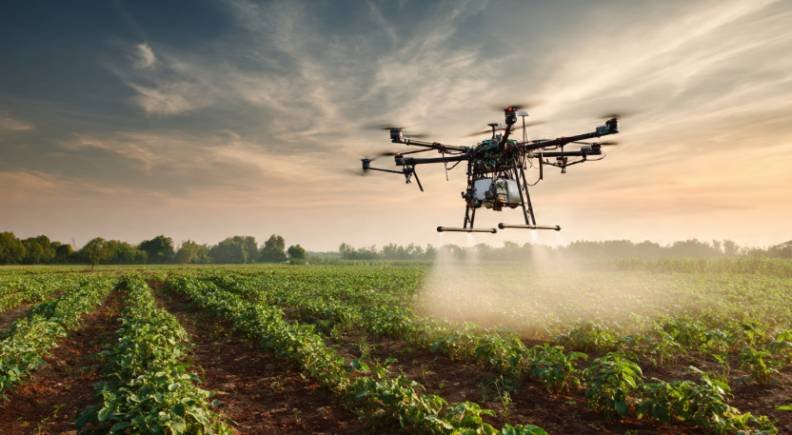
Farming has always been the backbone of human civilization. For centuries, a successful harvest depended entirely on manual labor, unpredictable weather patterns, and generations of intuition. Now, technology is completely reshaping how food is grown, managed, and harvested across the globe.
The Rise of Precision Agriculture
Precision agriculture completely removes the guesswork from farming. Instead of treating an entire field uniformly, farmers use advanced technology to manage variations within the field itself. Tractors equipped with sophisticated GPS technology can navigate rows of crops with millimeter accuracy. Meanwhile, underground sensors monitor soil moisture, temperature, and nutrient levels in real time.
This constant flow of data allows farmers to make highly informed decisions about planting and harvesting. Creating these sophisticated tools requires exact manufacturing standards. For instance, producing the complex metal components found in modern agricultural sensors and automated planters often relies on CNC milling services to ensure absolute accuracy. This high level of manufacturing guarantees that farming equipment can withstand harsh field conditions while continually collecting reliable data.
Automation and Robotics in the Field
Labor shortages present a constant struggle for the agricultural sector. Finding workers to perform physically demanding tasks during narrow harvesting windows is incredibly difficult. Automated machinery offers a practical, highly effective solution to this ongoing problem.
Robotic harvesters use advanced computer vision to identify ripe produce and pick delicate fruits without causing damage. Autonomous tractors can plow, seed, and weed fields at any time of day or night, entirely independent of a human driver. These machines handle the repetitive, strenuous tasks seamlessly. As a result, farm workers can shift their focus to broader farm management, equipment maintenance, and strategic planning, significantly boosting overall operational efficiency.
Driving Sustainable Farming Practices
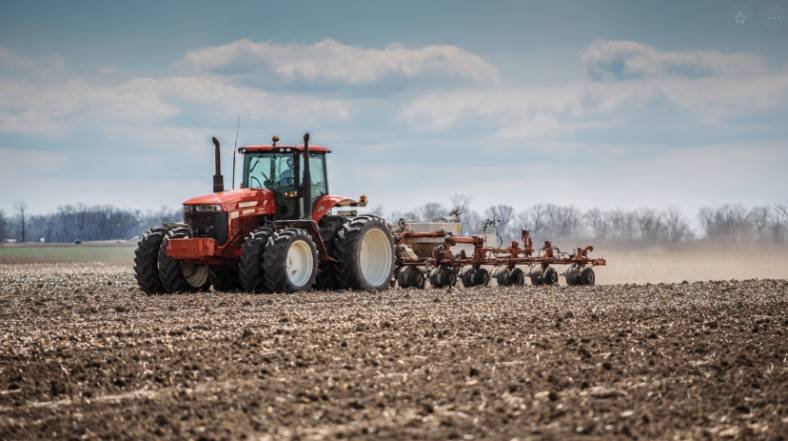
Environmental stewardship is a major priority for modern agricultural operations. Advanced machinery plays a critical role in conserving natural resources and protecting local ecosystems.
Smart irrigation systems represent a major leap forward in water conservation. These systems analyze weather forecasts and soil moisture data to deliver water exclusively where crops need it, preventing massive water waste. Similarly, precision sprayers use artificial intelligence to identify weeds and apply herbicides only to specific plants rather than blanket-spraying entire fields. This highly targeted approach reduces chemical usage, lowers operating costs, and protects nearby water sources from harmful agricultural runoff.
Overcoming Challenges and Looking Ahead
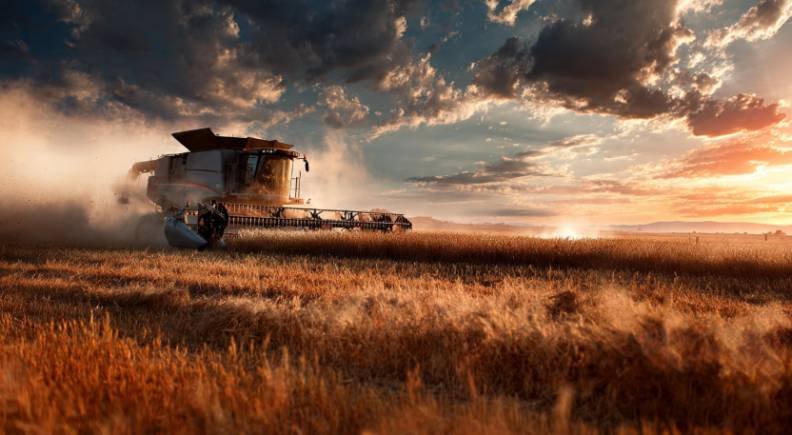
The transition to high-tech farming brings its own set of unique hurdles. The initial cost of purchasing autonomous tractors, drones, and advanced data sensors remains a significant financial barrier, particularly for smaller, family-owned operations. Additionally, maintaining and operating this equipment requires specialized technical training that many traditional farm workers do not yet possess.
Despite these obstacles, the future of agricultural technology looks highly promising. Equipment costs are gradually decreasing as these tools become more widespread and are manufactured at scale. Furthermore, cooperative farming models and equipment leasing programs are emerging, making advanced machinery much more accessible to everyday farmers.
Conclusion
Advanced machinery has proven to be an indispensable asset for the agricultural industry. From precision sensors that monitor soil health to autonomous robots that harvest crops around the clock, these tools are fundamentally securing the global food supply.