
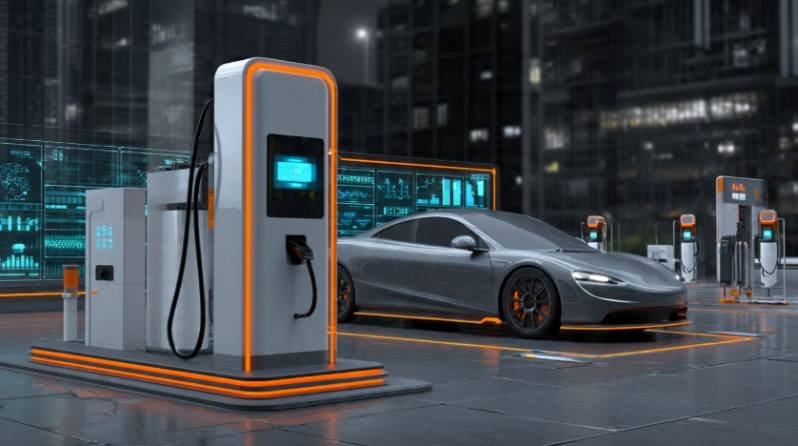
The global transition to electric mobility has reached a critical threshold in 2026, where the primary barrier to adoption is no longer vehicle range, but the speed and availability of charging. As battery capacities have increased, the focus of material science and electrical engineering has shifted toward minimizing “dwell time” at the plug.
The goal is to achieve a charging experience that mirrors the five-minute refueling time of internal combustion vehicles without compromising the long-term health of the battery cells.
This evolution is being driven by a convergence of semiconductor innovation, high-voltage infrastructure upgrades, and the integration of artificial intelligence into energy management systems. The following five trends are currently redefining the performance metrics of the fast-charging ecosystem.
1. Wide Bandgap Semiconductors (GaN and SiC)
The internal efficiency of a charging station is largely determined by its power electronics. For decades, silicon-based components were the standard, but they are increasingly being replaced by Wide Bandgap (WBG) semiconductors, specifically Gallium Nitride (GaN) and Silicon Carbide (SiC). These materials allow electronic components to operate at much higher voltages, temperatures, and frequencies than traditional silicon.
In 2026, SiC has become the industry standard for high-power DC fast chargers. Its superior thermal conductivity allows for much smaller, lighter power modules that generate significantly less heat. This efficiency is critical; as charging speeds move toward 350kW and beyond, even a 1% loss in efficiency results in massive amounts of wasted heat that must be managed by complex cooling systems. By switching to SiC, manufacturers can design sleeker charging stations that deliver more power to the vehicle with fewer cooling requirements.
2. Transition to 800V and 1000V Architectures
Most early electric vehicles operated on a 400V electrical architecture. However, to achieve faster charging without dramatically increasing the weight and thickness of the vehicle’s internal wiring, the industry is moving toward 800V and 1000V systems. By doubling the voltage, the current (amperage) required to deliver the same amount of power is halved, which reduces heat generation and allows for thinner, more flexible charging cables.
This shift requires a total reimagining of the charging infrastructure. To support these ultra-fast speeds at the edge of the grid, charging hubs must manage massive energy transfers. Within these high-capacity stations, the role of power conversion is paramount. A grid-connected high-voltage transformer is essential for stepping down utility-scale electricity to the precise levels required by DC rectifiers.
These transformers must be engineered for high reliability and efficiency to handle the rapid fluctuations in load as multiple vehicles initiate and terminate high-power charging sessions simultaneously.
3. Solid-State Battery Integration
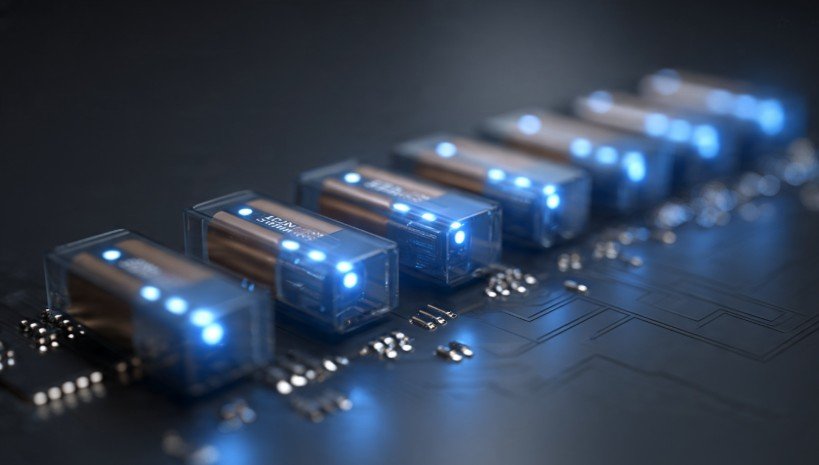
While liquid-electrolyte lithium-ion batteries have been the workhorse of the EV industry, 2026 is seeing the first wave of commercial solid-state battery (SSB) integration. Unlike traditional batteries, SSBs use a solid electrolyte, which is non-flammable and significantly more stable at high temperatures. This stability is a game-changer for fast charging, as it allows the battery to accept high currents without the risk of thermal runaway or the formation of dendrites—microscopic spikes that can cause short circuits.
Solid-state technology allows for “extreme fast charging” (XFC) where a vehicle can reach an 80% charge in under ten minutes. Because the solid electrolyte can withstand higher energy densities, the batteries are also lighter, improving the overall efficiency of the vehicle. As production scales, the combination of SSB technology and high-voltage chargers is expected to eliminate “range anxiety” once and for all by making long-distance travel as seamless as traditional gas-powered transit.
4. AI-Driven Battery Management Systems (BMS)
Charging a battery quickly is a delicate balance of chemical and thermal management. If power is pushed into the cells too fast, it can cause “lithium plating,” which permanently reduces the battery’s capacity. To prevent this, 2026-era vehicles utilize advanced Battery Management Systems (BMS) powered by machine learning algorithms.
These AI-driven systems monitor thousands of data points in real-time—including individual cell temperature, state of charge, and historical degradation patterns—to create a “dynamic charging curve.” Instead of a static power delivery model, the AI communicates with the charger to adjust the flow of electricity millisecond by millisecond. This predictive modeling ensures that the battery stays within its optimal thermal window, maximizing charging speed while preserving the battery’s lifespan over thousands of cycles.
5. Megawatt Charging Systems (MCS) for Heavy-Duty Transport
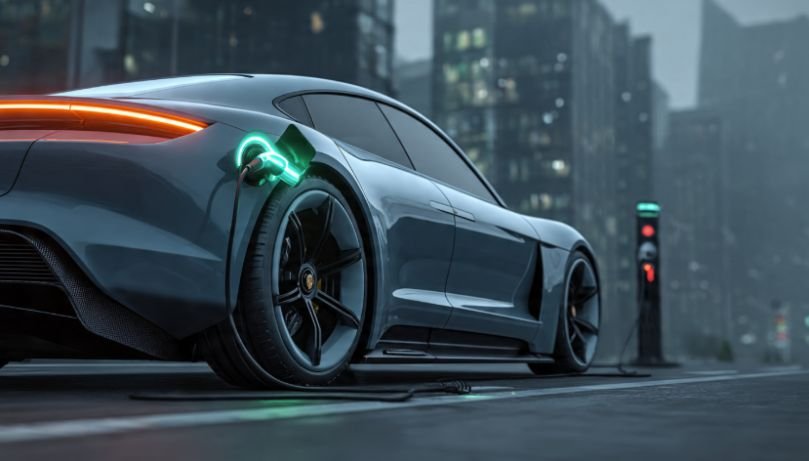
The final frontier of fast charging is the heavy-duty sector, including Class 8 trucks, maritime vessels, and electric aircraft. These vehicles have battery packs significantly larger than those in passenger cars, requiring power levels that would overwhelm standard charging stations. The Megawatt Charging System (MCS) is the new global standard designed to deliver up to 3.75 megawatts of power.
The implementation of MCS involves liquid-cooled cables and connectors that can handle upwards of 3,000 amps. These stations act as mini-substations, often incorporating on-site battery energy storage systems (BESS) to buffer the grid from the massive localized demand. By enabling long-haul trucks to recharge during a mandatory driver rest period, MCS technology is facilitating the electrification of the global logistics chain, a sector previously thought to be too energy-intensive for battery-electric solutions.
For those interested in maximizing efficiency and optimizing charging systems, exploring power management strategies is crucial. Check out these energy management tips to ensure your system runs smoothly and effectively.