
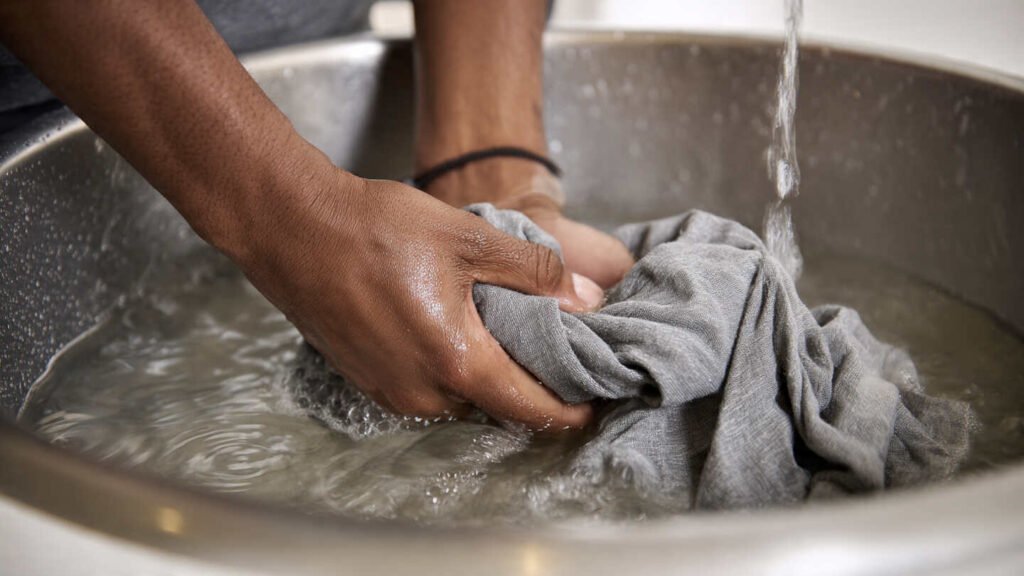
If you’ve ever read the care tag on a favourite sweater or a delicate dress, you know that the “hand wash only” instructions can be a little intimidating. But don’t worry! I’ve been in the same boat, and over the years, I’ve perfected how to hand wash clothes without ruining my favourite pieces. It’s actually a lot simpler than it sounds, and with a few easy steps, you can keep your clothes looking fresh and vibrant for much longer.
In this guide, I’ll walk you through the process of hand washing clothes, from gathering your materials to drying them properly. Whether you’re dealing with delicate fabrics or your favourite wool sweater, these steps will help you preserve your clothes without the hassle of a washing machine.
What Do I Need to Hand Wash Clothes?
Before you start, gather a few essentials to ensure a successful hand-washing session. I recommend using these items for the best results:
- A clean sink or basin: You need a spot where you can submerge your clothes without worrying about contamination.
- Mild detergent: Always use a gentle laundry detergent, especially if you’re washing delicates like wool or silk.
- Cool or lukewarm water: This is typically what most clothes need. Too hot or cold water can damage the fabric.
- Stain remover: Optional, but handy if you need to pre-treat stains before soaking.
- A clean, dry towel: To help absorb excess moisture from your clothes.
Once you have everything ready, let’s get into the process!
How Do I Hand Wash Clothes?
Hand washing clothes isn’t hard, but it does require some attention to detail. Follow these simple steps, and you’ll be a pro in no time!
Step 1: Read the Care Label
Before you even start, check the garment’s care label. It will tell you if there are any special instructions regarding water temperature or if the item is “dry clean only.” If the label is missing, try performing a colourfastness test. Just drop a little detergent and water on an inconspicuous area, blot it, and check if the colour bleeds. If it does, you should avoid washing it yourself.
Step 2: Sort and Pre-Treat Stains
Sort your clothes by color—whites, lights, and darks—to prevent color bleeding. I also make it a habit to turn my clothes inside out to help preserve the fabric’s color and finish. If there are any visible stains, apply a small amount of stain remover, and gently work it into the fabric with your fingers. Let the stain remover sit for a few minutes before moving to the next step.
Step 3: Prepare the Wash Solution
Fill your basin or sink with cool or lukewarm water, depending on the instructions on the care label. I usually add about a teaspoon of detergent for a small sink full of water. Swish the water around with your hands until it’s fully dissolved and the water gets soapy. Be sure to avoid using too much detergent, as it can leave a residue on your clothes.
Step 4: Wash the Clothes
Now comes the fun part—washing! Submerge the clothes in the soapy water and gently swish them around. I avoid scrubbing or twisting the fabric, as this can stretch or damage it. Instead, I focus on gently agitating the water to evenly distribute the detergent. Let the clothes soak for about 10–30 minutes, depending on how dirty they are. For particularly delicate items, I soak them for a shorter period.
Step 5: Rinse Thoroughly
Once your clothes are clean, it’s time to rinse out the detergent. Drain the soapy water and refill your basin with clean, cool water. Submerge the clothes again and gently agitate to rinse out the detergent. Repeat this process until the water runs clear and no suds remain.
Step 6: Remove Excess Water
After rinsing, gently press the clothes against the side of the basin to remove excess water. I never wring or twist my clothes, especially if they’re delicate. Twisting fabric can cause it to lose its shape and elasticity, leading to permanent damage. Instead, I gently squeeze the water out.
Step 7: Dry with Care
The drying process is just as important as the washing. Lay your wet clothes flat on a clean, dry towel. Roll the towel and the garment together, pressing gently to absorb more moisture.
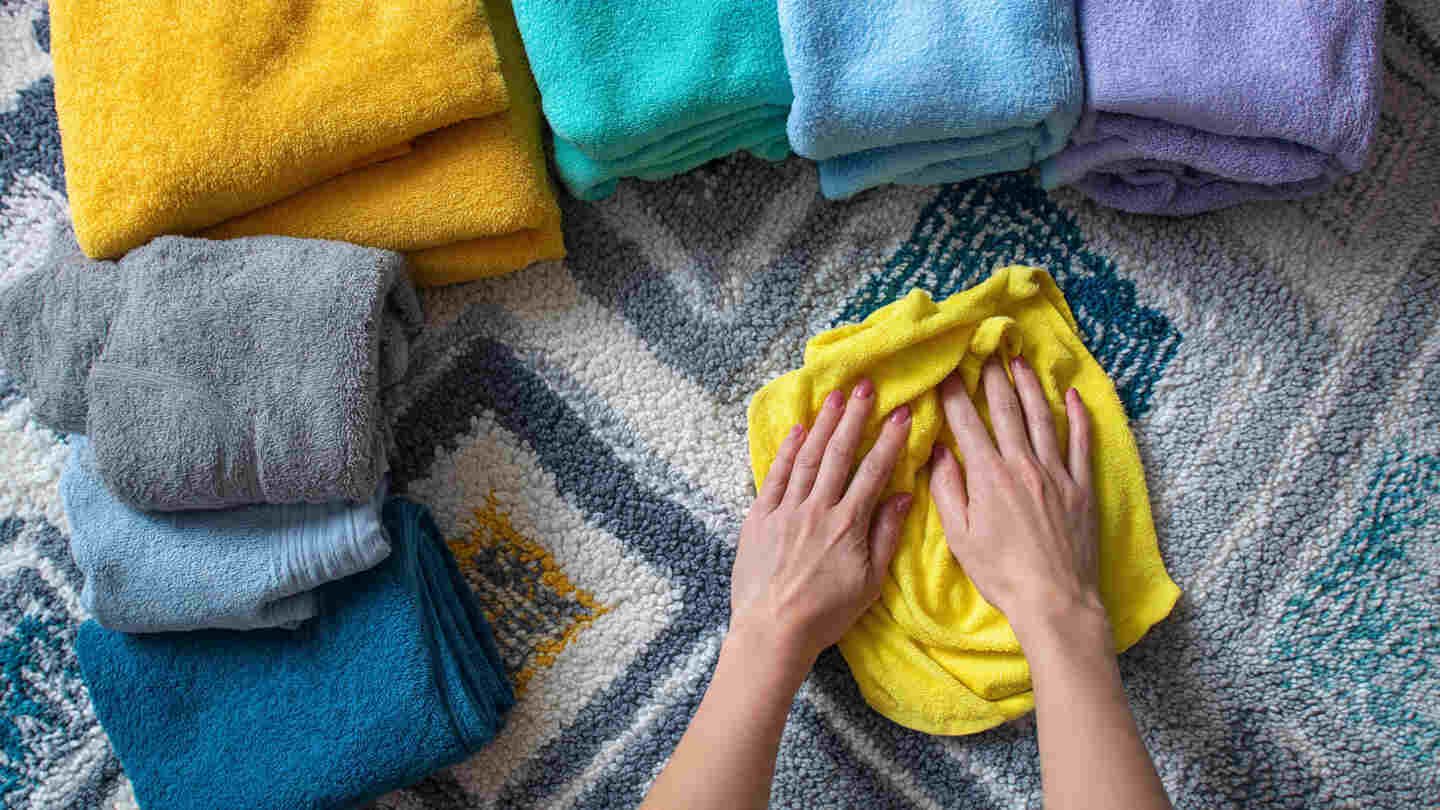
Once you’ve removed most of the water, unroll the towel and lay your clothes flat on a drying rack or hang them up to air dry. Be sure to avoid direct sunlight or heat sources, as these can cause fading or shrinkage. If you’re drying a delicate item, reshape it to its original form while it’s still damp.
FAQ: How to Hand Wash Clothes
1. Can I Hand Wash All Types of Fabric?
You can hand wash most fabrics, but some delicate materials, like silk and cashmere, may require special care. Always check the care label for specific instructions. For more delicate fabrics, it’s best to use a gentle detergent made for that material.
2. How Often Should I Hand Wash My Clothes?
Hand washing isn’t necessary for every load of laundry. You should only hand wash items that are delicate, made of fine fabrics, or marked as “hand wash only.” For regular clothes, a washing machine is more efficient.
3. Can I Use Regular Laundry Detergent for Hand Washing?
I recommend using mild, gentle laundry detergent for hand washing. Regular detergent can be too harsh for delicate fabrics and may leave residue behind. For delicates, look for detergents specifically made for them, like one for wool or silk.
4. How Do I Dry Clothes After Hand Washing?
After washing, never wring or twist your clothes. Gently press the excess water out by pressing the clothes against the side of the basin. Lay your garments flat on a towel to remove additional moisture, then hang them to air dry or place them on a drying rack.
Wrapping It Up: Keep Your Clothes Looking Fresh
Learning how to hand wash clothes is a valuable skill that can extend the life of your favorite pieces. By following the steps I’ve outlined and using the right products, you can keep delicate fabrics in great shape without worrying about damage. Hand washing might take a little more time than throwing everything in the machine, but trust me, it’s worth it when your clothes stay looking fresh and vibrant.
Whether it’s a wool sweater, a silk blouse, or a delicate lace dress, hand washing is the best way to ensure that your garments maintain their quality. Take your time, follow the instructions, and your clothes will thank you!