

I’m not sure if there’s anything worse than walking into your kitchen at night and spotting a mouse scurrying across the floor. It’s one of those situations that makes you want to jump up and scream.
That happened to me once, and I realized I needed a solid plan for how to get rid of mice—and fast.
After some trial and error (and some mouse-induced panic), I found the most effective ways to tackle the problem—both immediately and for the long term.
If you’re dealing with a mouse problem or just want to prevent one from happening, keep reading. Here’s everything you need to know to get rid of mice and keep them out for good.
What’s the Best Way to Get Rid of Mice?
The first thing to remember is that getting rid of mice is a two-part process: removal and prevention. Mice reproduce quickly, so if you don’t act fast, you could have a full-blown infestation on your hands in no time.
The good news is that you can tackle the problem with a combination of traps, sealing entry points, and making your home less inviting to mice.
How to Remove Existing Mice
If you’ve already seen a mouse (or multiple), you’ll want to focus on removing them quickly. Trapping is one of the most reliable methods for dealing with an active infestation.
Best Mouse Traps to Use
- Snap Traps: These are the traditional, tried-and-true mouse traps. They’re inexpensive, easy to set up, and highly effective.
- Electronic Traps: If you want a more humane and “mess-free” option, go for electronic traps. These deliver a quick, lethal shock, killing the mouse instantly.
- Live/Humane Traps: These traps catch mice alive, so you can release them away from your home. If you use humane traps, release the mouse at least one mile (ideally up to 10 miles) from your house to prevent it from finding its way back.
What to Use for Bait
Mice are pretty savvy when it comes to food, so you want to use something that will really entice them. Here are some of the best baits:
- Peanut Butter: A classic bait that’s sticky and irresistible.
- Hazelnut Spread: A sweet alternative that works wonders.
- Chocolate: Another delicious option.
- Cotton Balls/Twine: Especially useful in winter months when mice are looking for a nesting material.
Trap Placement Tips
Mice like to scurry along walls, so the best place to set your traps is along the edges of your kitchen or home—especially where you’ve seen droppings. Position the trigger end of the trap perpendicular to the wall for maximum effectiveness.
How Do I Prevent Future Mouse Infestations?
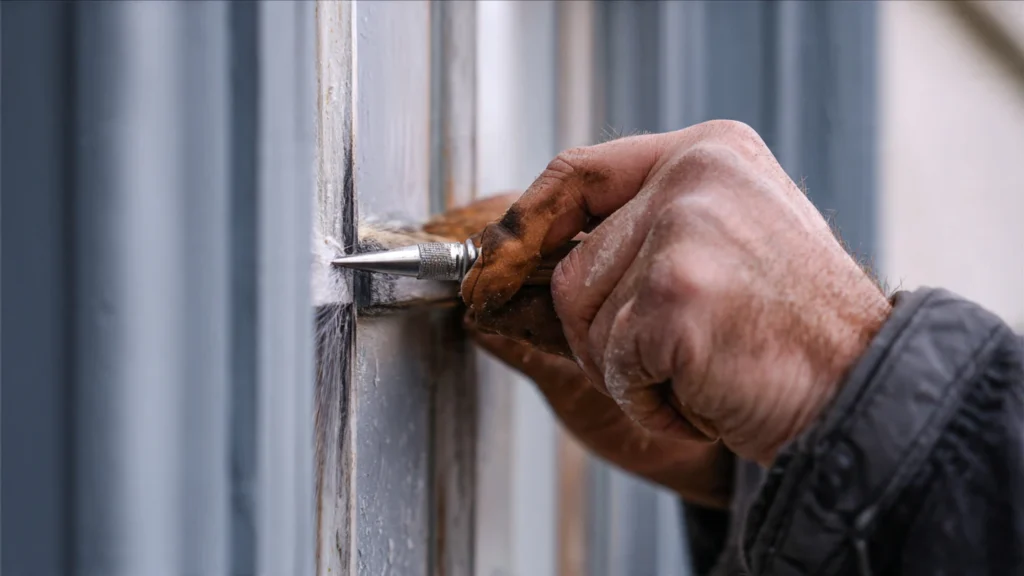
Once you’ve successfully removed any mice, the next step is to seal off entry points to prevent new ones from entering your home. This is key because mice can fit through gaps as small as 1/4 inch—the size of a dime!
Seal Entry Points Around Your Home
- Inspect Foundations and Walls: Walk around your home and inspect your foundation, door sweeps, window frames, and areas where utility lines (like pipes or wires) enter the house.
- Use Steel Wool or Copper Mesh: Mice can’t chew through these materials, so they’re perfect for sealing gaps. Secure the steel wool or mesh with caulk or concrete for a more permanent solution.
- Install Weatherstripping: Make sure that doors and windows seal tightly. Install weatherstripping where needed.
Eliminate Food and Water Sources
Mice are constantly looking for food and water, so make your home less inviting to them:
- Secure Food: Store food like cereal, rice, and pet food in airtight containers made of glass or metal.
- Clean Up Crumbs: Vacuum regularly, wipe down counters daily, and clean up any food spills immediately.
- Fix Leaks: Mice need very little water, so repair any dripping faucets or pipes.
How Do I Use Natural Deterrents for Prevention?
If you want to take a more natural approach to keep mice at bay, several can act as deterrents.
Natural Repellents
- Peppermint Oil: Soak cotton balls in pure peppermint oil and place them near entry points. Mice dislike the scent and will avoid areas treated with it.
- Other Scents: Mice also hate the smells of cloves, cayenne pepper, vinegar, and cinnamon. You can sprinkle these around areas where you’ve seen mice or around entry points.
- Predators: Having a cat can help deter mice, as they sense the presence of predators. Even used kitty litter can act as a deterrent when placed in strategic areas.
How to Safely Dispose of Dead Mice

If you’ve used traps and now need to dispose of the mice, be sure to take precautions:
- Wear Gloves: Always wear rubber or plastic gloves when handling dead mice or droppings to avoid exposure to diseases like Hantavirus.
- Disinfect: Spray the trap and the area with a 1:10 bleach-to-water solution before moving the mouse to prevent any infected dust from becoming airborne.
- Double-Bag: After disposing of the mouse, double-bag the remains in sealed plastic bags and place them in a trash can with a tight lid.
Frequently Asked Questions
1. What other methods deter mice?
Some people have had success using ultrasonic repellents that emit high-frequency sounds that mice find uncomfortable. Other natural deterrents include mothballs or the scent of essential oils like eucalyptus, which mice dislike.
2. How does sealing entry points prevent future infestations?
Sealing entry points is essential because mice can fit through incredibly small gaps. By blocking off any potential entry points, you make it difficult for mice to sneak into your home and start a new infestation.
3. Besides peanut butter, what else attracts mice to traps?
Mice are drawn to high-calorie, sticky foods. Other great options include chocolate, hazelnut spread, or sunflower seeds. For winter nesting, cotton balls or twine can also attract mice.
4. How can I tell if I have a mouse infestation?
Signs of a mouse infestation include droppings, gnaw marks, food scraps, and a musky odor. You may also hear scurrying noises at night, especially near food sources or hidden areas.
Wrapping Up: Keep Mice Out and Stay Stress-Free
Knowing how to get rid of mice is essential for keeping your home safe and comfortable. Whether you’re dealing with an infestation or taking steps to prevent one, the key is quick action and long-term prevention.
Use traps, seal entry points, eliminate food and water sources, and rely on natural deterrents and make hand sanitizer to keep mice at bay.
Pro Tip: Prevention is always easier than dealing with an infestation. Regularly inspect your home and clean up any crumbs or spills to make sure mice don’t want to make your house their home.