

I still remember the first time I tried to figure out how to create an ecommerce website with WordPress. I was sitting at my kitchen table with a cup of coffee that went cold way too fast, clicking around like I was defusing a bomb. Every button felt intimidating, every plugin looked like it came with hidden consequences, and I had no idea how people made those sleek online stores I kept shopping from. But once I figured out the rhythm of WordPress and WooCommerce, everything clicked—and building an ecommerce site became surprisingly enjoyable.
If you’re feeling even a little overwhelmed, I promise you’re in the right place. I’ll walk you through what I wish someone had told me from day one, using the same relaxed, practical style I use with my friends when they ask for “just a simple explanation.”
Why Is Understanding How to Create an Ecommerce Website With WordPress So Important?
When you’re learning how to create an ecommerce website with WordPress, it’s not just about installing a theme and hitting publish. You’re building a digital storefront that carries your brand, personality, and products. Americans are shopping online more than ever, and they expect fast, intuitive, trustworthy buying experiences.
WordPress gives you flexibility and affordability, which is why small business owners, side-hustlers, and boutique sellers swear by it. Its open ecosystem lets you start simple and expand as your business grows. Whether you’re selling handmade candles or subscription-based digital goods, the platform adapts to you—not the other way around.

What makes WordPress especially attractive is that you don’t need to be a coding wizard. If you can navigate your phone’s settings, you can set up an online store. And once you learn the basics, it feels empowering. You’ll know exactly how your store works instead of relying on expensive developers for every tiny fix.
What Do You Actually Need Before Learning How to Create an Ecommerce Website With WordPress?
When friends ask me how to create an ecommerce website with WordPress, I always tell them to start with the essentials before touching the dashboard. Think of it like prepping ingredients before cooking—everything goes smoother when you have things set out.
You’ll need a domain name, hosting, and a WordPress installation. Most US-friendly hosting providers like Bluehost, SiteGround, and HostGator let you set everything up within minutes. After that, WooCommerce becomes the star of your show. It handles everything from product listings to checkout pages.
Before installing anything, think about the type of store you want. Physical products? Digital downloads? Memberships? Having clarity early on saves you from reworking your entire setup later. And yes, it’s okay if your vision feels rough. Your store will evolve.
Here’s a simple table to help you understand your core setup options:
| Component | What It Does | Approx. Cost (USD) |
| Domain Name | Your website’s address | $10–$15/yr |
| Hosting Plan | Stores your site online | $5–$20/mo |
| WordPress | Website platform | Free |
| WooCommerce | Ecommerce engine | Free |
| Premium Theme (Optional) | Design upgrade | $30–$80 one-time |
| Plugins | Added features | Free–$200 |
What Should You Expect the First Time You Learn How to Create an Ecommerce Website With WordPress?
Here’s the honest truth: the first hour might feel like a puzzle, but then something magical happens—you start to feel in control. When you finally see your products displayed on your site, it’s almost addictive. You’ll tweak colors, fonts, buttons, and suddenly your brand comes alive.
Expect a little trial and error. Sometimes a plugin won’t look the way you imagined. Sometimes a theme will feel “off.” That’s normal. Think of WordPress like decorating a home: it takes a moment to get everything in the right place.
You’ll also appreciate how customizable everything is. Want multiple product categories? Easy. Want a custom homepage? Even easier. Want automatic tax calculations for U.S. states? WooCommerce handles that with a few clicks.
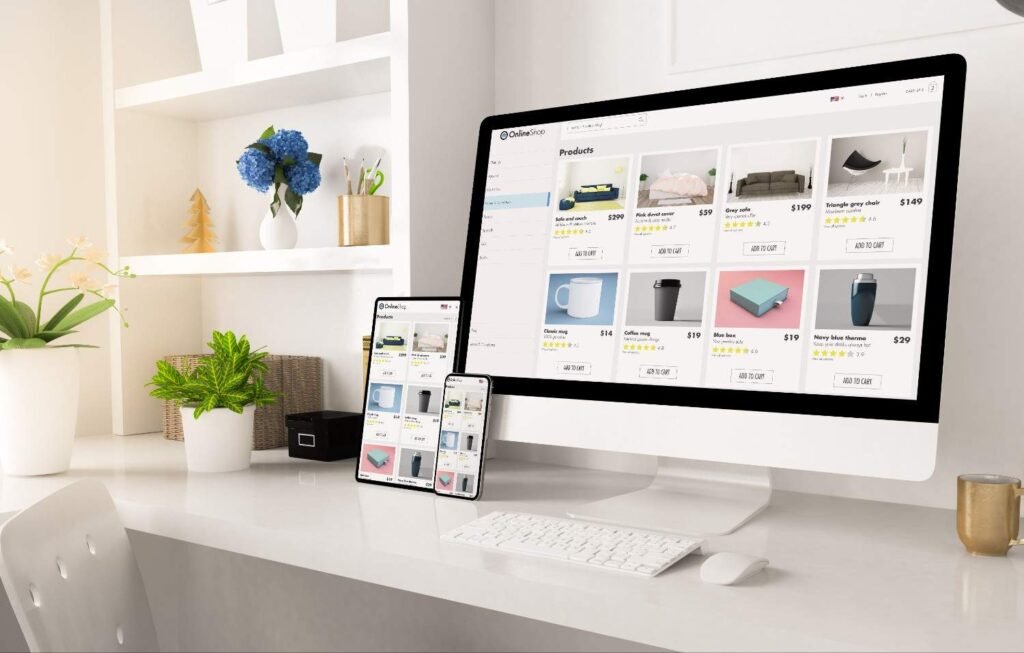
How to Make the Most of How to Create an Ecommerce Website With WordPress
Now let’s talk process—the part everyone wants simplified. When someone asks me how to create an ecommerce website with WordPress, I walk them through the same hands-on roadmap I’m about to share.
I begin by installing WordPress through my hosting dashboard and activating a clean, responsive theme. After that, I add WooCommerce and walk through its setup wizard, which asks about your store type, payment methods, and shipping settings. These steps guide you gently without overwhelming you.
Once WooCommerce is active, I customize my store’s design through the WordPress Customizer. This is where you choose colors, upload your logo, and shape your brand identity. After that, the fun begins: adding products. Each product gets a title, description, price, images, and variants if needed.
For checkout and payments, WooCommerce integrates naturally with Stripe, PayPal, and major credit cards—tools Americans love because they’re familiar and trustworthy. I always run a test order before launching just to confirm everything flows smoothly.
After your store looks good, optimize your site speed, add an SEO plugin like Rank Math or Yoast, and double-check your mobile layout. Shoppers browse on their phones more than desktops, so this step matters.
Once you hit publish, take a breath—you’ve built something real.

Frequently Asked Questions
1. Is WordPress really good for ecommerce, or should I choose Shopify instead?
WordPress is fantastic if you want flexibility and ownership. With WooCommerce, you control every part of your store and avoid high monthly fees. Shopify is more plug-and-play, but it limits customization unless you pay more. If you enjoy having full creative control and long-term affordability, WordPress is the better option—especially for US-based small businesses that want room to grow.
2. How long does it take to learn how to create an ecommerce website with WordPress?
Most people can build a basic store in a single afternoon. If you want a polished, branded site with custom pages, give yourself a few days to experiment and refine. The timeline varies based on how comfortable you are with technology, but WordPress is designed to be user-friendly. You’ll get the hang of it faster than you expect.
3. Do I need a developer to maintain my WordPress ecommerce site?
Not usually. Once your store is set up, you can manage products, orders, updates, and design changes on your own. Many US business owners run their sites without ever hiring a developer. You might want one if you need advanced custom features or a full redesign later, but day-to-day management is absolutely manageable.
4. Can WordPress handle large online stores with many products?
Yes—very well. WooCommerce powers millions of stores globally, including large US retailers. As long as you use good hosting and quality plugins, your store can scale without performance issues. You can also upgrade hosting plans when your traffic grows.
And Now… Go Build Something Amazing
Here’s my final, slightly sassy truth: once you learn how to create an ecommerce website with WordPress, you’ll wonder why you didn’t start sooner. It’s empowering, creative, and surprisingly fun. If you treat your store like a living project—one you tweak, polish, and nurture—success becomes much more likely.
My last tip? Don’t wait for perfection. Start with a simple layout and let your customers guide the rest. Your future shoppers are already out there—you just need to open the doors.