
I remember the first time I tried baking a cake from scratch. The recipe called for a “cup” of flour, and I assumed it was as simple as just scooping it into a regular coffee cup. Needless to say, my cake didn’t rise as expected.
That’s when I realized that measuring by volume and weight isn’t always straightforward—especially when the ingredients vary in density. I’ve learned a lot since then, and now I’m here to share everything you need to know about measuring cups and their ounce equivalents.
Whether you’re baking, cooking, or just curious about the measurements in your favorite recipes, understanding how many ounces in a cup and when to use dry versus liquid measuring cups is crucial. Let’s dive into the details.
When Do You Use Dry vs. Liquid Measuring Cups?
I’ve had my fair share of kitchen mishaps, and I’ve learned the hard way that dry and liquid measuring cups are not interchangeable. While they might look similar, they serve different purposes.
Liquid Measuring Cups
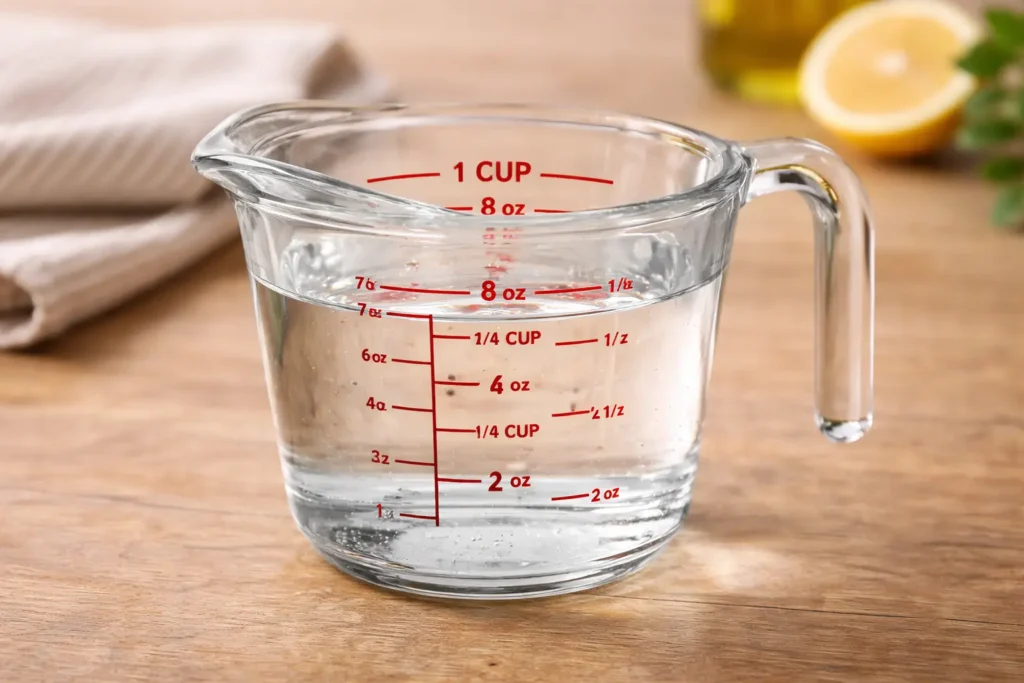
Liquid measuring cups are designed for—well, liquids. They are usually made of glass or plastic, have a spout for easy pouring, and are marked with measurements for ounces and milliliters.
- When to Use Them: When you’re working with liquids like water, milk, broth, or oils.
- Why: These cups are designed to handle the surface tension of liquids, so the measurements are more accurate when you fill the cup to the line.
Dry Measuring Cups
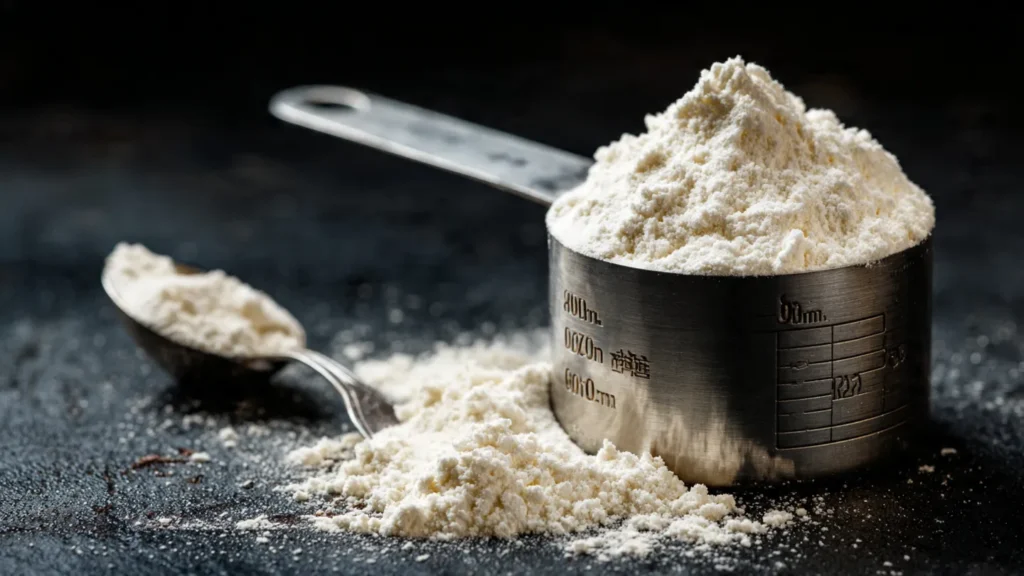
Dry measuring cups, on the other hand, are typically made of metal or plastic and have flat tops for you to level off dry ingredients, like flour, sugar, or oats.
- When to Use Them: For dry ingredients like flour, sugar, brown sugar, and spices.
- Why: They allow you to measure dry ingredients without compressing them, ensuring accurate measurements.
Pro Tip: If you accidentally use a liquid measuring cup for dry ingredients, your measurements won’t be accurate because the ingredients will settle differently in a liquid cup.
What’s the US Definition of a Fluid Ounce in Milliliters?
You’ve probably seen fluid ounces on packaging, but did you know there are variations depending on the country? In the United States, a fluid ounce is defined as approximately 29.57 milliliters. That’s a little less than 30 mL, so keep that in mind when converting measurements for recipes from other countries or using ingredients with foreign packaging.
US vs. International Measurements
- US Fluid Ounce: 29.57 mL
- UK Fluid Ounce: 28.4 mL (slightly less than the US version)
- Metric Cup (UK, Australia, Canada): 250 mL, or about 8.45 fluid ounces
The US uses 8 fluid ounces in a standard cup measurement, which is equivalent to approximately 237 mL. However, in other regions like the UK or Canada, the cup is slightly larger at 250 mL.
How Do I Convert Dry Ingredients Between Cups and Ounces?
When it comes to dry ingredients, the conversion isn’t always straightforward since different ingredients have different densities. For example, a cup of flour doesn’t weigh the same as a cup of sugar. But don’t worry, here’s a handy breakdown of some common conversions.
| Ingredient | 1 Cup (in Ounces) | Notes |
|---|---|---|
| Flour | 4.5 ounces | Lightly spoon and level the flour |
| Granulated Sugar | 7–8 ounces | No need to level it as strictly |
| Chocolate Chips | 6 ounces | Standard for most recipes |
| Butter | 8 ounces | 1 cup = 2 sticks (perfect!) |
Why Does This Matter?
Using a dry measuring cup with liquids will lead to incorrect measurements because the ingredient’s weight isn’t accurately reflected in a liquid format.
For example, if you used a liquid measuring cup to measure flour, you’d get more than you intended because the flour would settle differently than liquids.
How to Convert Cups to Ounces (for Both Liquid and Dry Ingredients)
For Liquids:
When dealing with liquids, a standard US cup contains exactly 8 fluid ounces. To convert:
- 1 cup = 8 fluid ounces
- For more precise measurements, divide or multiply according to the recipe requirements.
For Dry Ingredients:
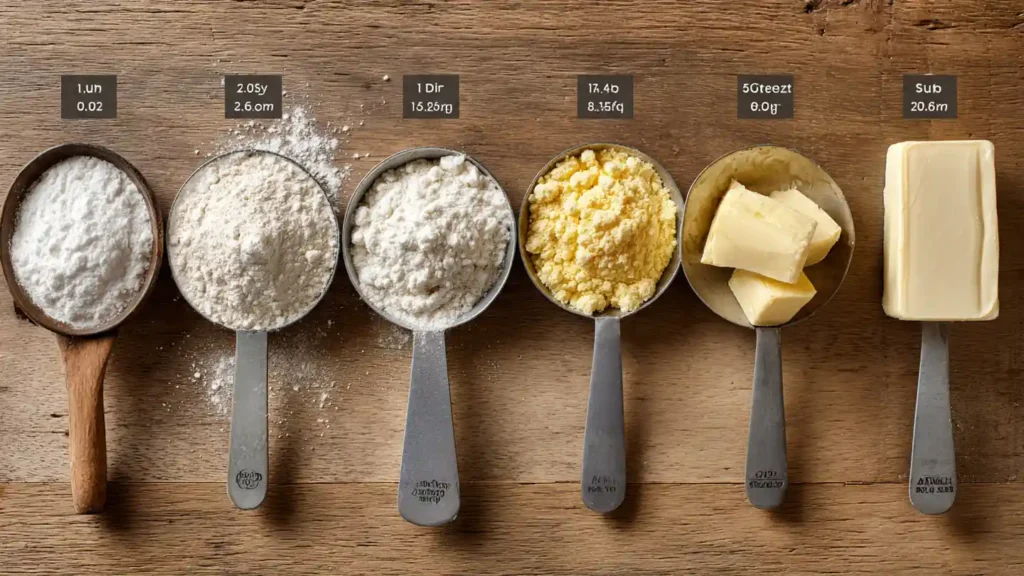
Since dry ingredients vary in weight, you’ll need a specific guide for conversion. For example:
- Flour: 1 cup = 4.5 ounces (sifted flour)
- Granulated Sugar: 1 cup = 7–8 ounces
- Butter: 1 cup = 8 ounces (or 2 sticks)
If you don’t have a scale, it’s important to learn how to measure your ingredients correctly. For instance, spooning flour into a cup and leveling it off gives you a more accurate measurement than just scooping.
Frequently Asked Questions
1. How many ounces in a cup for liquids?
In the US, 1 cup equals 8 fluid ounces for liquids like water, milk, and oils.
2. Can I use a liquid measuring cup for dry ingredients?
It’s not recommended. Liquid measuring cups are designed to hold liquids, so using them for dry ingredients will result in inaccurate measurements.
3. How do I convert dry ingredients from cups to ounces?
Dry ingredients vary by weight, so you’ll need to refer to specific conversions. For example, 1 cup of flour weighs about 4.5 ounces, and 1 cup of sugar weighs 7–8 ounces.
4. Is a UK cup the same as a US cup?
No, the UK uses a slightly larger cup at 250 mL (approximately 8.45 fluid ounces), while the US standard cup is 237 mL (about 8 fluid ounces).
Wrapping It Up: Measuring Made Simple
Understanding how many ounces are in a cup—and when to use dry vs liquid measuring cups—will make your kitchen tasks more efficient and accurate.
With the right knowledge and tools, you can confidently follow any recipe, whether you’re baking a cake or whipping up your favorite dish.
Pro Tip: Always level off dry ingredients for the most accurate measurement. And don’t forget to invest in a good set of dry and liquid measuring cups to avoid confusion!