

I’ll admit, I used to have a bit of a love-hate relationship with boiling eggs. There was the perfect egg, with that beautifully firm white and just the right yolk consistency—then there was the “green ring” disaster.
Overcooked eggs were a common mistake, and I was forever chasing that balance between runny, jammy, and firm yolks.
The good news is that boiling eggs doesn’t have to be a guessing game. By following some simple timing tips and using the right methods, you can achieve perfectly boiled eggs—whether you prefer them soft, jammy, or hard.
Let me share what I’ve learned about how long to boil eggs and how to get the best results every time.
How Long Should You Boil Eggs for a Soft, Jammy, or Hard Yolk?
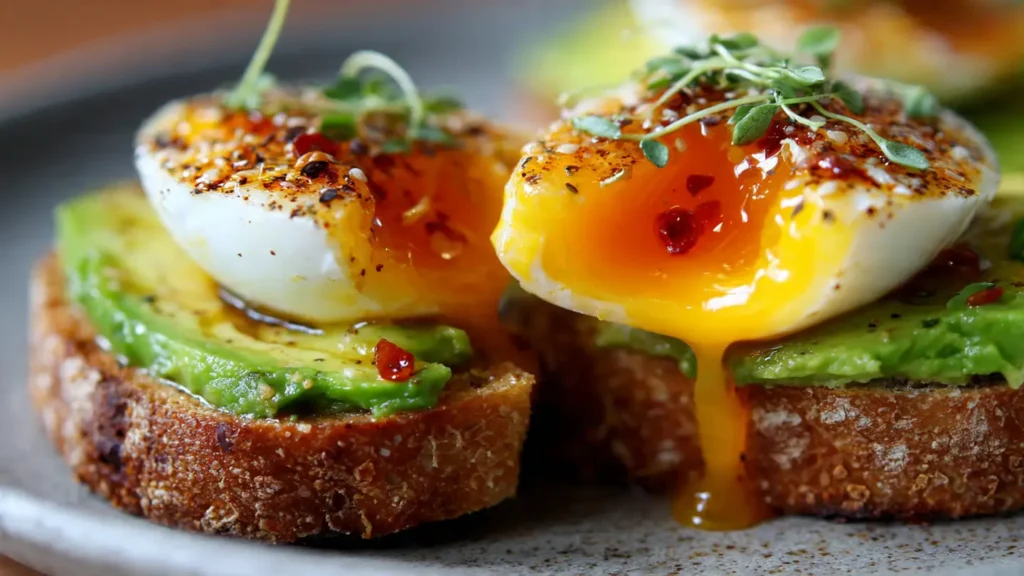
Understanding your ideal egg yolk consistency is the key to perfect timing. Here’s a breakdown of the typical boiling times based on how you like your eggs:
4–5 Minutes: Soft-Boiled with a Runny Yolk
If you love your eggs with a runny yolk, this is the ideal time. The whites are fully set, but the yolk stays soft and gooey. These eggs are great for dipping soldiers or adding to ramen.
- Tip: Start the timer once the water reaches a rolling boil and make sure to transfer the eggs to ice water right after to stop the cooking process.
6–7 Minutes: Jammy with a Custardy Yolk
Jammy eggs have a slightly gooey yolk that is perfect for dishes like avocado toast or salads. They have the smooth texture of a custard-like yolk but are fully cooked on the outside. This time range provides that balance between soft-boiled and medium-boiled.
8–9 Minutes: Medium-Boiled with a Creamy Yolk
This is the classic middle ground where the yolk is set but still creamy and pale yellow. If you prefer your yolk firm but not dry, this is your ideal cooking time. These eggs are perfect for egg salads or deviled eggs.
10–12 Minutes: Hard-Boiled with a Fully Set Yolk
For those who like their eggs fully firm and completely cooked through, 10 to 12 minutes is your go-to time. This is perfect for snacking, making egg salad, or using in potato salad.
14–15 Minutes: Very Hard-Boiled with a Dry Yolk
If you prefer your yolk to be crumbly and dry, usually for making deviled eggs, then cook them for 14–15 minutes. The yolk will be firm and dry, so if you’re looking for that texture, this is your time.
The “Perfect Peeling” Method: Get Those Shells to Slide Right Off
One of the most frustrating parts of boiling eggs is peeling them without tearing the whites. Luckily, I’ve learned a foolproof method to make peeling eggs easy and consistent:
- Lower Eggs Gently: Bring the water to a boil first, then use a slotted spoon to gently lower the cold eggs from the fridge into the water. This hot start method prevents the egg membrane from sticking to the shell.
- Simmer, Don’t Boil: After adding the eggs, reduce the heat to a gentle simmer to avoid cracking. Boiling too vigorously can cause eggs to bounce around and crack.
- Shock in Ice Water: Once your timer goes off, immediately transfer the eggs to a bowl of ice water for at least 5 minutes. This stops the cooking process and helps prevent the dreaded “green ring” around the yolk.
- Peel Under Running Water: Crack the shell gently all over and peel the egg under cool running water or while it’s submerged in the ice bath. This helps remove any stubborn shell fragments and keeps the egg intact.
What Causes the Green Ring Around the Yolks?
Have you ever opened up a hard-boiled egg only to find a greenish ring around the yolk? It’s not a sign of a bad egg—rather, it’s caused by overcooking.
When eggs cook for too long, the iron in the yolk reacts with sulfur in the egg white, forming iron sulfide, which gives that greenish color. To avoid this, be sure to stick to the recommended times, and don’t skip the ice bath to stop the cooking process.
The Science Behind Easier Peeling with Older Eggs
You might have heard that older eggs peel better than fresh ones, and there’s some truth to it. Over time, an egg’s pH level increases, causing the membrane to separate from the shell more easily.
While fresh eggs have a tighter bond between the shell and membrane, slightly older eggs (around a week old) will peel with much less effort.
Tip: For the best results, use eggs that are about a week old. Fresh eggs will still work, but they might give you more trouble when peeling.
How Do I Make the Best Jammy Yolk Eggs?
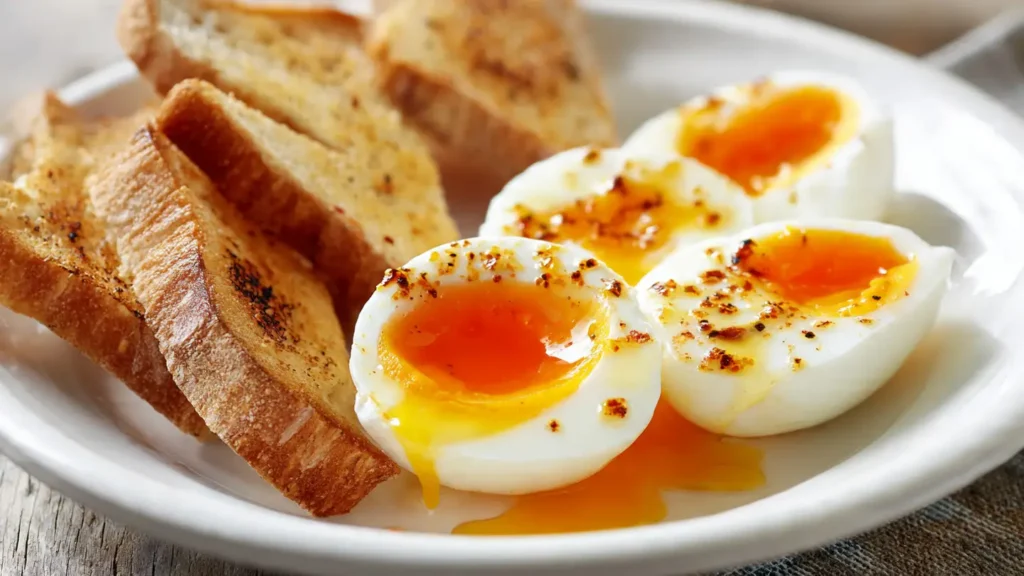
For jammy yolks, the key is timing. The 6–7 minute window is the magic range. To make perfect jammy eggs:
- Boil Water: Bring a pot of water to a rolling boil.
- Add Eggs: Use a slotted spoon to gently lower the cold eggs into the water.
- Set Timer: Once the water comes back to a boil, set your timer for 6–7 minutes.
- Cool Quickly: Immediately transfer the eggs to ice water after the timer goes off.
- Peel and Enjoy: Crack and peel gently under water, and enjoy your jammy eggs on toast or in your favorite recipe!
Frequently Asked Questions
1. What causes the green ring around the yolk in hard-boiled eggs?
The green ring forms when eggs are overcooked. The sulfur in the egg white reacts with iron in the yolk, creating iron sulfide. To avoid this, stick to the recommended cooking times and cool your eggs quickly.
2. Why are older eggs easier to peel after boiling?
Older eggs have a higher pH level, which weakens the bond between the egg membrane and the shell. This makes peeling easier, so try using eggs that are about a week old for the best results.
3. What are the best eggs for a jammy yolk?
For jammy yolks, stick with the 6–7 minute boiling time. Fresh eggs are fine, but slightly older eggs (around a week old) tend to peel better.
4. Can I make soft-boiled eggs with a runny yolk?
Yes, to make soft-boiled eggs with a runny yolk, cook them for 4–5 minutes. The whites will be firm, and the yolk will remain runny, perfect for dipping!
Egg-cellent Results Every Time!
Boiling eggs doesn’t have to be complicated. With the right timing and a few simple tips, you can make soft-boiled, jammy, or hard-boiled eggs that will impress anyone.
Whether you’re making breakfast, snacks, or a salad, knowing how long to boil eggs is the first step to perfecting your cooking routine.
Tip: Always shock your eggs in ice water after boiling to make peeling easier and to avoid overcooking.