
I used to think I handled money pretty well—until the day my car made a noise that sounded like a dinosaur escaping from under the hood. That repair bill hit me harder than the actual breakdown. That’s when I told myself the truth: I needed to take emergency fund planning seriously instead of hoping life stayed calm forever.
If you’ve ever felt caught off-guard by a medical bill, an appliance meltdown, or a job wobble, trust me—you’re not alone. Once I learned how to create a reliable buffer, everything in my financial life felt less stressful, more intentional, and yes, even a little empowering.
Why Does Emergency Fund Planning Matter So Much?

When I started building my emergency fund, I realized how much peace I lost every time something unexpected popped up. I felt reactive, not prepared. So I took a step back and asked myself why emergency fund planning actually mattered.
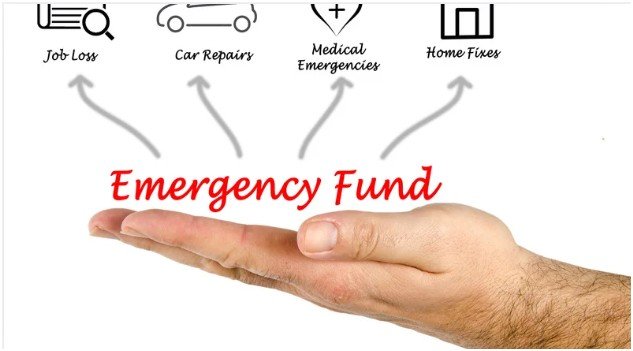
Unexpected expenses always show up, no matter how organized you feel. A sudden job change, a surprise medical issue, or a major home repair can derail your budget faster than you expect.
That’s where an emergency fund steps in. It acts like a personal safety net that keeps today’s problems from messing with tomorrow’s goals.
I also noticed that keeping this fund separate from my normal spending made me more mindful. Instead of dipping into it for random wants, I treated it like “break glass only” money. That mindset shift alone strengthened my financial habits.
How Do You Know How Much to Save?
This question stressed me out for years. I used to guess or choose a random number because it felt impossible to calculate. When I switched to a step-by-step process, the fog lifted.
I began by adding up my essential monthly expenses: rent, groceries, utilities, transportation, and loan payments. Once I saw that number clearly, calculating my emergency target felt easy. Most financial experts recommend saving three to six months’ worth of these essentials, and I chose a number that matched my comfort zone and lifestyle.
Then I adjusted it based on my personal situation. When my job felt super stable, I aimed for the lower end. Later, when I started freelancing, I shifted my goal to a nine-to-twelve-month cushion. If you have dependents or inconsistent income, you might lean toward the higher end too. The main idea is to build a fund that matches your life—not someone else’s.
Here’s a quick breakdown that helped me:
| Income Type | Recommended Fund Size |
| Stable salaried income | 3–6 months of essential expenses |
| Variable/freelance income | 9–12 months of essential expenses |
Once I committed to those numbers, everything felt clearer and more achievable.
What’s the Smartest Way to Build an Emergency Fund Without Feeling Overwhelmed?
I’ll be honest: seeing a big savings goal used to intimidate me. I’d tell myself, “I’ll start when I earn more,” and then months slipped by. What changed everything was breaking the total goal into small monthly targets.
I treated emergency fund contributions like a bill I paid to myself. I set a number that felt doable instead of dramatic. Some months I saved more, others less, but I kept going. That consistency added up faster than I expected.
Automating contributions made the biggest difference. When the transfer happened automatically on payday, I never had to rely on motivation. It became part of my routine.
I also took a good look at my spending habits. Every time I cut back on a non-essential purchase, I felt proud to redirect that little bit of money toward my emergency fund. And whenever I received a tax refund or bonus, I put a chunk of it straight into the fund. Because honestly? Windfalls feel great, but using them wisely feels even better.
Where Should You Keep Your Emergency Fund for Maximum Safety?
When I first started saving, I tucked money wherever it fit. Big mistake. I later learned your emergency fund needs a specific home that’s safe, low-risk, and easily accessible.
My go-to choice became a high-yield savings account. It offered better interest rates than a regular savings account but still let me access the money instantly when I needed it. It never mixed with my daily spending money, so temptation stayed low.
I also explored other options. Liquid mutual funds offered slightly higher returns, though they usually take a day to process withdrawals. And fixed deposits (FDs) or recurring deposits (RDs) felt too restrictive—until I discovered sweep-in FDs, which offer the balance of higher interest with easy access.
Each option has its own benefits, so you can choose the one that fits your comfort level and saving style.
How Do You Know When It’s Okay to Use Your Emergency Fund?
I created one simple rule: if it’s not urgent, essential, or unexpected, I don’t touch it.
Vacations don’t qualify. Upgrades don’t qualify. A sale on something cute? Definitely doesn’t qualify.
But a medical bill you didn’t see coming? A job loss? A major car repair you can’t delay? Those situations absolutely count. Once I tapped into the fund for a real emergency, I made it a priority to refill it. Replenishing the balance always helped me regain that sense of security.
I also realized insurance plays a major role here. Good health insurance and term insurance prevent a single major event from wiping out your savings. Securing those first made my emergency fund far more effective.
How Do You Actually Build It: A Step-by-Step Plan
Your How-To Guide to Emergency Fund Planning
Step 1: Add up your essential monthly expenses.
Take a few minutes to list housing, groceries, utilities, transportation, insurance, and debt payments.
Step 2: Choose your fund size.
Pick a target based on your income type, job stability, and dependents.
Step 3: Set a monthly contribution goal.
Start small if needed. Momentum matters more than perfection.
Step 4: Automate your savings.
Transfer money automatically into a dedicated emergency fund account.
Step 5: Store the money safely.
Choose a high-yield savings account, liquid mutual fund, or sweep-in FD.
Step 6: Replenish after emergencies.
Any time you use it, refill it as soon as possible.
FAQs About Emergency Fund Planning
1. How long does it take to build an emergency fund?
It depends on your income, expenses, and contribution rate. Some people build theirs in a year; others take longer. What matters most is consistency. Even small monthly deposits eventually add up to something meaningful. You don’t need to rush, but you do need to keep going.
2. Should I save for retirement or the emergency fund first?
I always make sure my emergency fund sits at a comfortable level before increasing retirement contributions. Without a safety net, one financial shock could force you into debt. Once you have at least a starter emergency fund (around $1,000), you can balance both.
3. Can I invest my emergency fund for better returns?
I avoid investing it in high-risk assets like stocks because emergencies require quick access. Market fluctuations can impact your fund right when you need it. Safe, liquid options give me more peace of mind.
4. What if I struggle to save consistently?
Start with the smallest amount you can manage. Even $10 or $20 builds momentum. Track your spending, automate transfers, and use windfalls to speed things up. The key is to remove pressure and make saving a regular part of your routine.
My Final Word on Getting Ahead of Life’s Curveballs
Emergency fund planning doesn’t feel glamorous, but wow—it feels powerful. Once I built mine, my relationship with money shifted completely.
I stopped fearing the unexpected because I finally had a cushion that supported my sanity as much as my wallet. Start small, stay steady, and celebrate every milestone. Your future self will thank you with a big sigh of relief.