

Have you ever reached the end of a long workday and realized your eyes feel strangely heavy—like someone quietly turned down their moisture settings? That sensation is more common than most people think. In fact, the American Academy of Ophthalmology reports that dry eye syndrome affects more than 16 million adults in the U.S., and the numbers continue to rise with increased screen time and indoor living. For many of us, the first line of relief is effective dry eye syndrome self-care practiced consistently, not just during flare-ups.
If you’ve been searching for practical dry eye syndrome self-care that actually makes a noticeable difference, you’re already on the right path. Mild to moderate dry eye responds remarkably well to small, consistent habits—habits that protect your tear film, support your eyelid glands, and help your eyes stay comfortable throughout the day. And you don’t need fancy tools or complicated routines to get started.
Before we get into the actionable steps, let’s break down why dry eye happens and why a personalized daily routine is more powerful than people realize.
What Exactly Is Dry Eye Syndrome and Why Does Daily Care Matter?
Dry eye syndrome occurs when tear quantity or tear quality isn’t enough to keep your eyes lubricated. Symptoms can include burning, stinging, redness, fluctuating vision, and even excessive watering from irritation. Since dry eye is often chronic, consistency—not intensity—is what truly brings relief.
Before we get into specific steps, here’s the key thing to remember: self-care works best as a daily routine, not a one-time fix.
What Are the Most Effective Dry Eye Syndrome Self-Care Tips?
A few simple at-home habits can dramatically improve everyday comfort. Before exploring each tip, know that these steps work together—not separately—to keep your eyes stable throughout the day.
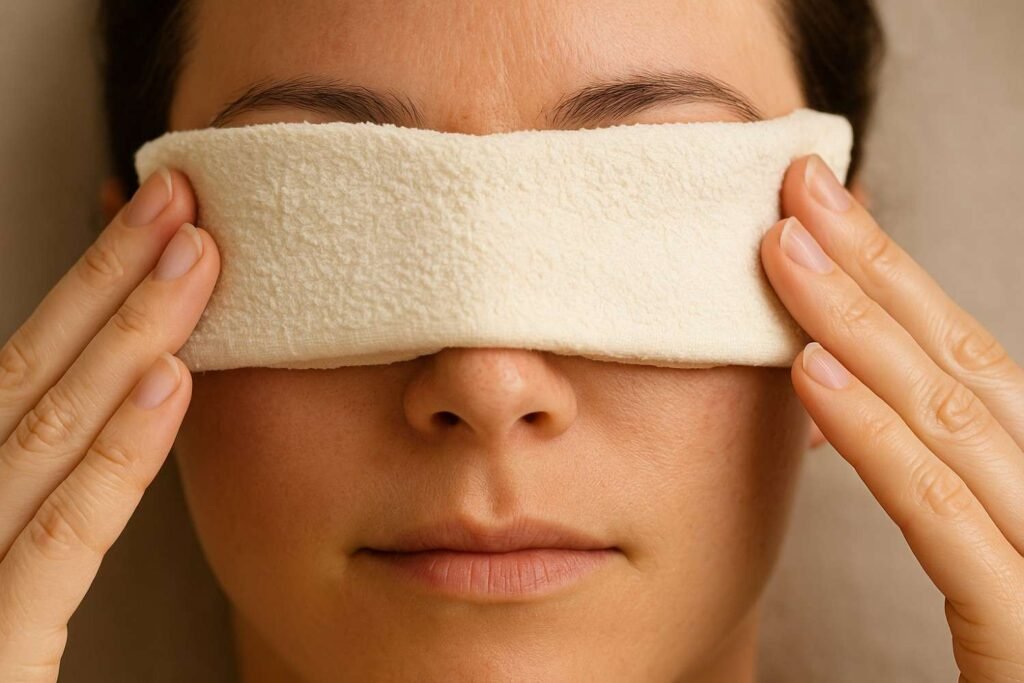
Warm Compresses and Eyelid Hygiene
One of the most researched and effective home treatments is applying a warm, damp cloth or heat mask over your closed eyes for 5 to 10 minutes. The heat softens the oils trapped in your meibomian glands, helping them flow more easily and improving tear quality.
After the warm compress:
- Gently massage your eyelids, moving your fingertip along the lash line.
- Clean lashes with diluted baby shampoo or a dedicated eyelid cleanser to remove debris and oil buildup.
This combination helps reduce irritation while supporting healthy tear production.
Once your eyelids are clean and your tears are flowing better, lubrication becomes the next essential step.
Artificial Tears, Gels, and Ointments
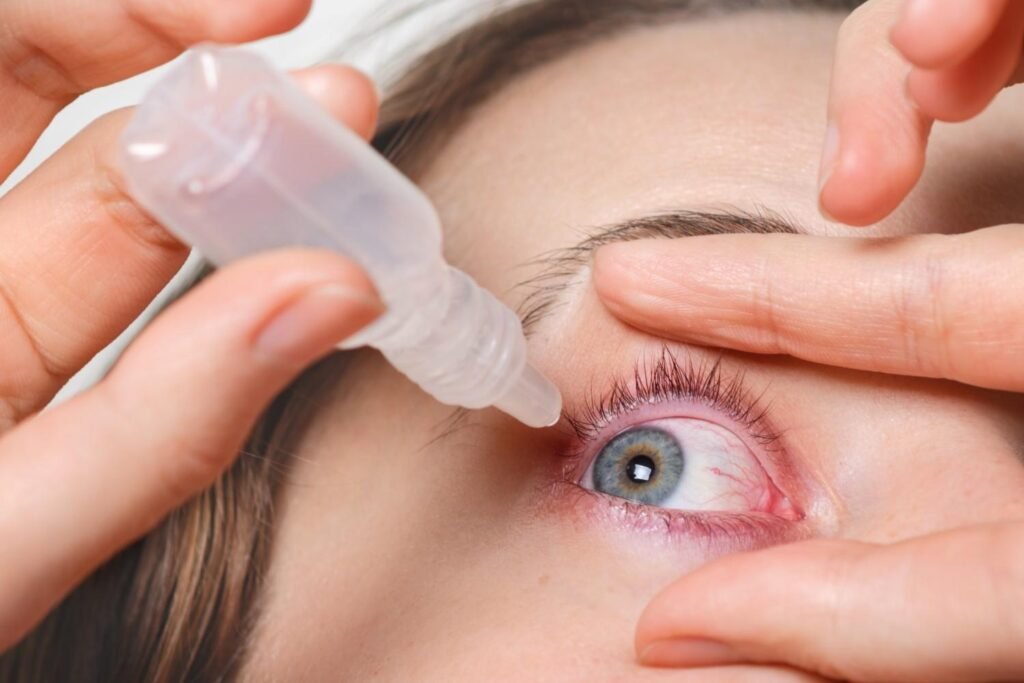
Over-the-counter artificial tears are the primary relief most people use. You can apply them as often as needed, but if you exceed four doses per day, switch to preservative-free formulas to avoid irritation.
At night, thicker gel drops or ointments stay in the eye longer and help prevent morning dryness—just expect temporary blurred vision after using them.
Lubrication alone won’t help if your eyes dry out from lifestyle habits, so the next tip is all about behavior.
Blinking Exercises and the 20-20-20 Rule
Digital screens drastically reduce how often we blink. Practicing mindful blinking (full, slow blinks) refreshes the tear film with each closure.
Try this proven strategy:
- Every 20 minutes,
- Look at something 20 feet away,
- For 20 seconds.
This simple reset reduces strain and gives your tear glands a chance to catch up.
Dry eyes are also connected to whole-body hydration and nutrition, so your daily habits matter more than you might think.
Stay Hydrated and Improve Your Diet
Aim for 8 to 10 glasses of water per day to help maintain natural tear production. Nutrition also plays a surprising role. Foods rich in omega-3 fatty acids support healthy oil layers in your tears.
Great omega-3 sources include:
- Salmon
- Tuna
- Flaxseeds
- Walnuts
You can also consider supplements after speaking with your doctor.
Of course, no routine is complete without adequate rest.
Get Enough Sleep
Your eyes repair and rebalance themselves while you sleep. Most adults need 7 to 8 hours of quality rest each night to support healthy tear film and minimize dryness in the morning.
How Do Environmental Adjustments Improve Dry Eye?
Your surroundings can either support or sabotage your self-care efforts. Here’s how to make your environment eye-friendly.
Before diving into each tip, remember that even small environmental tweaks can prevent rapid tear evaporation.

Modify Indoor Airflow
Avoid direct air hitting your face from fans, heaters, car vents, or hair dryers. Constant airflow speeds up evaporation and increases irritation.
Increase Moisture in the Air
Running a humidifier in your bedroom or workspace helps especially during winter, in air-conditioned rooms, or in dry climates.
Wear Protective Eyewear
When outdoors, wraparound sunglasses shield your eyes from wind, dust, and UV rays—factors that rapidly dry out your tear film.
Avoid Irritants
Stay away from cigarette smoke (including secondhand smoke) and heavily polluted environments whenever possible. These irritants inflame the eye surface and worsen dryness.
While these steps help most mild to moderate cases, it’s still important to know when self-care isn’t enough.
When Is Self-Care Not Enough?
If your symptoms become severe, persistent, or worsen despite consistent home care, schedule an appointment with an eye-care specialist. You may need prescription treatments such as anti-inflammatory eye drops, tear-stimulating medications, or procedures like punctal plugs.
Frequently Asked Questions
1. Can dry eye syndrome go away completely with self-care?
Not usually. Dry eye syndrome is often chronic, meaning self-care controls symptoms but doesn’t cure the underlying cause. However, people who follow a consistent self-care routine typically experience significant relief.
2. How often can I use artificial tears?
Preservative-free artificial tears can be used frequently throughout the day. If your drops contain preservatives, limit use to 4–6 times daily unless your doctor recommends otherwise.
3. Does water intake really help dry eyes?
Yes—staying hydrated helps your body maintain a healthy tear film. While hydration alone won’t solve dry eye, it’s an essential part of your routine.
4. When should I stop home remedies and see a specialist?
If you experience severe pain, redness, persistent blurry vision, light sensitivity, or no improvement after a few weeks of consistent care, seek professional evaluation.
Final Takeaway: Build a Routine You Can Stick To
Dry eye relief isn’t about chasing symptoms—it’s about understanding how your eyes behave and building a routine that protects them long-term. The real power of dry eye syndrome self-care is that it helps you take ownership of your eye health in a way that’s sustainable, not overwhelming. When you apply warm compresses daily, blink with intention, adjust your screen habits, hydrate well, sleep enough, and shield your eyes from harsh environments, you’re not just treating dryness—you’re strengthening the entire ecosystem that keeps your eyes functioning smoothly.
Here’s the perspective most people miss: the eye surface heals gradually, not instantly. Your tear film, eyelid glands, and eye surface respond best to small actions repeated daily—not quick fixes. Think of these habits as a maintenance plan for your vision, similar to how you care for your skin, your posture, or your sleep schedule.
And if your symptoms ever move beyond mild discomfort or stop responding to your routine, that’s valuable information too—it’s a sign your eyes need professional evaluation, not a sign you’ve failed. Dry eye is treatable, but the right plan depends on identifying what’s driving your dryness.
Your eyes are incredibly resilient. With consistency, awareness, and the right habits, you can reclaim comfort, protect your vision, and make dry eye a manageable part of life—not the defining part of it.