
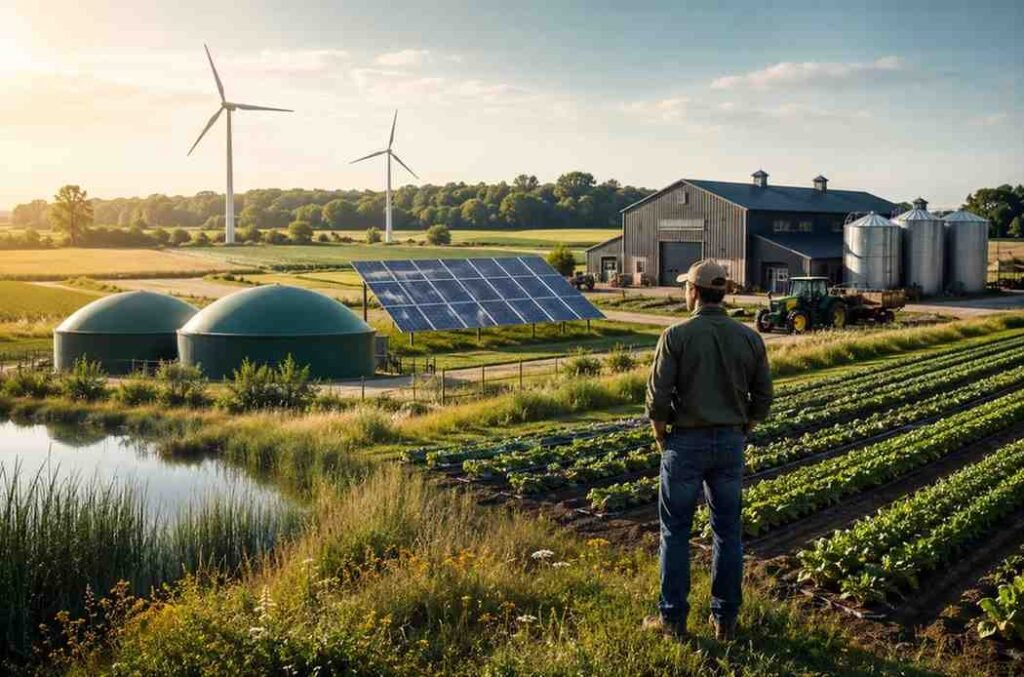
Commercial farming is undergoing a significant transformation. Traditional agricultural methods that rely heavily on synthetic inputs and intensive tillage are gradually giving way to practices that prioritize long-term ecological balance. Transitioning to a sustainable model requires careful planning, a solid understanding of biological systems, and a commitment to careful resource management. By adopting these eco-friendly methods, agricultural operations can improve crop resilience, reduce overall input costs, and protect local ecosystems for future generations. This guide outlines actionable steps to help commercial farms integrate sustainable practices effectively and responsibly.
Prioritize Soil Health and Conservation
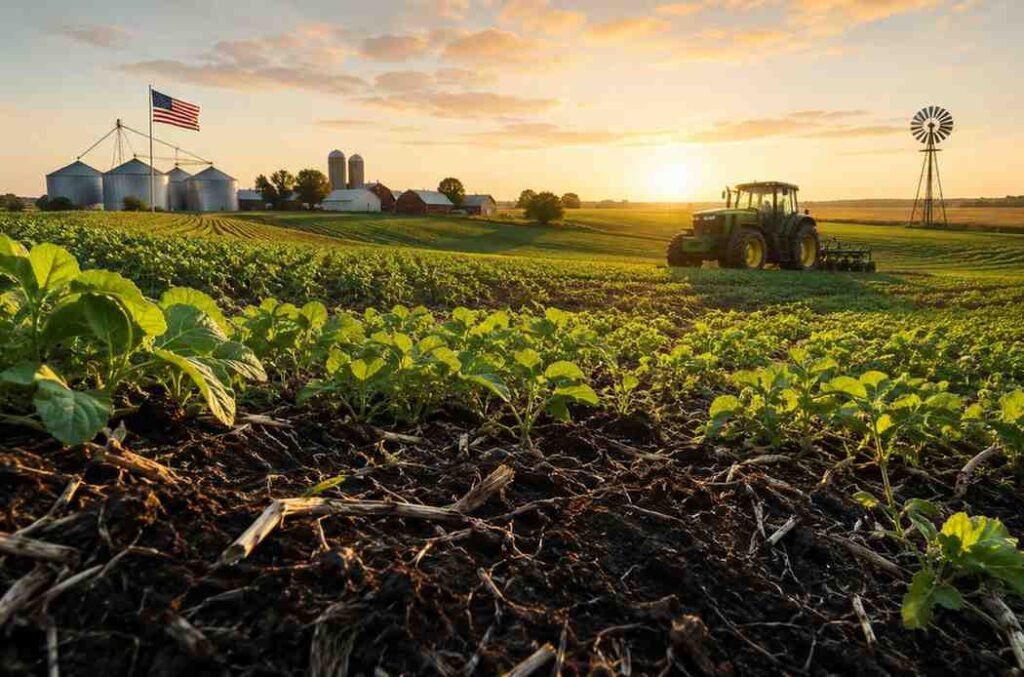
The foundation of any successful agricultural operation is the soil. Sustainable farming shifts the focus from merely feeding the plant to actively nourishing the soil microbiome. Healthy soil retains more moisture, sequesters carbon, and naturally suppresses plant diseases.
Implement Cover Cropping
Leaving soil bare between cash crops leads to erosion and nutrient runoff. Planting cover crops, such as clover, rye, or vetch, protects the topsoil from harsh weather conditions. These crops also fix nitrogen in the soil, reducing the need for synthetic fertilizers. When cover crops are eventually rolled down or incorporated into the earth, they add valuable organic matter that improves soil structure and fertility.
Reduce Tillage
Frequent plowing disrupts the complex web of microorganisms living beneath the surface. It also releases stored carbon dioxide into the atmosphere. No-till or reduced-tillage farming minimizes soil disturbance, allowing beneficial fungi and earthworms to thrive. Over time, fields managed with reduced tillage exhibit better water infiltration rates and higher resistance to drought conditions.
Optimize Water Management
Water scarcity is a growing concern for agricultural producers worldwide. Sustainable commercial farms utilize advanced irrigation strategies and conservation techniques to make every drop count.
Upgrade Irrigation Systems
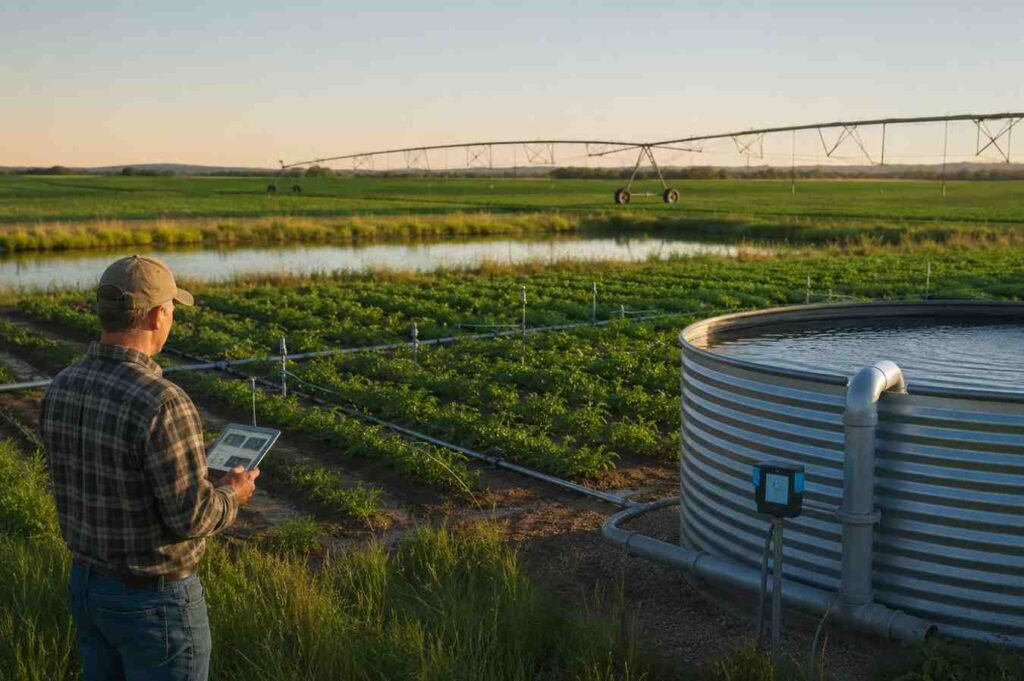
Traditional flood and overhead sprinkler irrigation systems often result in significant water loss due to evaporation and runoff. Transitioning to drip irrigation or micro-sprinkler systems delivers water directly to the plant’s root zone. This targeted approach not only conserves large volumes of water but also reduces weed growth by keeping the soil surface relatively dry.
Monitor Soil Moisture
Applying water only when the crop truly needs it is a cornerstone of sustainable water management. Installing soil moisture sensors at various depths allows farm managers to track hydration levels in real time. This data-driven approach prevents overwatering, protects delicate root systems from waterlogging, and significantly lowers pumping costs.
Adopt Integrated Pest Management (IPM)
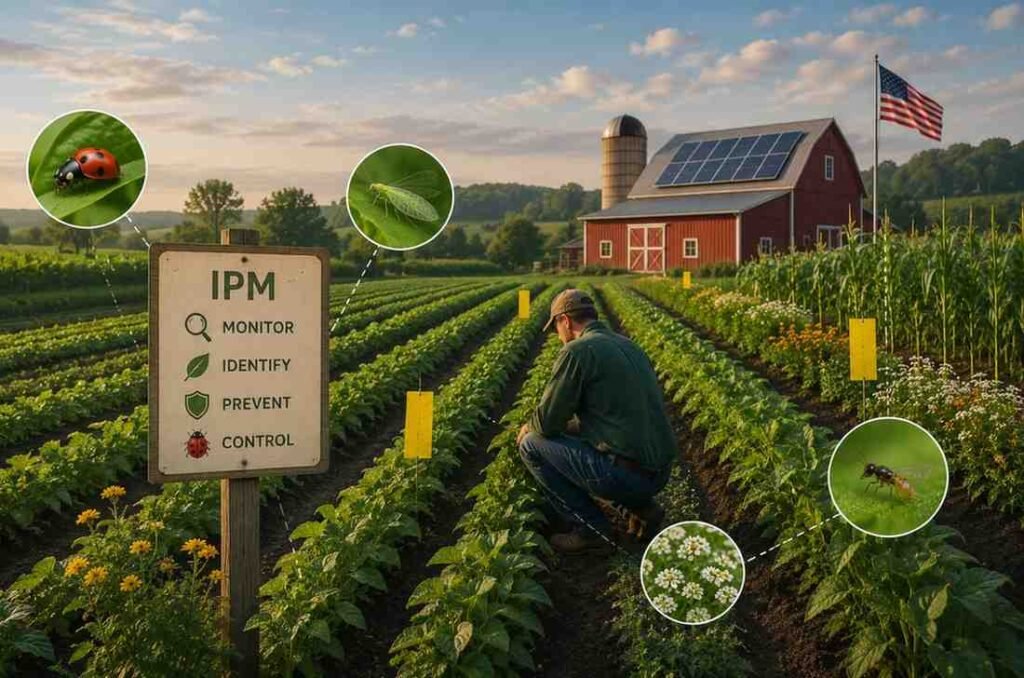
Relying exclusively on chemical pesticides can lead to resistant pest populations and unintentional harm to beneficial insects, such as bees and ladybugs. Integrated Pest Management (IPM) is a holistic strategy that manages pest damage by combining biological, cultural, and mechanical controls.
Farmers utilizing IPM regularly scout their fields to identify pest thresholds before taking action. Instead of blanket chemical applications, they might introduce natural predators, deploy pheromone traps to disrupt mating cycles, or select disease-resistant crop varieties. Chemical interventions are used only as a last resort, ensuring that the local ecosystem remains balanced and healthy.
Secure Appropriate Funding for Transition
Transitioning a conventional farm to a sustainable model requires upfront capital. Farm operators may need to purchase new seed varieties, invest in no-till planting equipment, or upgrade outdated irrigation infrastructure. Balancing these necessary expenditures with seasonal cash flow is a common challenge for producers.
Fortunately, financial mechanisms exist specifically to support agricultural innovation. Exploring localized funding options, such as agricultural loans in Nebraska, can provide the necessary capital to facilitate these sustainable upgrades. Securing appropriate financing allows farm managers to invest in high-quality seeds and essential conservation equipment without compromising their operational budget.
Increase Farm Biodiversity
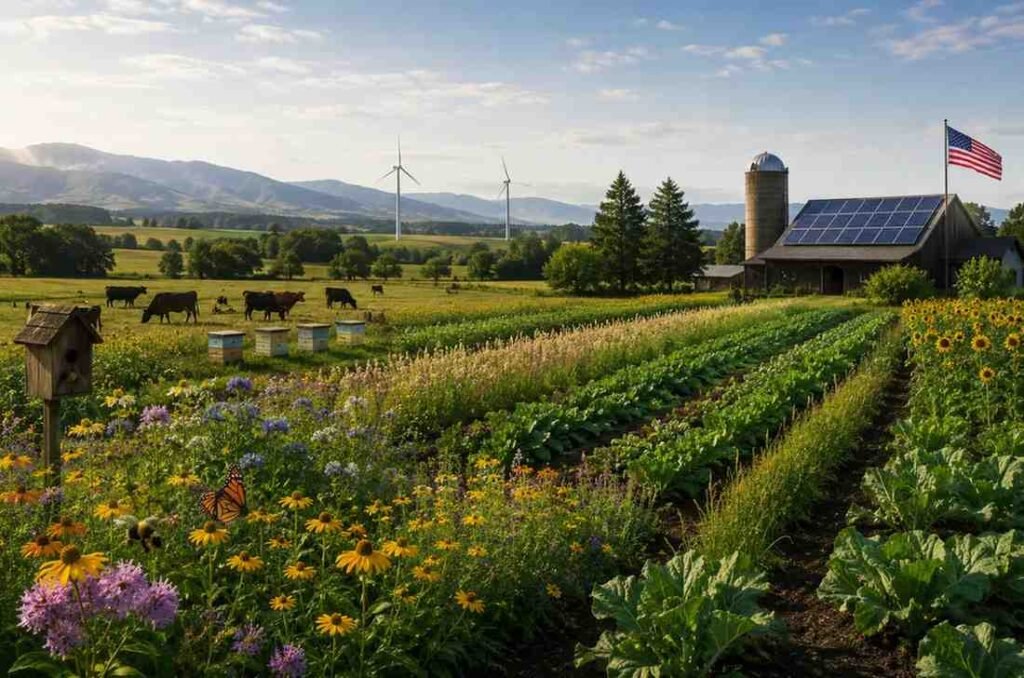
Monoculture—the practice of growing a single crop over a large area for consecutive years—depletes specific soil nutrients and creates an ideal environment for pests. Enhancing biodiversity breaks these cycles and builds a more resilient farming system.
Practice Crop Rotation
Alternating the types of crops grown in a specific field season after season disrupts pest life cycles and weed proliferation. A well-planned crop rotation strategy might involve alternating deep-rooted crops with shallow-rooted ones, or nitrogen-fixing legumes with heavy nitrogen consumers like corn.
Create Wildlife Habitats
Dedicating marginal, less productive land to native grasses, wildflowers, or timber stands provides vital habitats for pollinators and natural pest predators. Hedgerows and buffer strips planted along waterways also capture nutrient runoff before it enters local streams, protecting aquatic ecosystems while fostering terrestrial biodiversity.
Shift Toward Renewable Energy
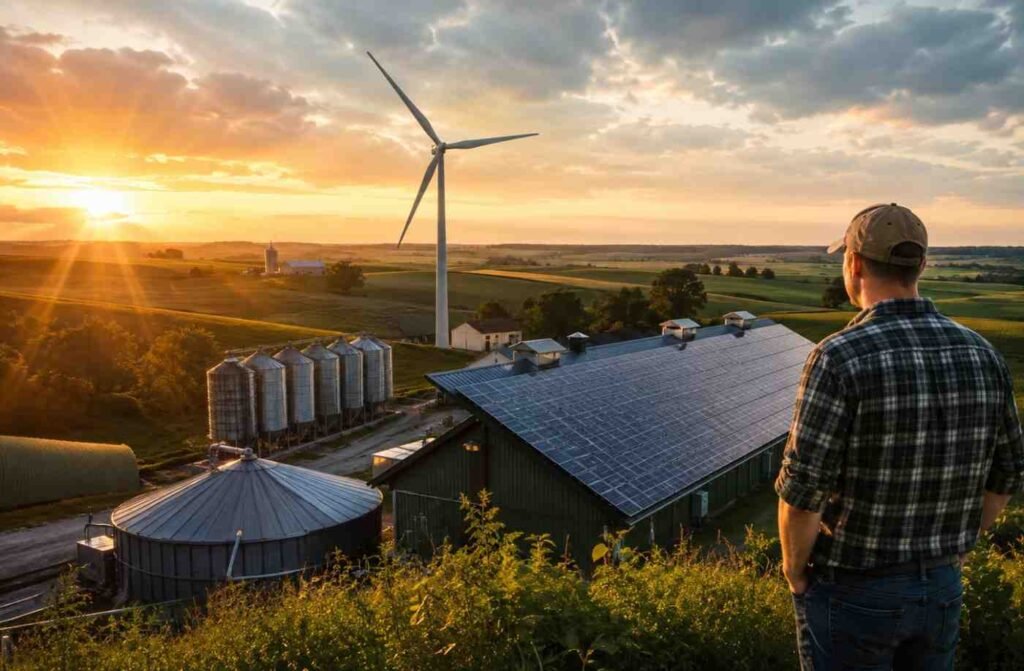
Commercial farms require substantial energy to operate machinery, dry grain, and cool storage facilities. Reducing reliance on fossil fuels lowers greenhouse gas emissions and stabilizes long-term energy costs. As advanced machinery is revolutionizing agriculture, many producers are also adopting smarter equipment and precision technologies that improve efficiency while supporting long-term sustainability goals.
Installing solar panels on the roofs of barns, equipment sheds, or unused parcels of land can generate significant electricity to offset operational demands. Wind turbines are another viable option for farms located in open, breezy regions. Additionally, capturing methane from livestock manure using anaerobic digesters provides a dual benefit: it prevents a potent greenhouse gas from entering the atmosphere and generates a renewable source of heating or electrical power.
Sustaining the Future of Agriculture
Building a sustainable commercial farm is not an overnight achievement. It is an ongoing process of observation, adaptation, and continuous improvement. By focusing on soil health, conserving water resources, encouraging biodiversity, and securing the right financial tools, agricultural operators can build resilient systems. These thoughtful practices ensure that the land remains productive and ecologically sound for generations of farmers to come.