
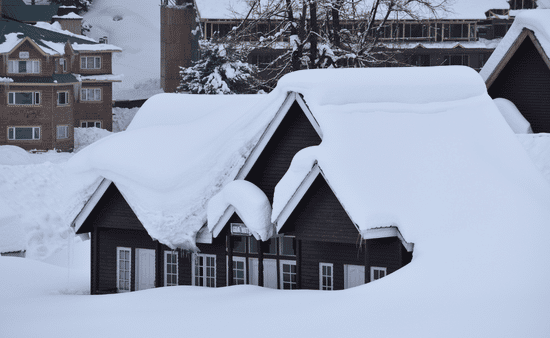
As the temperature drops and clouds gather, many homeowners look at falling snow with a sense of wonder. However, for the structural integrity of a house, those white flakes represent a significant physical burden. While most modern homes are designed to withstand local weather patterns, every structure has a breaking point. Understanding the physics of snow accumulation, the difference between various types of precipitation, and the warning signs of structural stress is essential for protecting your property throughout the colder months.
Understanding Snow Weight and Density
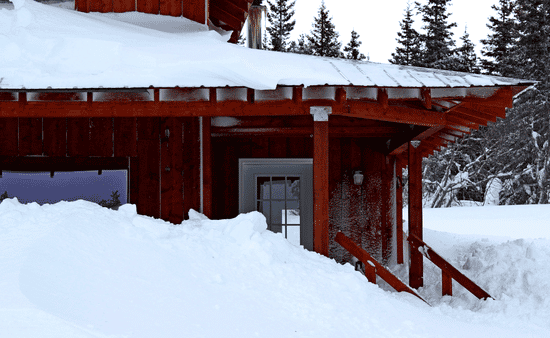
The primary danger to a roof is not the depth of the snow, but its weight. A foot of light, powdery snow exerts far less pressure than a foot of heavy, wet slush. To determine the risk, you must consider the density of the accumulation.
Light Versus Heavy Snow
Fresh, dry snow typically weighs about three to five pounds per cubic foot. In this state, a roof can often support several feet of accumulation without issue. However, as snow sits, it begins to compact. Heavy, wet snow can weigh twenty pounds or more per cubic foot. If a rainstorm follows a snowfall, the snow acts like a giant sponge, soaking up water and rapidly increasing the load. This saturated weight is often what leads to sudden structural failures.
Ice Accumulation
Ice is significantly denser and heavier than snow, weighing approximately fifty-seven pounds per cubic foot. Even a thin layer of ice contributes more to the total load than several inches of powder. When ice builds up at the eaves, it creates a secondary problem by trapping melting water behind it, leading to a dangerous cycle of weight gain and moisture intrusion.
Calculating Your Roof Capacity
Building codes dictate the minimum “snow load” a roof must be able to support. These codes vary by region, with mountain towns requiring much higher tolerances than coastal cities.
Pitch and Design
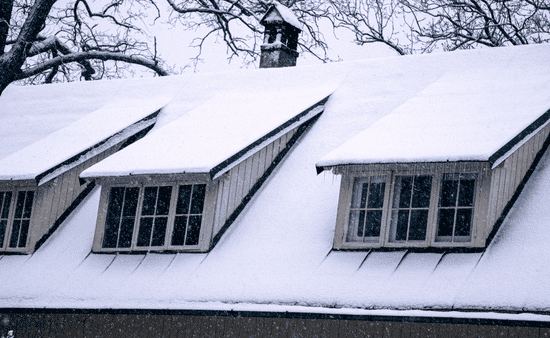
The angle of your roof plays a major role in how it manages weight. A steep pitch allows snow to slide off naturally, preventing massive buildups. Conversely, flat roofs or those with shallow pitches collect snow uniformly, requiring much stronger support beams. Architectural features such as valleys, dormers, and chimneys can also create “snow drifts” where wind-blown snow piles up in concentrated areas, creating an uneven and dangerous distribution of weight.
Age and Material
The age of a structure significantly impacts its resilience. Older homes may have settled or experienced slight rot in the rafters over time, reducing their original load-bearing capacity. Additionally, the roofing material itself influences how snow behaves. Metal roofs are often preferred in snowy climates because their smooth surface encourages snow to shed quickly, whereas asphalt shingles tend to grip the snow, holding the weight in place until it melts.
Warning Signs of Structural Stress
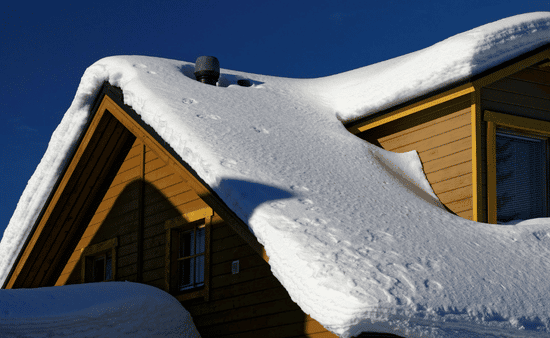
Most roofs do not collapse without warning. The house will usually signal that it is under too much pressure through audible and visual cues.
- Interior Door Issues: If doors to bedrooms or closets suddenly begin to stick or swing open on their own, it may indicate that the frame is being compressed by the weight on the roof.
- Creaking and Popping: While houses naturally creak in the wind, loud or persistent popping sounds from the attic area are a sign that the wooden supports are under extreme tension.
- Cracks in Drywall: New cracks appearing in the ceiling or around door frames often suggest that the structural members are shifting under a heavy load.
Preventative Maintenance and Safety
The best way to handle a heavy winter is to prepare long before the first storm arrives. Ensuring that the attic is properly insulated is the first line of defense. When heat leaks from the living space into the attic, it melts the bottom layer of snow on the roof. This water then runs down to the cold eaves and freezes, forming ice dams. Focusing on roof icicle prevention in Utah and other high-altitude regions is a common winter priority, as these frozen formations are often the first sign of an attic temperature imbalance.
If you must remove snow, use a long-handled snow rake from the safety of the ground. Climbing on a snow-covered roof is incredibly dangerous and can cause more damage to the shingles than the snow itself. Always leave at least a thin layer of snow on the roof to avoid scraping the protective granules off the asphalt.
Conclusion
A roof is a silent guardian, but it is not invincible. By monitoring the type of snow that falls and staying alert to the physical changes in your home, you can navigate the winter season with confidence. Managing snow loads is about more than just aesthetics; it is about respecting the physics of the season and ensuring that the weight of winter stays outside where it belongs.