

Finding a swimsuit that covers what it’s supposed to, holds its shape in the water, and still looks intentional rather than purely functional is a harder task than it should be. Knowing what to look for before you shop narrows the field significantly and makes the difference between a purchase you reach for all season and one that sits in a drawer.
Why Coverage and Fit Are Two Different Problems
A swimsuit can offer full coverage and still fit poorly — and a poor fit undermines whatever coverage the design was supposed to provide. Straps that pull, necklines that gap, and leg openings that shift with movement all create the exact problem the coverage was meant to solve.
The starting point for solving both problems at once is understanding your own proportions rather than defaulting to the size you wear in everyday clothing. Swimwear sizing doesn’t follow the same logic as ready-to-wear, and a brand whose cut works well for one body type may fit entirely differently on another — even at the same stated size.
Fabric and How It Affects Performance
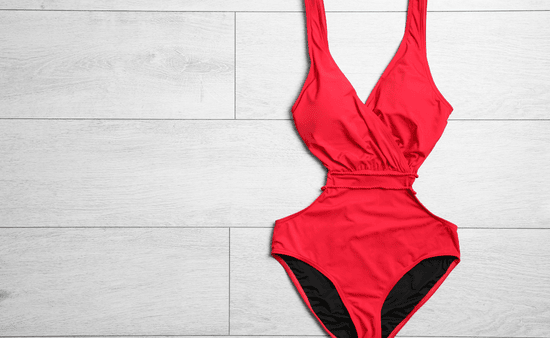
The fabric a swimsuit is made from determines how it performs in water, how it holds its shape over a season of use, and how much sun protection it actually provides. Not all swimwear fabric is created equal, and the differences are worth understanding before a purchase is made.
Fabrics with a higher percentage of nylon tend to hold their shape better and resist chlorine degradation more effectively than polyester blends. Spandex content affects stretch and recovery — how well the fabric returns to its original shape after being stretched. Fabrics with a UPF rating provide a measurable level of sun protection, which matters for anyone spending extended time in the water or on the beach.
Lining quality is equally important. A swimsuit with a thin or single-layer lining may become transparent when wet in ways that a thicker or double-lined construction doesn’t. Checking the lining before purchase — rather than discovering the issue after the first swim — is worth the extra attention.
Construction Details That Affect Longevity
How a swimsuit is constructed affects how long it performs correctly. Flatlock seams lie flat against the skin and reduce chafing during extended wear. Reinforced straps distribute weight more evenly and resist stretching over time. Molded or underwire cups maintain their structure through repeated water exposure better than unstructured padding that can shift or absorb water.
Closures — zippers, clasps, and hook-and-eye constructions — vary in quality in ways that aren’t always obvious at the point of purchase. A zipper that corrodes after a season in saltwater, or a clasp that loosens with repeated use, turns a swimsuit that looked well-made into one that fails before its time.
Neckline and Back Designs That Affect Coverage
Coverage in a one-piece swimsuit is determined as much by how the neckline and back are cut as by how much fabric is used overall. High necklines provide more front coverage but can feel restrictive during active water use if the armhole isn’t cut generously enough to allow full range of motion. Racerback and cross-back designs distribute strap tension more evenly across the shoulders and work well for swimming laps or other water activities that require arm mobility.
A full coverage one-piece swimsuit with a lower back cut may provide complete front coverage while still allowing freedom of movement — a combination that works well for active water use. Understanding which design features serve the coverage goal without limiting movement is part of matching the swimsuit to its actual intended use.
Sizing Across Brands and Why It Varies

Swimwear sizing is notoriously inconsistent across brands, and shopping by size number alone produces inconsistent results. Brands that cater to different markets — activewear, fashion swimwear, specialty sizing — make different assumptions about proportions, and those assumptions are baked into every cut they produce.
The most reliable approach is to measure before shopping — bust, waist, hips, and torso length — and compare those measurements to the brand’s size chart rather than selecting by standard size. Torso length is particularly important for one-piece swimwear because a suit that’s too short will pull at the shoulders and leg openings regardless of whether the width is correct.
What to Look for in Adjustability
Adjustability extends the fit range of a swimsuit beyond what a single cut can accommodate. Adjustable straps allow length customization that accommodates different torso proportions and shoulder widths. Removable padding gives the wearer control over coverage and shape that a fixed construction doesn’t.
Drawstring waists and tie details at the sides or back add some fit flexibility, though they affect coverage if not tied correctly. Understanding which adjustability features matter for your specific fit challenges before shopping narrows the options quickly and prevents the common experience of buying a swimsuit that fits in one dimension but not in others.
Care and How It Affects the Life of the Suit
Even a well-constructed swimsuit degrades quickly without proper care. Chlorine, saltwater, sunscreen, and heat all break down fabric fibers over time, and how the suit is cared for after each use affects how quickly that degradation happens.
Rinsing immediately after use — in cool, clean water — removes the chemicals and salt that cause fabric breakdown. Hand washing with a gentle detergent designed for swimwear removes sunscreen residue that regular rinsing doesn’t. Avoiding machine washing and heat drying preserves the elastic content that maintains the suit’s shape and coverage over time.
Conclusion
A swimsuit that fits well, holds its shape, and provides the coverage it’s supposed to deliver is worth the effort it takes to find. Approaching the search with a clear understanding of what affects fit, fabric performance, and construction quality makes it significantly easier to find one that works — and keeps working — all season long.