

We’ve all been there—you wake up feeling terrible, your throat’s sore, or maybe you’ve just had an unexpected personal emergency. The last thing you want to do is face your boss and explain why you can’t come in. But knowing how to call out of work professionally makes all the difference. I’ve been in situations where calling in sick or explaining an absence wasn’t easy, but I learned that handling it correctly not only keeps you in good standing with your employer but also ensures you’re not causing chaos at work.
In this guide, I’m sharing my practical tips for calling out of work, from what to say to how to keep things professional. Let’s get into it!
When Should I Call Out of Work?
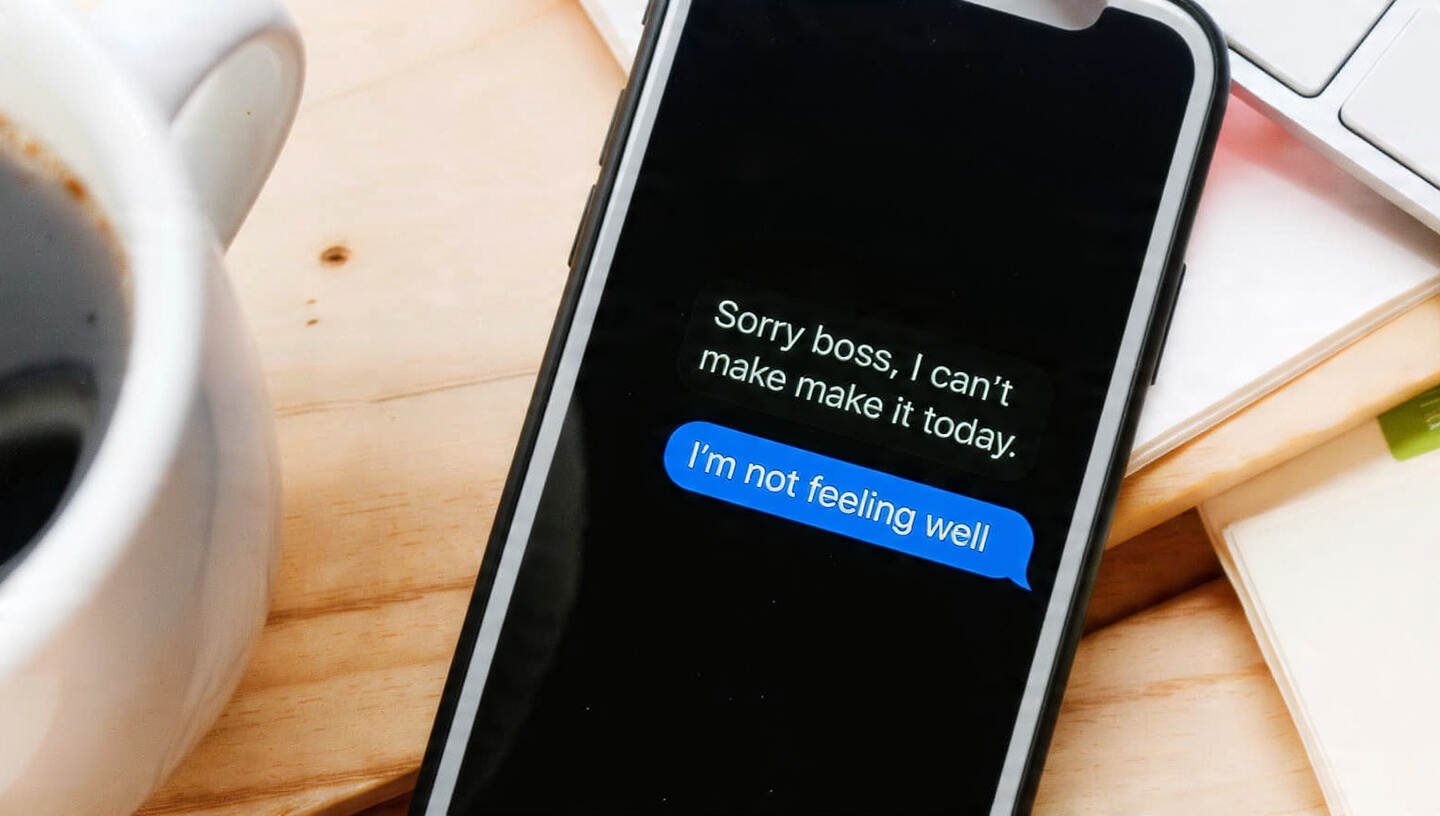
There are times when you can’t avoid calling out of work, whether it’s due to an illness, family emergency, or just needing a mental health day. The important thing is to know when to take a step back and make the call.
How Soon Should I Call Out?
The earlier, the better. Ideally, give your employer as much notice as possible—this helps them arrange coverage or reassign tasks. If you’re feeling under the weather, call in at least a few hours before your shift starts to allow your manager enough time to adjust. The key is being proactive, so your absence doesn’t disrupt operations.
What Is the Best Method for Calling Out?
Depending on your workplace, your manager might prefer a certain method of communication. Some companies like formal emails, while others prefer a quick phone call or text. Personally, I always choose the method that will get my message to my boss the fastest—phone calls are usually best, especially in fast-paced environments like restaurants or retail.
How to Call Out of Work Professionally
Now that you know when to call out, let’s go over exactly how to call out of work without sounding unprofessional or vague. You want to keep it brief, clear, and respectful. Here’s my step-by-step guide:
1. Check Your Company’s Policy
Before making the call, it’s always a good idea to check your employee handbook or company policy to understand the correct procedure for reporting an absence. Some companies prefer phone calls, while others might use email or a dedicated HR system.
2. Give Notice Early
The sooner you notify your employer, the better. I’ve learned that giving as much notice as possible shows that you respect your manager’s time. If you know you won’t make it to work, reach out immediately so they have time to make adjustments.
3. Choose the Right Communication Method
Make sure you’re using the method your boss prefers. If you work in an office and email is the norm, shoot them an email. But if you’re working in a fast-paced environment like a restaurant, a quick phone call may be the best option to get the message through.
4. Keep It Brief and Professional
Here’s where I see many people go wrong—they either overshare or are too vague. You don’t need to go into all the gory details about why you can’t make it to work. A simple, clear message works best. For example:
- “I’m not feeling well and won’t be able to come in today.”
- “I’m dealing with a family emergency and need to take the day off.”
No need to elaborate unless it’s necessary for your manager to know specifics.
5. Offer Solutions if Possible
If you can, offer a plan for how your tasks can be handled in your absence. If you’re able to help remotely or have already arranged for someone to cover, let your manager know. For example:
- “I’ve asked [Colleague’s Name] to cover the meeting I was scheduled for today.”
- “I’ll check in later to update you on my situation.”
This shows that you’re still responsible and care about your work, even when you’re not there.
6. Confirm Next Steps
If you expect to be out for more than one day, let your employer know when you’ll provide an update on your return. This way, they know when to expect you back or if they need to make further plans.
Frequently asked questions
1. Should I Call Out Even if I Don’t Have a “Legitimate” Reason?
It’s important to be honest. If you need a day off for personal reasons or to recharge mentally, that’s okay! You don’t need to be sick to take a day off, but make sure you don’t overdo it or make a habit of taking unexcused absences.
2. Can I Text My Boss to Call Out?
Texting may work in some workplaces, but it’s always best to check what your company’s policy is. If text is an acceptable method of communication, keep it professional and concise. Avoid texting if it’s not the norm—stick to email or a phone call if that’s what your employer prefers.
3. How Do I Call Out for a Mental Health Day?
Mental health is just as important as physical health, and taking a day off to focus on yourself is totally valid. Keep it simple: “I’m taking a mental health day and won’t be able to come in today.” You don’t need to go into more detail if you’re not comfortable.
4. How Do I Prevent Feeling Guilty About Calling Out?
We’ve all been there—feeling guilty for taking a day off. But remember, you’re not going to be able to perform at your best if you’re run down, sick, or overwhelmed. Taking care of yourself benefits not only you but your work as well.
The Bottom Line: How to Call Out of Work with Confidence
Calling out of work is part of life, and handling it professionally is key to maintaining a good relationship with your employer. Whether you’re calling in sick, taking a personal day, or handling a family emergency, the key is to communicate early, be clear and concise, and offer solutions if possible. You don’t need to over-explain—just let your manager know you’ll be out and give them the information they need to adjust.
Taking a day off when you need it shows responsibility and respect for your work. So, don’t be afraid to make that call—you’ve got this!